Monthly Archives: July 2010

26th July : Aphrodisiac Avocados, Reasons to ‘Swerve from a Big Serve’ and ‘Do You Kakadu?’

Sister Rasela in the Belly kitchen today bringing you the tastiest show on radio. On the menu today we’ll start with 

‘ The Pleasures of the Flesh’  Rumours of the Aphrodisiac Powers of the Avocado…

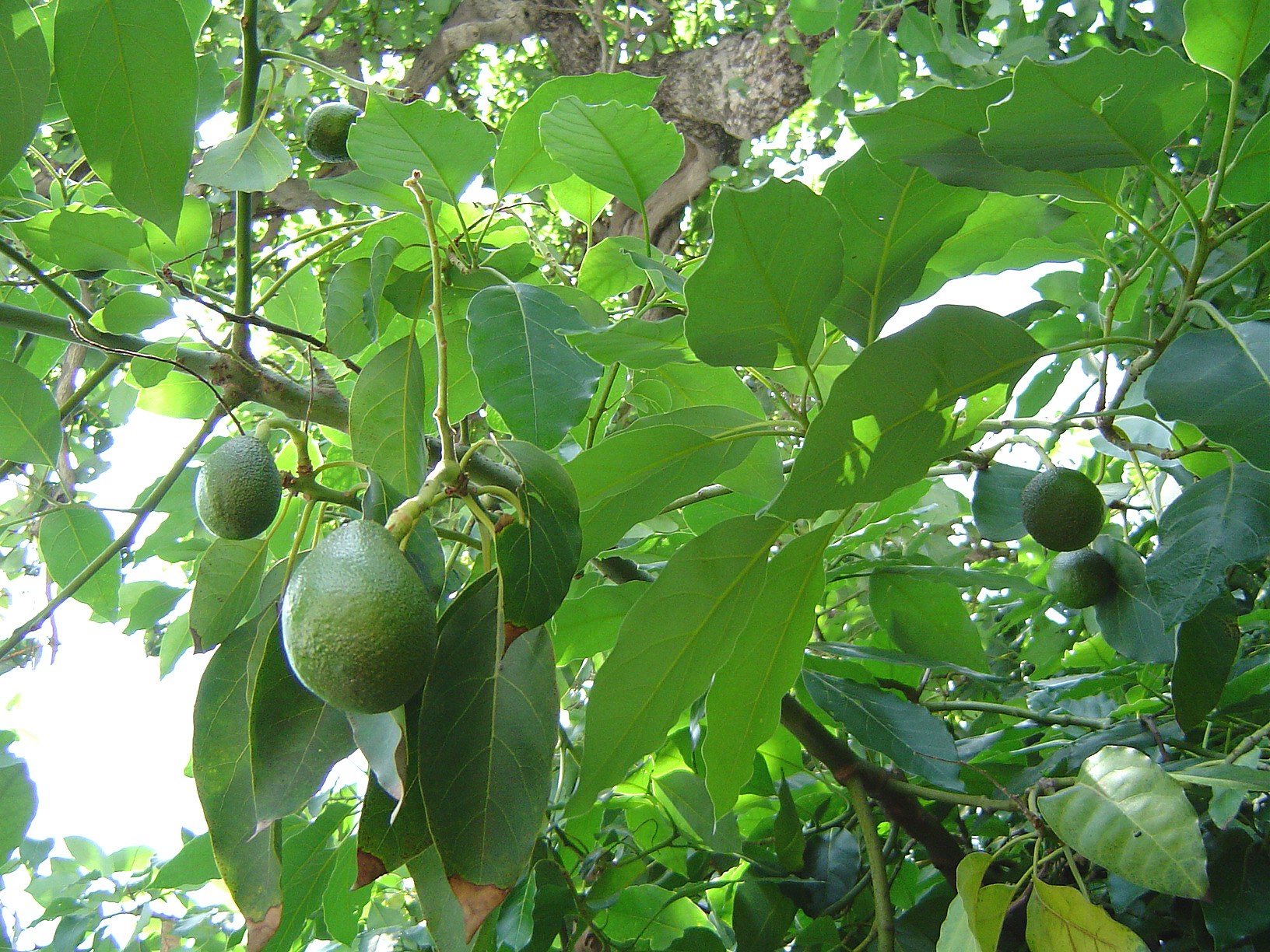
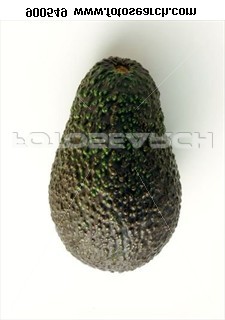
The Avocado has a ‘seedy’ and somewhat unexpected history. While many of us enjoy this delicious fruit in sandwiches and salads, you may be unaware that it has in fact been considered an aphrodisiac for centuries.

This notion probably started way back with the Aztecs, who were the first documented avocado eaters and who called the avocado tree ‘Ahuacatl’ which means testicle tree… something to do with the way the pear shaped fruit sometimes ‘dangle’ from the tree in pairs or perhaps their visual resemblence… i’ll let you decide.

In the 1920’s California growers enhanced the avocados sexy image in an advertising campaign in which they strenuosly denied the avocado was an aphrodisiac. The reverse phychology worked so well that this fabulous fruit has gone on to forge a fantastic career.

At the start ofg the 21st century the California Avocado Commission ran a Valentines Day survey on the Avocado’s libido enhancing properties. Six out of 10 nutritionalists, scientists and psychologists surveyed said they knew of cases where the avocado had improved a persons love life (we’re not sure what they actually did with the avocados…). The survey outcome can, however, be attributed as much to the fact that the fruit is high in nutrients such as fibre, folic acid, potassium, vitamin E and some B vitamins and lecithin as to any alleged properties.

Facts to nibble on –

  • Avocados are sodium  and cholesterol free
  • They contain only monounsaturated fats
  • Avocados were once a luxury food reserved for the tables of royalty, but thankfully we commoners are now able to share in their delights
  • In one year, a single avocado tree can absorb as much carbon as is produced by a car driven 26,000 miles!
  • Latin Americans wrap avocados up and give them as wedding gifts

… More to come about why you should  ‘Swerve from a BIG Serve’  while our waistlines and dinner plates are growing in size and temptation and the huge effects overeating has on your health. Relflux, Acid Indigestion and Heartburn are all things that could you live without if only you knew how. Explanations and Nutritional advice galore.

And finally… Do You Kakadu? Our lovely guest Anna Parker came in to talk about the ‘new’ 40,000 year old indigenous Bush Foods that are a part of the ingredients in this Super Food that is buzzing around town in the belly’s of the lucky ones.

July 19 radio show: tasting the Byron Bay Writers Festival

Today Srs T and B were having such a good time talking with the Director of the Byron Bay Writers Festival and the Northern Rivers Writer Centre, Jeni Caffin, that we ended up spending most of the show with her.  It turns out that the whole staff of the NRWC (about 4 people who work enough for 20) are completely food obsessed – that explains all the great food events at the festival.  And the way they make sure the many volunteers get tasty and healthy food on their shifts.  And Jeni’s 19 year old cat wears a small tea cosy as a hat right through winter – who knew?
The 2010 Festival will include breakfasts lunches and dinners with writers, a cooking workshop with the Red Lantern’s Luke Nguyen, a book launch by popular local food writer Victoria Cosford, and plenty of sessions that touch on food, especially “Eat me: writing food, glorious food” on the Saturday.  Jeni’s advice is  to look out for these authors : Monica Trapaga, Ramona Koval, Luke Nguyen, Victoria Cosford, Juanita Phillips, Joanna Savill and Simon Marnie.
Go to the Festival site for author biographies and details of all the events.
And of course here’s the eggplant tart – a tartless tart, well tested by everyone at the writers centre, guaranteed to work and be delicious.

Jeni's glamorous cat, Perfect Tiger, recommends wearing a stylish tea cosy in winter

EGGPLANT TART


For a round tart made in a dish about 8 inches across and about 2 inches
deep you will need approximately:
3 medium eggplant;
2-3 large brown onions;
a little balsamic vinegar and sugar to taste to caramelise the onions
a large cup of grated parmesan;
herbs to taste, whatever you like, I use basil and parsley
olive oil with crushed garlic in it, to taste
Cut the stem end off and slice the eggplant in 5mm widths lengthways,
discarding the first skin slice on each side. Brush both sides with garlic oil
Put baking paper or alfoil down and grill each side till lightly golden and
transparent
Cook the onions, balsamic and sugar slowly till caramelised. Lightly grease your tin
Lay the eggplant slices, overlapping to fill gaps,
Put caramelised onion, cheese and herbs mixed in between each layer of eggplant
Press down firmly each layer of eggplant. Last layer should be eggplant slices
Bake in moderate oven for 45 mins, allow to cool down to eating temperature
before putting a plate on top and inverting it.

belly 12 July 2010 – tender herbs and starfruit

This was Sister Tess’s first show after a trip to the North and South extremities of Europe, Finland (where they have porridge for lunch) and Sicily (where they have icecream in a bun for breakfast).  More about those two fascinating places soon.  During this show Sisters T and B talked about the wonderful carambola or starfruit, a delicious and beautiful golden fruit that grows well in our area.  And sister T played an interview recorded at the Byron Bay Herb Nursery with Debbie Shortis, the fabulous belly herbologist.  Deb talked about ways to use herbs in mixes. The traditional bouquet garni , woody herbs like thyme, sage, rosemary, bay, tied together so they can be easily removed at the end of cooking.  Herbes fines, or tender herbs like chervil, tarragon, parsley, fennel tops, dill, that are great chopped together and added at the very end of cooking to zest up winter dishes : soups, mashes, casseroles.  And her own invention, an Asian bouquet garni to tie together,add to curries and remove, choosing from kaffir lime leaves, lemongrass, galangal, cinnamon, ginger, curry leaf, coriander root or horseradish root.

These are a couple of recipes that get Deb’s fresh and herbal seal of approval.  The crepe is inspired by one on “The Cook and the Chef” ABC TV show.

HERB CREPE
Serves 4
(To go in any soup)
2 tablespoons flour
2 eggs
3-4 tablespoons milk
Salt and pepper
‘fines herbes’- 1 tablespoon each of parsley, tarragon, chives, chervil and dill frond,
all chopped very finely.
Put flour in a bowl, stir in the eggs and then gradually beat in the milk to make a thin batter. Season, add herbs and let rest for 30 mins. This crepe is about the herbs more than it is about the crepe. The batter is just a boat to carry the herbs upon the soup.
Heat a heavy pan and brush lightly with both a little oil and butter. Add crepe mix and swirl around the pan to form a thin crepe. Cook on very low heat without adding much colour, flip and set aside. Roll the crepe and cut into thin strips.
Place a few strands of crepe ribbon in the bottom of each serving bowl before adding the soup of your choice.

CARROT AND CHERVIL SOUP
50gms butter
275grams chopped carrots
50gms plain flour
1ltre chicken stock
½ cup of chopped chervil
Salt and pepper
Melt butter in saucepan and gently sauté the carrots for 5 mins. Stir in the flour, then stock and seasoning. Bring soup to the boil, cover and simmer gently for 30mins. Allow to cool slightly then purée the soup in a blender. Return to pan add the chervil and gently bring back to the boil. Serve hot or chilled with a swirl of cream or yogurt and a chervil garnish.
(recipe from “ The Complete Book of Herbs” by Lesley Bremness 1990)

For lots more recipes and herb information, go to the Byron Bay Herb Nursery site
www.byronherbs.com.au

FROM THE BELLY LAB : MUSSELS WITH TENDER HERBS by sister T

I made this the night before the interview, inspired by Deb’s enthusiasm for mixing up lots of fresh green things.  I just went around the garden and picked lots of whatever was looking good, parsley and chervil and chives, a little nasturtium and a few mustard leaves.  There was at least a loosely packed cup of chopped greens. I opened the mussels in a big pot with chopped garlic, butter and a glass of wine (one for the pot, one for the cook), and just tossed the herbs in at the end.  Much nicer than plain old parsley moules marinieres.

starfruit photo by Pratheep P S, www.pratheep.com

STAR FRUIT OR CARAMBOLA

The star fruit  has been grown in parts of Asia for hundreds of years— it may have originated in Sri Lanka and Indonesian Moluccas.
They are best consumed when ripe, when they are yellow with a light shade of green. It will also have brown ridges at the five edges and feel firm. An overripe fruit will be yellow with brown spots (so the sources say – we still like them that ripe, obviously minus the brown bits).

The fruit is entirely edible, including the slightly waxy skin. It is sweet yet tart, a complex tropical flavour, and extremely juicy.

Carambola is rich in antioxidants and vitamin C , you may need to be careful of overconsumption if you have liver problems possibly cos of their oxalic acid content.

– To grow : tropical, sub tropical small tree, full sun,water, good drainage, fertilise 3 x year, can propagate by air layering – wrap soil around a branch and wait for roots.  If you grow them from seed they may bear sour fruit.

– To prepare : wash, remove ends and ridges and seeds

– To cook :
fruit salads – the main way you will see starfruit, but there is so much more you can do!  In China and India unripe fruit is used cooked as a veg.
Spicy thai salads (even  rosepetal with chicken and prawn http://thaifood.about.com/od/thaisnacks/r/rosepetalsalad.htm) they introduce a  sweet/sour element.
Juices, drink decoration, cake topping eg pavlova, upside down cake, muffins – substitute in pineapple recipes, the star slices hold their shape if you are a bit gentle.
Salsas with eg cucumber, mint, chilli to put on fish or chicken
Raita – the yogurt side dish, serve with curry, instead of cucumber raita
Pickle whole

5th July – Spice Up Your Life, The Lovely Lilith: Cooking with the Stars – Cancerians, and “Danger! : Cheese on a Roll”

Aloha… this weeks Belly starts with tales of exotic spices from around the globe.

Take a trip from your kitchen to just about anywhere in the world by adding a pinch of this and a pinch of that…

Adding various herbs and spices to your food can literally ‘spice up your life’ by not only tantalising your taste buds but also treating your troubles with very little effort on your behalf. Learning which countries use which particular herbs and spices to create traditional and favorite dishes is a fascinating journey as we travel the globe without having to go any further than the kitchen…

SPICES are the buds, bark, roots, berries and seeds and HERBS are the leaves of plants, so when we use corriander leaf for example, we refer to it as a herb, but when we use corriander seed, we say we are using spice.

Australia’s best known spice man Ian “Herbie” Hemphill has a list of 20 from which he says you can create just about any dish from around the globe. These global essentials can be used in a variety of dishes, so build a spice rack or refill the missing gaps with any or all of the following –

  • CorianderCumin
  • Black Peppercorns
  • Cinnamon and Cassai
  • Cloves
  • Chilli
  • Ginger
  • Cardamon
  • Paprika
  • Star Anaise
  • Tumeric
  • Allspice (a milder version of Cloves)
  • Fennel (seeds)
  • Nutmeg
  • Thyme
  • Oregano
  • Caraway seeds
  • Fenugreek seeds
  • Saffron
  • Vanilla


A short rundown on countries and their spices –

INDIAN

One of the worlds top producers of spice and because of it’s size, the range canvary from chilli heat to aromatics.

Corriander seed, Tumeric, Cinnamon, Cumin, Mustard seed, Fenugreek, Ginger, Pepper, Chilli, Nutmeg, Clove, Cardamon, Tamarind, Saffron.

MORROCAN

The ports of this North African country have been used for centuries as an avenue for spices from across the globe. Think aromatic, slow cooked stews.

Corriander seed, Tumeric, Paprika (sweet), Cumin, Cinnamon, Ginger, Cloves, Black pepper, Chilli, Saffron (Beware fake Saffron which can be passed off by using the stamen of the crocus flower and not it’s stigma. It can also be created by using corn silk or plastic and dyed with the dangerous chemical tartrazine. Test by disolving in water. If the colour runs it is probably not saffron.)

MIDDLE EASTERN

Typified by dry spice mixes such as dukkah, Middle Eastern food is also about marinated meats cooked on a shish. For you meat eaters out there… think lamb skewers.

Paprika, Corriander seed, Sumac, Parsley, Thyme, Cumin, Cassia (from South East Asia and China. Has a stronger, sharper taste than cinnamon) Pomegranates (seed or molasses), Black Pepper, Cloves, Cardamon, Mastic, Mahlab

MALAY/SINGAPORE

Divided by a peninsula, Malays prefer curry powder in coconut milk mixed with lemongrass, galangal, chilli paste and tumeric. The Singaporeans borrow some Maklay ingredients but tend towards Chinese styly spices including pepper.

Corriander (seed and leaf), Fennel seed, Cinnamon and Cassia, Tumeric, Lemongrass, Candlenut, Cumin, Ginger, Pepper, Galangal, Cardamon, Tamarind, Chilli, Star Anaise

THAI

The king of aromatics. This is all about greenery and freshness and the particular predominance of each spice, depending on the dish, with a fresh hit of chilli.

Corriander leaf, Kaffir Lime, Lemongrass, Chilli (red and green), Tumeric, Garlic, Galangal, Cloves, Thai Cardamon (similar to normal cardamon but rounder and almost white)

CHINESE/VIETNAMESE

Similar to India, because if it’s size it is difficult to pin down a typicaldish. It varies from the chilli and Szechuan pepper in the north to cassia and star anaise in the south. For Vietnam, you can’t beat the soup dish Pho for it’s trademark spices.

Star Anaise, Fennel seed, Corriander (leaf and seed), Dill (Vietnam – leaves), Cassia, Ginger, Szechuan pepper, Black pepper, Chilli, Cloves

MEXICAN

Smoky flavours dominate this cuisine because of it’s use of chillies – which are native to Mexico – including ancho, pasilla, mulato and chipotle.

Paprika, Cumin, Corriander (leaf), Oregano, Cinnamon, Chilli, Epazote (hard to find in Australia), Anatto (seeds)

Source: Spice Notes and Recipes, Macmillan (2000), $59.95, by Ian Hemphill. Available from Herbies.com.au

Next, the lovely Lilith swayed in with talk of Cancerians this month in ‘Cooking with the Stars’

LILITH’S COOKING WITH THE STARS

Cancer: Crabs in the kitchen

This month we’re wishing happy birthday to our favourite Cancerian masterchefs like Sydney’s Neil Perry, co-owner of Rockpool, Blue Water Grill and Spice Temple who apparently has a food brand sold under his name, which
you’ll soon be able to check out at locally loathed Woolies.

Cancerians tend to be obsessed with family and food and as chefs they’re strongly influenced by foods they ate as children. Crabs adore home cooked meals, love comfort food and traditional recipes like Mum used to make, and
are quite likely to still have her recipes. Food equals love to Cancers: a well stocked pantry makes them feel secure and a lot of their cooking pleasure comes from nurturing their loved ones and sharing meals with friends.

Cancerian chef Roy Yamaguchi, Hawaii’s first-ever James Beard Award winner, though born and raised in Tokyo, so vividly remembered the fish and lobster cooked fresh from the ocean on childhood visits to his grandparents on Maui, that he grew up to champion Hawaiian regional cuisine and develop his own style of Hawaiian Fusion food combining asian flavors, fresh local seafood, sushi and his signature Hawaiian martini made with, no prize for guessing, pineapple juice.  Sounds dreadful, though the pineapple wine from the Volcano Winery on the Big Island’s quite nice ­ the Hawaiians call it a party in the mouth. There are now 32 Roy’s restaurants in the U.S., Hawaii, Japan and Guam.

In traditional astrology Cancer’s ruled by the Moon, and they do seem to favor pale pearly foods: rice, potato, dairy and mayonnaise.  They also seriously appreciate their cheeses and are probably responsible for the
kids story about the Moon being made of cheese – which does contain the cell salt Calcium fluoride which helps soothe their sensitive digestions. But as you can imagine when comfort food marries dairy and produces
bechamels, creamy sauces, fondue and cheesecake we’re talking serious kilojoules ­ though its probably not worth your friendship to mention the Cancerian swear word, cholesterol… a major component of the splendidly rich, politically incorrect dishes of the popular British cooking series the Two Fat Ladies, famous for zooming round the countryside with their ample personages squeezed into a motorbike and sidecar – the Canceria half of this excessive pair was Clarissa Dickson-Wright, or to give her herfull title Clarissa Theresa Philomena Aileen Mary Josephine Agnes Elsie Trilby Louise Esmerelda Dickson-Wright.

Speaking of excess and politically incorrect Cancerian superchefs, my favorite is gonzo cowboy of the American food scene Anthony Bourdain, author of notorious best seller Kitchen Confidential: Adventures in the Culinary Underbelly, which he followed up with A Cook’s Tour recounting his bizarre taste travels, written in conjunction with his award winning tv series of culinary adventures: No Reservations.  After his third book The Nasty Bits, his fourth and latest, which came out this year, is Medium Raw: A Bloody Valentine to the World of Food and the People Who Cook.

Bourdain’s the Hunter Thompson of food journalism, a 30-year veteran of professional kitchens and a personal life that reads like a cocktail of cocaine, cannabis, methaqualone, LSD, secobarbital, tuinal, amphetamine, codeine, heroin and honey-soaked psilocybin mushrooms used to sweeten tea ­ naturally we’re not recommending you try this at home kiddies.  Infamous for his sarcastic comments about vegans, vegetarians and fellow chefs ­ Anthonycalled Californian restauranter Alice Waters “Pol Pot in a muumuu” and made playing Billy Joel or Abba in his kitchen grounds for instant dismissal.

Why is he so popular?  Because he’s outrageous, funny and fearless – a great advocate of using all parts of an animal once its killed, and champion of the quality and deliciousness of street food in developing countries as compared to American fast food chains. Though he’s eaten sheep testicles in Morocco, ant  eggs in Mexico, raw seal eyeballs with Inuit eskimos and a whole cobra in Vietnam, Bourdain still maintains the most disgusting thing he ever ate was a Chicken McNugget.

Did someone say chicken mcnugget?... Ggggrrrrr lemme at em!

Being the cardinal water sign Cancerians chefs often specialize in seafood, like the only female chef in France to hold three Michelin stars Cancerian Anne-Sophie Pic, one of whose signature dishes is sea bass steamed over
wakame kelp, served with oyster bonbons, cucumber chutney and vodka and lemon butter sauce ­ how good does that sound?

If you’re DIYing the sumptuous sea feast at home, it might be easier to try a creamy lobster bisque, caviar-topped oysters, scallops in champagne, a truffled lobster or salmon steamed in seaweed with a home made, lemon
myrtle-infused olive oil and egg mayo.  Or a slithery seductive manicotti stuffed with a trio of cheeses – ricotta, mozzarella and parmesan.

by Lilith

…and we finished with a giggle at what some people classify as a game –  “Danger: Cheese on a Roll”… and we’re not talking bread!

This is the amusing yet serious story of a bunch of enthusiasts that find running down an extremely steep hill after a round block of cheese travelling at around 100 miles per hour…… fun. I think the picture says it all. If you are interested in more you can google Coopers Hill Cheese Rolling and have a giggle.

We also gave you a delicious recipe for a Ginger and Dark Treacle Steamed Pudding…
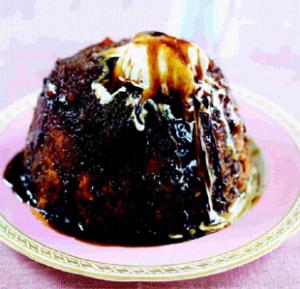
ooooh, please excuse me while i drool a little… this recipe is on it’s way i promise, i’m just giving you enough time to work up a real appetite!

sister Rasela