Monthly Archives: January 2011

“Voices of Locals” and a paddle up the Root Canal.

Talofa! Sister Rasela here to paddle you through another tasty Belly show just in case you missed it the first time round, floatin over the airwaves, across this stunning Shire of ours.

If you’re here because something you heard on the show left a rumble in your Belly, even better!! It’s good to ignite the hunger pangs of wonder. Have you ever stopped to wonder… what am i really eating? Take control of your own life, your own body, your own thoughts, your own FOOD.

I’ve started to notice the otherwise unnoticeable since applying what i learned in Nutrition into my own life. The unmasking, the fog that clears, the clarity that  appears. The balance that grounds me now. I wouldn’t be able to preach what i didn’t truly and wholeheartedly believe if i had not made myself the study and begin to listen to my body, starting to eat more of what is grown on the land around me and living as close to ONE with NATURE as possible while keeping the balance in all of life’s enjoyments.

It’s been great to get to the point of so adamantly believing that the crap that most nutritionally defunct processed food is laiden with, is not only addictive but also hugely mind altering. This causes a rather large majority of people to act and react in ways they may not naturally.  What makes it ok to be the equivalent of ‘spiked’ by the local supermarket?

Stick to the FABULOUS FARMERS MARKETS around the Shire where your food is spiked with nothing but LOVE… what would you rather put into your magnificent body? Help it out, a little or alot. Whatever you can manage at the time. Just try to make it more GOOD that bad.

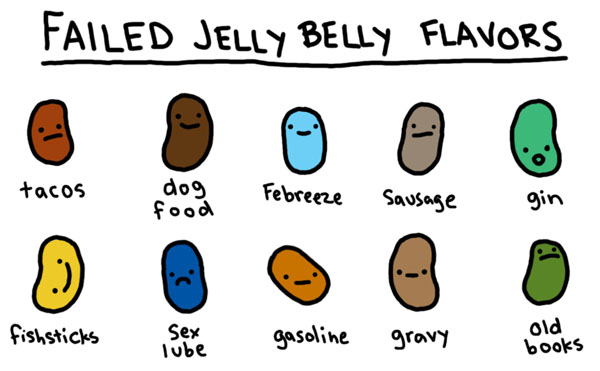
I reckon the Belly Sisters should bring out some new BELLY BEANS!!


I started the show today with the sounds of Mullum meandering in the rural regalness of the Friday farmers markets.  I strolled around asking the question – If you only had $10 to spend on food all day, what would you buy?

I asked this partly because i’m currently trying to stick to spending no more than $10 a day on food having listened to stories like  “SUPERMARKET SHELVES ARE BARE” following the devastating floods in Queensland recently, I asked myself the question… How much do you really NEED to survive? The answer is actually not that much if you’re not addicted to anything.

It really makes you STOP and think about what you’re going to eat for the day. Start by asking… Am i really hungry? To wait until you are actually hungry and to know that this is your one good meal of the day makes it taste soooo much better. Plus, your mouth waters for a reason… it is the FIRST STAGE of DIGESTION as your body starts preparing to accept food. A meal is truly satisfying if you choose the things your body naturally craves. To know what these things are means to listen to it, not overrule it.

I’d love to discover a way of posting recorded interviews such as this one which is just so refreshing to hear. Mullum market has such a beautiful feel to it as the majority of folk wander, half smiling in the knowledge that we are living a truly blessed life up here in Paradise Shire. Such an abundance of fresh foods served to you by the very hands that prepare, grow, produce and sell the goodies.  The idea wasn’t to find out exactly what foods people chose, but to make people stop and think about how much they are spending or over spending.

Thanks to everyone at the market that participated. It was lovely to meet new people and spread the LOVE across the Shire.

You also missed out on the next interview which was set at the opening of a Raw Food outlet in town almost a year ago now. We were spoiled raw rotten with all the equisite delights and i mingled with an interesting crowd and came across Sharon who i first approached earlier in the night because she had something lovely about. I had asked if she would be interested in telling me her story. She insisted that it was all about her son and that he was the more knowledgeable one and suggested i ask him. He is a beautiful boy glowing with health and gentle in nature but not too keen on speaking his inner feelings into a microphone. It’s confronting to alot of people and i understand that but later in the evening Sharon came back to me and happily informed me that she was now ready to have a chat. We found a bench outside and with passionate spanish guitar acoustics reverberating around us, Sharon shared her story about starting out on a Raw Food diet.

The most endearing thing about this interview is that after 50 odd years of living one way, Sharon is now experimenting in a world that is providing her with so much more energy and balance in her life. It’s great to hear her so excited about the changes she is making and bringing into others lives. Sharon was sure to point out that she is not 100% raw, at which point we agreed that changing one thing at a time and taking it slow is a far easier and more sustainable way of doing things.

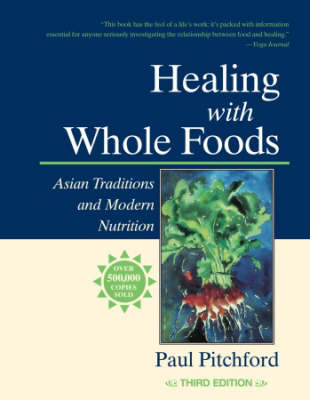
I finished this show with some information on Root Canal Treatment and how it affects your health. I shall return at a later date with that information but if you get tired of waiting then check out the book (my bible) HEALING WITH WHOLE FOODS By Paul Pitchford. Asian Traditions and Modern Nutrition.

The book that changes my life.


“This book has the feel of a life’s work: it’s packed with information essential for anyone seriously investigating the relationship between food and healing” – Yoga Journal

Healing with Whole Foods brings together authentic traditions of Asian medicine with current Western research on health and nutrition to create the most detailed sourcebook available on planning and preparing an optimal diet. I highly recommend it as did all of my nutrition tutors at college.

Well, that’s my lot for now. I’ll be bcak on Belly on Monday 28th Feb where i will have more tummy rumbling rambles for you to devour.

Be GOOD to your Belly’s and don’t panic – if it’s ORGANIC!!

Sista R

on air 24.1.11 : good food on a small boat and tasty ugly fruit

The bellysisters are happy members of the great sisterhood of substantial second helpings, and hopefully so are all our lovely listeners, people who love cooking eating and talking about good food.  On belly today, a story about food prices, and more food news at the end of the show.  But mostly I was talking with Brigitte Hendrix, a regular belly listener who loves to experiment with recipes, from the homey to molecular gastronomy, and who has lived and cooked and eaten from Mullumbimby to Umbria, and even on the high seas.

FOOD PRICES, or UGLY IS GOOD

It’s time to buy ugly food dear bellysisters!  Or discover local markets and independent shops.

We’ve all heard that the Queensland floods  will affect food prices.  At the height of the floods, when the Brisbane central market was closed because it was underwater, a friend of mine witnessed  ‘supermarket rage’ as some shoppers didn’t understand why prices had gone up and were abusing staff.
However, the Fairfax papers report that  “much of the produce from Queensland had already been picked and packed when the floods hit and the season there was drawing to its end. Fruit markets [are] more dependent on produce from Victoria, South Australia and Tasmania at this time of year. ..The price rises will be due to wet weather down south rather than what is happening up north…Vegetables such as beans, broccoli, and celery might rise in price because of heavy rains in Victoria”
Some Queensland crops such as watermelons and tomatoes have been destroyed, leading to large price rises in produce from other parts of Australia,  but  ”It’s the long-term story from Queensland that’s the issue. The early autumn crops need to be put in the ground now.”  Queensland traditionally supplies most of our autumn and winter fruit and veg.  The floods have also removed topsoil in some areas, decreasing productivity.  So expect price rises right now and for a while to come.  In a front page update today, the smherald reports increases in watermelons,sweet potatoes,broccoli, zucchini,bananas, capsicum, tomatoes, mangoes and lettuces.  Forecast shortages include lettuces, potatoes,chillies, corn and cabbage.  So if you have a veggy patch, or room for a few pots, it may be a good year to grow a few of those things yourself.  Lettuces, chillies, sweet potatoes and tomatoes are all very easy to grow at home in our climate, even if you don’t have much space.   At times local produce is more expensive than food trucked in from other parts of Australia, and this year the bad weather has caused shortages and price rises here too.  But mostly market growers, and shops that stock a lot of local items, keep the prices of local produce pretty steady.   So it may be a good idea to support them year round.

If you do shop at supermarkets, buy ugly fruit and veg!  Coles has started stocking blemished fruit, and Woolworths is considering it too, but is afraid of customer reactions.  So tell them to bring it on!  The alternative to ugly Australian fruit and veg this year is perfect looking imported produce, which the big chains are considering in order to keep those overflowing bins full.

A DELICIOUS LISTENER – BRIGITTE HENDRIX

Brigitte now lives in Mullumbimby, but grew up in Victoria, the daughter of a Dutch mother and German pastry maker father, who used to let her help out at the factory on weekends and go delivering pastries with him to a network of traditional German and European restaurants.  She got bored with Melbourne as a young woman and went off to Asia and Europe.  She spent quite a lot of her travelling years eating and cooking, including a stint as the on board cook on a beautiful old wooden tugboat.  The owners wandered the shores of the Mediterranean, especially Corsica and the South of France, and she remembers fondly the smells of the boat and discovering many wonderful food markets.  She believes most people love having simple food cooked for them, where you can still taste the original ingredients.
At the same time, she loves playing with food a’ la Heston Blumenthal, fun and theatre and lots of kitchen gadgets.  We had a little rave about gorgeous local natives, the finger limes, which are a molecular gastronomy experiment by mother nature.  She has lots of creative ideas from her travels and would love to get together with others locally to set up a different kind of space or catering company.

Brigitte developed this recipe to share on belly, because, as we’ve been saying, there is a lot of fruit around that either doesn’t look great or goes off quickly.

NOT SO FRESH BUT SUPER TASTY FRUIT JELLY


Take any stone fruit, e.g.; cherries, peaches,  nectarines, lychees.  And/or other
fruits you might have such as  pineapple, apples, grapes, anything that
is wrinkly or not so tasty or just needs to be used  rather than thrown out.
More or less a kilo of fruit.

Roughly chunky chop everything (minus seeds) and place in  a heavy
pot.

Add one star anise ,cinnamon quill,anything else you like.
Add one cup juice {whatever you have} I like cherry.
Add half a cup brown sugar. Stir .
Bring to boil; spoon out half cup of juice and place in cup with  *2
sheets of gelatine till syrupy.
Then place back in pot and STIR .
I also like to add a dessert spoon of ghee this makes it glossy and
creamy. STIR till a lovely glossy rich thick consistency.
Pour into serving dish, allow to cool, place in fridge.
Serve when cold and firm.

*I’ve always had a problem with using gelatine and have now found
the one my mum uses (Rheingold schnell-losliche), so far it works
beautifully for me.

A FEW FAVOURITE THINGS

My favourite cookbook is Good Housekeeping (Step by step cookbook).
I got this book in 1993 and it has absolutely every recipe known in the
West. It’s so easy and everything works.  It has taught me the basic ground
rules and from that I’m able to experiment and elaborate.

My favourite food is kangaroo meat which is a beautiful lean healthy
clean meat; hazelnut ice-cream dreamy.  Healthy, top quality chocolate, nothing
more necessary; coffee yoghurt; great cleanser, and Italian cheese cake, decadent  and rare to find a good one  . My mouth’s watering.  And my favourite drink is Coopers vintage stout (no longer available).  Real milk (Dutch) and iced fresh mint mineral water with finger limes and Stevia.

Brigitte

THE BELLY BULLETIN

Fairfax papers have launched an investigation into rorts and fraud by the buyers for Coles and Woolworths supermarkets, which control 70% of the grocery market.
Bill Harvey, Woolworths’ national buyer for coffee, tea and sugar, was detained by police on Friday.  Food wholesalers pay so called ”promotional surcharges” of between 15 and 20 per cent to have their products stocked by Woolworths.
A big pot of money, which leads to temptations. It is alleged that Mr Harvey, who has a salary of about $150,000 a year, took a percentage of the promotional fees from coffee and tea suppliers who wanted to get their products on to Woolworths shelves.  In cash.  Possibly in little brown envelopes.
In similar cases, in October last year Woolworths dismissed three buyers from its fresh produce department after a tip-off that it was paying up to $20 per box too much for parsnips. Of all things.  And in 2006 Coles sacked an executive for a secret deal over lamb supplies.  The supermarkets and the sacked execs in these 2 cases deny allegations of criminal intent.  According to the blog www.insideretailing.com.au, Woolworths also had to bring criminal charges over 2 meat buyers a few years ago.
More tipoffs are welcome, to mhawthorne@theage.com.au

Another pest to watch out for is ‘Myrtle rust’.  According to the NSW department of Primary Industries Myrtle Rust  is a newly described fungus.  It affects a lot of locally grown plants and has recently been spotted in wholesale nurseries in Byron Bay and Alstonville according to the ABC, also from the NSW Central Coast to Queensland.  It affects, among others, a lot of lovely native food plants, like lemon myrtle, aniseed myrtle, native guava, rose apple and riberry, so the public is asked to inspect and report any infestation, as it may also spread into the bush.
Myrtle Rust is distinctive, as it produces masses of powdery bright yellow or orange-yellow spores on infected plant parts. It causes lesions on young actively growing leaves, shoots, flower buds and fruits. Leaves may become buckled or twisted or die.  Infection on highly susceptible plants may result in plant death.  More info, photos and how to deal with suspect plants, here.

Still on plants, if your chilli bushes, like mine, are either refusing to fruit, or the chillies are going from ripe to rotten in record time, spare a thought for the chilli addicts of Indonesia.  Chili prices have multiplied fivefold in Indonesia over the past year to around Rp 100,000 ($11) a kilogram, making it more expensive than beef.  Many people there cannot give up a chilli sambal and are cutting back on other food instead.  Chilli production has fallen because of excessive rains and the volcanic eruptions of Mount Merapi.  As a short-term solution to the chilli prices, Agriculture Minister Suswono said he was preparing a national campaign to encourage people to plant chilies. He said free seeds would be distributed to 100,000 households.  The government is also  moving to introduce new regulation making it easier to secure land for agriculture.  One comment to the story, from “Mamaku” complained of the large “amount of farm lands changing into real estates, malls or state highways.”  Sound familiar?

Some good news now.  The fishing season for Southern bluefin tuna in the great Australian Bight has just started.  Fishing crews are reporting massive increases in fish numbers, possibly as a result of quotas  imposed in the 1980s by the main fishing nations Australia, Japan and New Zealand.  Southern bluefin tuna is listed as a critically endangered species, and not recommended as a sustainable fish choice, but maybe there is hope that populations are recovering.  Fishermen out of Port Lincoln in South Australia report numbers not seen in 25 years, and a good range of sizes and ages.  So the fiftieth tuna festival in Port Lincoln should be a happy event.  It’s on right now until January 26.  The centerpiece is a tuna tossing competition, which now involves a fake fish so as not to waste tuna.  And for the kids, a prawn tossing comp.  The world record toss of 37.23 metres was set in 1998.

And finally,the Australian Bureau of Statistics says that we are drinking less beer.  At the start of the 1960s, beer made up more than 75% of all the  alcohol we consumed.  Now beer is at 44 per cent.  Wine consumption has tripled to 36 per cent and spirit has almost doubled to 20 per cent over that time.
Australia’s peak per capita alcohol consumption was in the mid-1970s.  We drank an average of 13 litres of pure alcohol  per person per year.  That dropped to under 10 litres in the mid-1990s, but has since risen to nearly 10.5 litres, or 2.3 standard drinks, per person per day.  But the ABS admits that it overestimates consumption, because alcohol used in cooking, and waste are also included.  Which is a relief.

The belly bulletin today was sourced from ABC online, Fairfax papers, the Jakarta Globe and belly informers in your community and online, and brought to you by sister T.


EDIBLE QUOTE

Baron Lamington: “Those bloody poofy woolly biscuits”- Baron Lamington was governor of Queensland in the late 1800s when government house cooks, to feed unexpected guests, improvised by rolling stale cake in icing & coconut.  He obviously did not appreciate his name being linked to them – you never know what you will be remembered by, but it could be worse than a sweet that brought so many smiles, and dollars to charities all over Oz.

MUSIC

Claude Hay, Get me some, from  “Get me some”

Kate Rowe, Coffee my Lover, from Nature’s Little Game

Jazzerati, Cafe le Bop, from Live at Pix records

Mo Horizons, Pa Ma Estrada

Kristi Stassinopolou, Waves, from Nu Europe

love, chocolate cake and ugly fruit,

sister T

on air 17.1.11 : kids in the belly kitchen

Total takeover of belly today by the juniors : Audrey (6), Luca (9), Zoe (10), Abbie (11) and Jordan (12).  All fabulous cooks, with talented mothers and teachers Adele Wessell from Southern Cross University and Melanie Le Sueur from Bangalow Public School.  Eight of us in the not so very huge bayfm studio!

They were all involved one way or another with the TV program Junior Masterchef last year.

Audrey and Luca ready for the great pasta challenge

ADELE WESSELL is a lecturer at Southern Cross University in Lismore.  She teaches history but is also a food scholar, and the mother of Audrey and Luca.  She helped organise some fellow food scholars under the loose umbrella of the Masterchef TV program at the national conference of the Australasian cultural Studies Association, held in Byron Bay last December.

Adele presented a paper on the children’s version of Masterchef, which aired last year for the first time and was very successful with both kids and adults.  One of the reasons she did a study on it was to allow her to spend more time with Audrey and Luca, who love to get into the kitchen.  Out of the 5 kids in the studio, Luca is the only one who admitted he’d like a career in food, maybe with his own cafe.  He is handy with a kitchen blowtorch (essential for creme brulee these days), and also loves making potato gratin.  Audrey at 6 years old has her own knife and loves to “plate up”, and according to Adele will even eat more veg if she gets to arrange them.  Plating up, both the expression and the activity, is definitely a new favourite of Australian kids.

We touched on a few of the issues that Adele identified in her study:

* anxieties over exposing the kids to competition (which our little sample said they enjoy).
* anxieties over healthy food and obesity, which were not a focus of the adult program but were often brought up as essential in teaching kids to cook.  The adult programme was simply focused on the sheer pleasure of cooking.
* current entertainment trends focused on activities that may have been regarded as work, and the way this brings young people back into  domestic activities, allowing play and necessary household work to happen at the same time, and family members to spend time together.
* judging from ingredient sales, people were actually learning and doing the recipes on the show (although I suspect there are a lot of jars and bottles languishing in pantries as a result of MC).
* the cooking was sometimes seen as to complex, and the series cookbook contained much simpler recipes
* although the adult cooking competitors cried ALL THE TIME, the kids were supposed to be not just talented cooks from the start, but willing to take criticism and not prone to tears

Then it was time for a quick musical chairs moment, and Jordan, Abbie and Zoe,  3 of the 12 local kids  invited to a masterclass on Junior MC, and their teacher MELANIE LE SUEUR, shared their experiences.
Bangalow Public School was invited to participate because of the years of cooking and veggie patch programs that the school has put on.  Belly regular Leah Roland, who runs the Bangalow Cooking School, and Michael Malloy, who runs everything else in Byron Bay and Bangalow, have put endless volunteer hours into Kids in the Kitchen and other programs.  Many of the students now regularly cook for their families and friends.
Melanie is the mother of 2 kids at the school, has taught there for 5 years, and helped co-ordinate cooking classes at the school last year.  She went to Sydney with the kids for the shooting and witnessed all the drama.  The show producers actually tried to change the format and cancel the trip after they had all bought tickets, but Leah managed to convince them that they really didn’t want 12 very disappointed kids on their doorstep.  I think a group of diminutive picketers, beating whisks against bowls, shouting : ” Whaddowewant?  To learn to cook!  Whendowewannt? Now!” would have been fun on the news though.
Jordan can cook lots of tricky dishes but is a fan of the granita ice dessert, you will find a whole post on granita on the belly site, because the bellysisters agree it is a wonderful thing.  Abbie loved the Clafoutis that they made,and the school now has its own version (below).  Zoe learned to peel and beautifully dice tomatoes on MC, but seems more excited about having  played football (soccer) with George, one of the presenters.  And everyone agrees the time one of the kids forgot about her lapel mike, and whispered “You can see George’s bum crack” was a highlight.

The episode took 9 hours of shooting, with breaks mandatory to rest and feed the kids every 30 minutes.  They had fun, and learned a lot, although both Adele and Melanie regret that no washing up is shown or taught on the show.  That’s the price a lot of parents with young cooks pay – a LOT of washing up!

Thank you to Melanie and Bangalow Public School for sharing the recipes below.
If your school or group is doing something interesting with junior cooks, the bellysisters would love you to come on the show, or we may be able to come to you, or record something for us to play.
Thank you to Audrey, Zoe, Abbie, Luca and Jordan, who shared their stories and were such media pros in the bayfm studio.

Sister T (feeling much better about the Australian baby boom now)

PEACH OR NECTARINE CLAFOUTIS

You can use any many different types of fruit, depends on the season.
Peach nectarines, plums, rasperries, blueberries, boysenberries and cherries all work well!
Clafoutis all year round.

INGREDIENTS
600gm of fruit
If using peaches and nectarines cut into wedges
A little butter for greasing the baking dish
For the batter
250 gm Self Raising flour
250 gm of sugar
500ml milk
6 eggs

UTENSILS
2 large ceramic baking trays or quiche flan, whisk, spatula, mixing bowl,

METHOD

Turn oven onto 180degrees Celsius.
If using peaches and nectarines destine and cut into thin wedges. If the fruit is a little hard you might like to poach them in water and sugar beforehand.
Grease your baking tray.
Mix the batter to a thick consistency with a whisk.
Arrange fruit in the baking tray and pour batter on top.
Bake in oven for 30- 40minutes until brown on top
Serve with ice-cream or yummy lemon myrtle yoghurt (lemon myrtle is a lemon scented eucalyptus native to the North coast of NSW)

To make lemon Myrtle yoghurt :

 Mix together 500g yoghurt, 1tsp ground lemon myrtle and add honey to taste.

FRUIT GALETTE

Ingredients
4 sheets Puff pastry
1kg fruit such as peaches, nectarines, pears or apples.
½ – ¾  soft cup brown sugar
Cinnamon (optional)
50ml milk and 1 egg (mix to make an egg wash)

UTENSILS
Flat baking tray, knife, chopping board, baking paper, bowls pastry brush.

METHOD
Check oven is on 180 degrees Celsius
De-stone peaches (or de-core apples pears etc) Thinly slice your fruit place in bowl and mix with sugar and cinnamon.
Cut puff pastry into long rectangles about 5-7 cm wide brush with milk and egg wash
Place fruit in a fan layered way  on top of pastry.
Bake in a preheated oven for 25-35 minutes until pastry has puffed up and is browned

SALSA VERDE


INGREDIENTS
2 cups herbs – basil, parsley, mint or coriander or a combinations
4 garlic cloves
½ cup capers
100-150mls olive oil
20mls red wine vinegar
6 anchovies fillets and 1 gherkin (optional)

UTENSILS
Salad bowl, blender/food processor, Mortar and pestle or garlic crusher, spatula

METHOD
Pick leaves off herbs and place into food processor.
Add chopped garlic and gherkins, anchovies and capers and vinegar.
Lightly blend until chopped coarsely then drizzle in olive oil until you reach a chunky paste like consistency.
Place in a bowl and drizzle oil on top or cover with cling film to stop from browning.
Use on your favourite pasta or grilled vegetable meat or fish.

The whole episode with the Bangalow students is available online, and is well worth watching.

And these are a couple of articles about the school

http://www.masterchef.com.au/9654.htm

http://travel.ninemsn.com.au/holidaytype/kidsfamily/8169203/cooking-classes-for-mini-master-chefs

http://www.heartbeat.net.au/?p=131_bangalow_masterchef

Adele Wessell has a number of articles on food online, do a search or just have a look here

MUSIC

Beady Belle – Goldilocks, from ‘Ladies in Nu-Jazz’

Dropwise Dubs, Yes Please, from Bass Bucket

Herbie Hancock, Watermelon Man instrumental, from ‘Watermelon man the ultimate Hancock!’

TM Juke – Playground Games, from Nu jazz anthology

Stacey Kent and Jan Lundgren trio, Street of Dreams, from Nu Jazz anthology

Oka, Pandanus, from LMR 4ZZZ, The Dreaming 2010

on air January 10 – Toorak to Rome, Lilith to Elvis, with campfire cherries

The wonderful Lilith was  in the studio today for our last episode of ‘Cooking with the Stars’.  Today’s episode is for Capricorns and those who love them and everyone who would like to hear about some of Lilith’s own adventures – the stuff of legend.  And a whole lot of famous Capricorn chefs, even a recipe today.  In the second half of belly I played an interview recorded in December at the 2010 National conference of the Australasian Cultural Studies Association. Sounds serious and it was, even though I went to hear a couple of panels all about Masterchef. Lots of learned scholars discussing food issues in a thoroughly enjoyable way, including Liv Hamilton from Macquarie Uni in Sydney. She is looking at how politics and unease about migrants in Italy is reflected in battles over what kids should be eating in Italian schools.  The dark side of the Mediterranean diet!
And lots of Elvis, straight from the great Parkes Elvis Festival.  Or so  he told me, and you don’t argue with the King (aah-hu!).  Of course you don’t need a reason to play Elvis, but Liv was just back from a road trip that included all the sequins and karaoke of Parkes, so… Liv adds that she was camping with 4 foodies and “best dessert of the trip was marshmallow fondue with cherries, made in our little skillet on the gas burner. And of course we took our coffee pot, for fresh coffee every morning.”  I do that too, the Italian caffettiera works well on a barbie.
Although I was a bit rude about the cherry fondue on air (well we can’t ALL like marshmallows), I might see if I can get Liv to share the recipe for you marshmallow lovers.
Liv is from a part Italian background, but is vegetarian and gluten intolerant, which helped lead her to some places and people well away from tourist postcard versions of Italy.  During our interview, she discussed some aspects of her doctoral thesis, which “examines the ways in which immigrants and minorities in the city of Rome construct their identities in place, making claims to belong in a city in which they are often conceived as outsiders.”  We talked about the outrage in some sections of the community and the press when Rome tried to bring in ‘ethnic’ menus in schools, as a way of learning about the major immigrant groups in the city.  Now the government and the policy have changed, and Liv writes :

“Authorities encourage children to eat a ‘Mediterranean’ (Italian) diet through provisions in school canteens. 2010 is the first year that a national policy on school canteen food has been released (previously this had been managed at the local level).  This policy  requires  school canteens to use fresh, local products and recipes, and does not allow  individual schools to introduce ‘ethnic’ menus.

Children of immigrants are described (in this same document) as being at high risk of obesity due to attempts to maintain the family’s traditional diet at the same time as eating an Italian diet (thus causing ‘excess’), while their families’ low incomes lead to consumption of high-fat foods (something common to all children of low socio-economic background, but in this document specifically attributed to children of immigrants – with no statistical data provided on how many of these families earn low incomes).

Essentially, the assumption is that the Mediterranean diet is the healthier choice and
children should be encouraged to adopt it even at home, with the food provided at school seen as an educational tool and a way to promote ‘integration’.”

We also talked about how some Italian towns (eg Lucca in Tuscany) are trying to ban non-Italian restaurants from historic centres, so as not to detract from their Italian-ness.  And most importantly, if you happen to need a break from Italian food in Rome, Liv recommends “Il Guru delle Spezie” – the guru of spice Indian restaurant.

Sister T

LILITH IS COOKING WITH THE STARS : CAPRICORN

Today we belatedly wish happy birthday to all our hardworking, ambitious Capricorns, those Goats who can digest almost anything if they have to, but
are usually choosy about their food, preferring it simple, unfussy, elegant, classy and classic. Their tastes tend towards the best restaurants, traditional linen and silver, top quality ingredients impeccably prepared and served,  so of course many respected chefs are Capricorns – in Japan, which now has more Michelin stars than any nation, their two most famous TV chefs, Chen Kenichi and Rokusaburo Michiba are both Capricorns.
The traditional dishes Capricorns tend to favour are often rich: steak and kidney pie enriched with truffles and field mushrooms, or Chateubriand followed by tarte tatin, port and a fine fromage.

Like chef ALAIN CHAPEL, supposedly a pioneer of nouvelle cuisine, whose signature dishes included stuffed calves’ ears with fried parsley, truffle-stuffed chicken in a pork bladder cooked in a rich broth and gateau de foies blonds, a mousse of pureed chicken livers and beef marrow served in a lobster cream sauce ­ one Capricorn’s version of nouvelle cuisine.

Capricorn chef KEITH FLOYD‘s wine-fuelled TV presentations endeared him to millions of viewers in 40 countries because when things went wrong he just threw them in the bin and carried on. Floyd’s last meal was oysters and partridge with champagne.

But they’re a loveable combination of the earthy and the posh – for all their posh preferences, they’re a down to earth sign with cold systems that love slow-cooked hot food and solid hearty nosh: roasted game, dark fruits and rich wines, and it was Capricorn ELIZABETH DAVID, pre-eminent cookery writer of the mid 20th century, who brought regional and rural Mediterranean
cooking to Brits worn down by post-war rationing and dull food at a time when Meditteranean ingredients were mostly unavailable and olive oil only obtainable from pharmacies.
Liz took off early adventuring round the Meditteranean on a boat with her married lover, hung out in the Greek islands with famous writers and lived with various boyfriends in Crete, Alexandria and Cairo.  She pioneered the modern writing style of describing
food in its context and historical background with anecdotal asides.

Capricorn chefs love roasted or baked recipes that take hours to prepare because cooking’s their therapy that helps them unwind and release those pent-up emotions at the chopping board.

Capricorn chef BERNARD LOISEAU‘s discerning palate, fanatic attention to detail and frenetic work ethic won him the coveted 3 Michelin stars along with the highest possible honours awarded by the French government, but after the Gault Millau guide downgraded his restaurant from 19/20 to 17/20 Loiseau shot himself ­ a cautionary tale of how some Capricorns can take themselves way too seriously.

Unlike my favorite domestic goddess, kitchen queen and food porn star the Honorable NIGELLA LAWSON, who won a thousand pound bet by eating 30 pickled eggs in ten minutes.  She went into labour with her daughter while eating a
slice of pizza and hanging onto a bookshelf in agony, but when her sister kindly tried to relieve her of the pizza she snarled don’t touch my food.  Channeling Miss Piggy with her lush descriptions of the joys of comfort food, the divine Miss Nigella says: “When I see a picture of someone who’s hugely fat I don’t think how hideous, I think how delicious it must have been to get there.”

And lastly, my friend and personal favorite Capricorn chef, Australia’s godfather of cooking TONY BILSON.  We shared a house when he left home in Colac Victoria and moved in with his Larousse cookbook under his arm to a Toorak Rd mansion full of people off their faces on experimental substances.  Through all the madness Bilson just kept turning out beautiful French food on one of those Aussie Early Kooka gas stoves, which we in no way appreciated and were usually too wasted to taste.  I did stints in the kitchen at several of his restaurants (Albion, Tony’s Bon Gout, Berowra Waters) just because they were the most happening places to be, because Tony’s genius was for orchestrating the marriage of food and people – the Bon Gout was the place to eat during the Whitlam years, and at Kinsela’s he brought restaurant and theatre worlds together in the throbbing hub of Oxford Street.
Typically Tony talks in terms of ‘the experience’, because for him the art of cooking is turning food into a celebration of being alive.  And with trademark Capricorn earthiness he says : “It’s a fabulous craft to be involved in, so ephemeral. A great dish today, shit tomorrow.”

One of the recipes he cooked at Toorak Rd in the Sixties:

MOHR IM HEMD (MOOR IN HIS NIGHTSHIRT)

for 6:

Ingredients:

100 g (4 oz) butter
100 g sugar
100 g plain grated chocolate
100 g ground almonds
6 eggs, separated
5 ml (1 tsp) coffee essence [not seen in shops since the 60s, so we think a strong sweetened espresso would work – careful not to add too much liquid]

Sauce: 175 g (6 oz) plain chocolate
175 ml water
75 g unsalted butter

Cream: 150 ml (1/4 pt) single cream
150 ml double cream
15 – 30 ml (1 – 2 tbsp) icing sugar
a few drops vanilla extract.

Method:

1. Cream together the butter and sugar until light and fluffy.
2. Beat in egg yolks one at a time. Add chocolate, almonds and extract.
3. Whisk egg whites until stiff, fold gently into chocolate mixture.
4. Butter + dust with caster sugar 6 souffle dishes. Pour in choc  mix.
5. Place in a roasting tin, half full of hot water. Bake in oven at 180°C (350°F) Gas 4 for 30 – 40 minutes until puffed and just firm.
Cool for a few minutes.
6. For sauce put chocolate and water in pan. Stir over low heat until mixture is smooth. Remove from heat and stir in butter.
7. Whisk single + double creams together till fluffy.  Add icing sugar + vanilla.
8. Spoon a little sauce on to each serving plate. Invert puddings onto sauce
and cover with whipped cream.

Lilith

The Hangover Belly….

So, why do we get hangovers? How can we avoid them? How bad can it get? And what can we do when we have one?


The term hangover was originally a 19th century expression describing unfinished business—something left over from a meeting—or “survival.” In 1904, the meaning “morning after-effect of drinking too much” first surfaced.

In Norwegian, veisalgia derives from kveis (uneasiness following debauchery) and the Greek algia (pain).

THE QUESTION… How do I know if I have a hangover?
First of all, you will know when you have one, trust me. If you have never had one, consider yourself lucky and here’s to the hope that you are never plagued with one in your lifetime.

These are some of the symptoms of a hangover, if you are lucky you are not suffering from all of these at once. If this entire list describes your current condition, tell everyone to leave you alone and go back to bed.

  • Dehydration
  • Dry mouth
  • Tiredness
  • Headache
  • Nausea
  • Weakness
  • Anxiety
  • Irritability
  • Pessimism
  • Difficulty concentrating
  • Sensitivity to light and noise
  • Trouble sleeping
  • Suspension of the laws of gravity

If you would like to cheer up a little and gauge the severity of your pain, listen or read  The Six Stages of Hangovers.

Hangover ratings:

  • One Star Hangover:
    No pain. No real feeling of illness. Your sleep last night was a mere disco nap, which has given you a whole lot of misplaced energy. Be glad that you are able to function relatively well. However, you are still parched. You can drink 10 sodas and still feel this way. You are craving mostly stodgy, savory foods with a side of chips and gravy.
  • Two Star Hangover:
    No pain, but something is definitely amiss. You may look okay but you have the mental capacity of a staple gun. The coffee you are chugging is only exacerbating your rumbling gut, which is craving a fresh and fruity pancake breakfast with icecream. There is some definite havoc being wreaked upon your bowels. 
  • Three Star Hangover:
    Slight headache. Stomach feels crappy. You are definitely not productive. Anytime a girl walks by you gag because her perfume reminds you of the random gin shots you did with your alcoholic friends after the bouncer kicked you out at 1:45 a.m. Life would be better right now if you were in your bed with a dozen donuts and a thai takeaway watching the E! fashion awards. You’ve had 4 cups of coffee, a gallon of water, 3 Gatorades and a liter of coke, yet you haven’t peed once.
  • Four Star Hangover:
    Life sucks. Your head is throbbing. You can’t speak too quickly or else you might puke. Your boss has already lambasted you for being late and has given you a lecture for reeking of booze. You wore nice clothes, but that can’t hide the fact that you missed an oh-so crucial spot shaving, (girls, it looks like you put your make-up on while riding the bumper cars.) Your eyes look like one big vein and your hair style makes you look like a reject from the class picture of your highschool class of ’84.
  • Five Star Hangover:
    AKA “Dante’s 4th Circle of Hell.”
    You have a second heartbeat in your head, which is actually annoying fellow employees. Vodka vapor is seeping out of every pore and making you dizzy. You still have toothpaste crust in the corners of your mouth from brushing your teeth in an attempt to get the remnants of the garbage fairy out. Your body has lost the ability to generate saliva, so your tongue is suffocating you. Death seems pretty good right now. You definitely don’t remember who you were with, where you were, what you drank and why there is a stranger still sleeping in your bed at home.
  • Six Star Hangover:
    Otherwise known as the “Infinite Nut smacker”
    You wake up on your bathroom floor. For about 2 seconds you look at the ceiling, wondering if the cool refreshing feeling on your cheek is the bathroom tile or your vomit from 5 hours ago. You try to lift your head. Not an option. Then you inadvertently turn your head too quickly and smell the funk of 13 packs of cigarettes in your hair. Suddenly you realize you were smoking, but not ultra lights… someone handed you Marlboro reds, and you smoked them like it was your second full time job. You look in the mirror only to see remnants of the stamp “Ready to Rock” faintly on your forehead… the stamp on the back of your hand that has magically appeared on your forehead by alcoholic osmosis. You have to be to work in t-minus 14 minutes and 32 seconds and the only thing you can think of wearing is your “hello kitty” pajamas and your slippers. 

At least MOST of us make it to bed... MOST of the time.

Hangover Biology 101

While drinking isn’t necessarily bad, remember that alcohol is a drug. Your body attempts to protect itself by producing enzymes to metabolize (breakdown) and remove the toxins from your body. But when the toxin level exceeds your body’s ability to break them down  in an efficient manner, you experience the unpleasant and classic symptoms… of a hangover. The excess toxins may irritate your stomach, cause you to vomit, and in general, make you feel ill.

So, is it possible to avoid them? It would be a great strategy, but the fact is, the exact origin of the toxins is unknown. They may be present in the alcoholic beverage itself, or they may be created by the body as a metabolic by-product.

Alcohol also acts as a diuretic, which means that it increases the release of urine from the body. This is because your kidneys and liver require water to dilute and process the toxins. When you drink alcohol, your body actually requires more water than usual in order to perform this function efficiently. If water and fluids are not readily available to aid in this detoxification process, the body redistributes whatever water is available. All parts of the body are affected by this redistribution of fluid, even the brain. And you wonder why your head hurts!

The enzyme alcohol dehydrogenase (ADH) is responsible for breaking down the alcohol in the liver. The tolerance that habitual drinkers build to alcohol is due to increased levels of ADH. Some research suggests that men tend to have more of this enzyme than women, and as a result can usually drink more than women of equal weight. For some reason, people of Asian descent reportedly produce less of the enzyme and people of Polynesian, Maori and Aboriginal decent are often missing this enzyme altogether.

The Toxins Involved in a Hangover

Ethanol (ethyl alcohol)

Produced naturally during fermentation (the making of alcohol).

By-products of metabolism

When the liver breaks down alcohol, enzymes produce a by-product called acetaldehyde. This highly toxic substance enters the system and can make you feel very ill.

Congeners

Congeners are toxic substances created during the alcohol fermentation process. When you drink alcohol, these toxins are dispersed through your system as your liver breaks down the alcohol. While congeners are not the sole cause of a hangover, they do seem to contribute in some manner to the “quality” of the ensuing hangover.

Knowing something about the level of congeners in your chosen alcoholic beverage may help you determine how sick it can make you. In general, the fermentation and distillation processes determine the amount of congeners in the end product. Lower levels of congeners may mean a kinder, gentler hangover, if there is such a thing.

More expensive alcohol generally contains fewer congeners because it undergoes a more rigorous distillation process that filters out a higher percentage of the congeners. Darker colored drinks, such as whiskey, brandy and red wine have more congeners than lighter drinks such as vodka, gin and white wine.

Your liver breaks ethanol down with the aid of enzymes produced by liver cells. These chemical reactions do many things including impairing the liver’s ability to supply glucose to tissues, in particular to the brain. Glucose is responsible for the brain’s energy and the lack thereof results in fatigue, weakness, moodiness and decreased attention.

  • Some people believe the sugar in sweeter cocktails contribute to the severity of hangovers.
  • Smokers and even some non-smokers tend to smoke more when they are drinking and this can lead to nicotine poisoning which will also worsen hangovers.
  • Some people are genetically lucky when it comes to hangovers and rarely, if ever, suffer the effects.
  • Weight is a factor. The less one weighs the more that person will feel the effects and after effects of alcohol.
  • The older you are the more likely you are to have a severe hangover. This is usually not a factor because we tend to take it a little easier as we learn from the mistakes of the past. But you have been warned.  

Hangover Remedies

  • Drink Water: You’ll feel miserable until you are rehydrated. Water is an excellent hangover remedy. So is orange juice, unless your stomach is too upset to handle it.
  • Eat Something Simple: Eggs contain cysteine, which may help combat hangover symptoms. Milk is more food than water, but it serves to rehydrate you while supplying calcium, which may ease your misery.
  • Sodium Bicarbonate: Try a spoonful of baking soda in water to help quell the hangover queasiness.
  • Exercise: It raises your metabolic rate, which helps you clear toxins associated with metabolizing alcohol. Exercise helps you deliver oxygen to your cells, which can increase the speed at which you detoxify harmful compounds.
  • Oxygen: Supplemental oxygen is another way to speed up detoxification after drinking alcohol, without having to exercise.
  • Vitamin B1 or Thiamine: Thiamine helps prevent the buildup of glutarate in the brain, which may be associated with part of the headache associated with a hangover. Other B vitamins are depleted when you drink, so taking a B vitamin complex may be beneficial.

oh, the paaaaain...

FACT OR FICTION – DO THESE WORK?

Black Coffee


Coffee contains a high amount of caffeine, which is a stimulant and therefore helps fight fatigue. But when the caffeine wears off, a drinker may be even more tired than before. Coffee can help alleviate a pounding head because caffeine is a vasoconstrictor, meaning it reduces the size of blood vessels. This counteracts the effect of the alcohol, which makes them swell, making the head hurt in the first place. Unfortunately, caffeine is also a diuretic like alcohol and can make a drinker even more dehydrated than before, thereby increasing the severity of the hangover. Overall, coffee isn’t a good hangover cure.

Conclusion:

  • FICTION – Remedy

Hair of the Dog

Contrary to popular belief, more of the “hair of the dog that bit you” only delays the inevitable. One of the reasons hangovers are so unpleasant is the liver is still processing the toxins left over from alcohol metabolism. Drinking more alcohol can make the symptoms seem to lessen at first but will only make the situation worse once the liver breaks the alcohol down, because it will have even more toxins to deal with.

Conclusion:

  • FICTION – Remedy

Burnt Toast


At first, the burnt toast remedy may seem that it’s actually based on scientific fact. The culprit behind this fictional cure is the carbon in the charred bread. Carbon can act like a filter in the body. While it’s true that activated charcoal (which is a treated form of carbon) is used to treat some types of poisonings, it’s not currently used to treat alcohol poisoning (something that is vastly different from a regular hangover).

The carbon/charcoal found on burnt toast is not the same as activated charcoal and is actually a carcinogenic (cancer causing) … bbq meat etc

Conclusion:

  • FICTION – Remedy

Fried or Fatty Foods

Although eating fried or fatty foods the morning after will probably only irritate a drinker’s stomach further, eating them before drinking can actually be helpful. Putting anything in the stomach prior to indulging in alcohol helps prevent a hangover, but fatty foods in particular stick to the stomach lining longer and therefore slow down the absorption of alcohol into the bloodstream. While that might make it take longer to feel the alcohol’s effects, it also gives the body more time to process the byproducts and will increase a drinker’s chances of feeling decent in the morning. So much so, in fact, that a Mediterranean folk tactic is to take a spoonful of olive oil before drinking alcohol. Eating lighter food such as a fruit smoothie will provide energy and alleviate some symptoms by replenishing the electrolytes the body lost from dehydration.

Conclusion:

  • FACT – Prevention
  • FICTION – Remedy

Eggs


Eating eggs the morning after provides energy like any other food, which is the primary benefit. But eggs do also contain large amounts of cysteine, the substance that breaks down the hangover-causing toxin acetaldehyde in the liver’s easily depleted glutathione. Therefore, eggs can potentially help mop up the left-over toxins.

Conclusion: FACT – Remedy

Bananas


Eating bananas the morning after a night of heavy drinking provides lost electrolytes like any food would, but it also specifically replenishes the potassium lost to alcohol’s diuretic effect. Other potassium-rich foods such as kiwi fruit or sports drinks work just as well.

Conclusion:

  • FACT – Remedy

Water


Replenishing the body’s water supply after a night of drinking combats dehydration, and it also helps dilute the leftover byproducts in the stomach. Adding salt and sugar to water helps replace the sodium and glycogen lost the night before. Non-caffeinated, non-carbonated sports drinks can achieve the same effect.

As a prevention method, drinking a glass of water for every alcoholic beverage slows down drinking, providing more time for the body to deal with the alcohol (the body can only process about three-quarters of an ounce of alcohol in an hour). Drinking a few glasses of water before going to bed helps fight dehydration after the body finishes breaking down the alcohol.

Conclusion:

  • FACT – Prevention and Remedy

Fruit Juice/Coconut water!!!

­The fructose — fruit sugar — in fruit juice helps to naturally increase the body’s energy. Studies have proven that it also increases the rate at which the body gets rid of toxins such as those left over from alcohol metabolism. Fruit juice is also a good idea the morning after because it’s high in vitamins and nutrients that were depleted the night before because of alcohol’s diuretic effect. Vitamin supplements high in vitamins C and B are also effective.

Conclusion:

  • FACT – Remedy

MY PERSONAL REMEDY – WATER WATER WATER DURING DRINKING

VITAMIN B (before bed produces vivid dreams) but hey, I’d rather have a vivid dream than a vivid hangover!!!

BANANA SMOOTHIES MADE WITH COCONUT WATER

Perhaps good to try BEFORE you call an ambulance...

Ineffective or unproven remedies

Recommendations for foods, drinks and activities to relieve hangover symptoms abound. The ancient Romans, on the authority of Pliny the Elder, favored raw owl‘s eggs or fried canary. while the “Prairie Oyster” restorative, introduced at the 1878 Paris World Exposition, calls for raw egg yolk mixed with Worcestershire sauce, Tabasco sauce, salt and pepper. By 1938, the Ritz-Carlton Hotel provided a hangover remedy in the form of a mixture of Coca-Cola and milk (Coca-Cola itself having been invented, by some accounts as a hangover remedy). Alcoholic writer Ernest Hemingway relied on tomato juice and beer. Certain mixtures were developed specifically for the purpose. The “Black Velvet” consists of equal parts champagne and flat Guinness Stout. A 1957 survey by a Wayne State University folklorist found widespread belief in the efficacy of heavy fried foods, tomato juice and sexual activity.

NATURAL HANGOVER CURES

There are a number of tried and tested natural hangover cures, but today we’ll deal with one that has been seen to be the most effective of them all. Milk thistle beats everything else to the number one position of the ‘hangover cures‘ list.

Milk thistle is used in natural medicines to aid the functioning of the liver – which is, the primary organ responsible for detoxifying the human body. These leaves are known to help the body in clearing out the toxins and thus, they help reduce the risk and effect of hangovers.

If you are a regular drinker, it would be advisable for you to take milk thistle everyday or on most days of the week. It has been proven as a ‘safe’ herb; and doesn’t have any significant after-effects in the long run. Milk thistle tinctures are generally available in local health food stores; and are economical. So you won’t end up burning a hole in your pocket either.

If you don’t drink regularly, you could try taking these tinctures on the day when you are to indulge in drinking.

The best way, however, is to use this thistle before you start drinking. It is known to avoid the symptoms of a hangover. Like they say ‘An ounce of prevention is worth a pound of cure.’ Aye Aye, to that!

National Geographic has an interesting article about some of the strangest hangover cures from around the world. Perhaps they mean “cure” in a way that you’ll never touch alcohol again if you’re forced to take these the morning after:

Germany: Pickled Herring

Just what you need when you can't even hold down water!


Pickled or marinated herring is the main ingredient in a sour snack Germans call Rollmops. Considered an excellent way to ward off a bad hangover, they’re made by wrapping fillets of the tiny white fish around bits of onion and gherkin. Rollmops can be a welcome part of what Germans call katerfrühstück, or the hangover breakfast.


Romania: Tripe Soup
Tripe – aka cow stomach – is the go-to ingredient for many Romanians suffering from a hangover. It’s also a common “cure” in Mexico and Turkey, and no doubt many other countries as well. But in Romania, the edible offal is boiled in a greasy, salty soup of root vegetables, garlic vinegar, and cream.

Poland: Sour pickle juice
Polish hangover remedies are all about the sour. Some say that soured milk (which is unpasteurized and has been left at room temperature for a day or tow) does the trick. Others favor sour – very sour – pickle juice, heavy on the vinegar.

Fitting that it should be a 'little fuzzy'

Hangovers are poorly understood from a medical point of view. Health care professionals prefer to study alcohol abuse from a standpoint of treatment and prevention, and there is a view that the hangover provides a useful, natural and intrinsic disincentive to excessive drinking.

Next weeks Belly will be with Sista Tess and the lovely Lilith who will be here to present her regular segment “Cooking with the stars – Capricorns”

Sister Rasela wishing you a hangover free 2011!!

BayFM website – bayfm.org