Author Archives: sister T

A Tongan Feast


For the first belly of 2012  Professor Mike Evans from Southern Cross University joined sister T to talk about his time doing research in Tonga, and the great Tongan New Year feasts.


Music and dancing are very important in Tonga - photo Mike Evans


Mike  shared a couple of favourite recipes from his time in Tonga.


LU SIPI (LAMP FLAPS COOKED IN TARO LEAVES)

… can be done with other sorts of proteins as well. I’ll mention this one because it is a guilty pleasure. I have written on the impact of imported lamb flaps in a critical way, but I love this way of eating them. It may be that there is a lesson here in terms of portion control (though maybe not) … this way of cooking the lamb does not require much meat, and the taro greens are packed with goodness.

Take a portion of the lamb and cut into large bite size. In a large bowl mix with a little onion, shallots, garlic, or similarly savoury vegetable. Season to taste and put aside. Make some coconut cream and put aside.

Lay out a large section of banana leaf (or tin foil if leaf is not available); on top of the leaf make a nest of the taro greens; lay the leaves together to form a bowl, and then spoon the lamb mixture on to the leaves. Cup the leaves into a bowl shape using the underling banana leaves as additional support, and pour coconut cream over top of the mixture (150-250 ml or so to cover the meat). Close the taro leaves to seal the mix in a packet, seal the packet in the banana leaves and tie shut. Cook in the underground oven (called an ‘umu) … if using an oven place the packets into a covered pan with a bit of water in the bottom – the key is that the taro greens must cook in a moist heat. Be sure the packets are sealed … one hour at 170-80 …

Eat with baked or boiled taro, breadfruit, yams, cassava, or sweet potato.

To go heart smart trim the fat off the lamb, dilute the coconut cream with some water.


‘OTA ‘IKA

Take a firm white fish fillet (tuna is good) and cut into bite size pieces. Chop some onion and garlic into fine pieces and mix with fish in a bowl. Add citrus juice (say 2 lemons) and marinate for an hour or so. Pour off the lemon, add coconut cream (and maybe some chopped tomato or peppers [capsicum]), season to taste, and serve.


Kienga's traditional garden - photo Mike Evans

A delicious pest – sea urchins in Tasmania


on air on bayfm 99.9 community radio in Byron Bay on 19.12.2011

A very spiky belly today, looking into the mysterious world of the sea urchin, those sea creatures that look like balls of spines. I wanted to finish the year with a good news story from Tasmania.  As some of our politicians still argue about whether there is such a thing as global warming, a Tasmanian company has not only seen the evidence, but built a thriving business on the consequences.  Sea urchins from NSW are invading warming Tasmanian waters, but they are being held back by getting turned into a delicacy.


Dave Allen with ready to eat sea urchin roe - photo by Simon De Salis


MARKETS UPDATE

Faith, who has been bringing wonderful bread to Byron FM from the early days, full of produce from her garden in tiny Whian Whian, will be at the Byron Bay farmers market for the last time next week. She doesn’t want to be up all night baking any more, but will keep teaching, so hopefully her skills will not be lost. Enjoy sleeping at night Faith, & thanks for all the pumpkin bread & olive bread & fruit scrolls & seeded spelt & mandarin rolls & panforte.. if you are gluten intolerant you’re probably reaching for an epy pen by now.

And now for the good news… as of last Thursday you can now get fresh pasta at the Byron F.M. The weather is really warming up and lovely strawberries have finished but blueberries are still in full swing. Try making blueberry ice lollies, fun for kids of all ages, by just rinsing them and freezing them. You could also try dropping the frozen berries in drinks. Finger limes are here in time for xmas oysters, more waves of new potatoes, plenty of bananas. According to Craig our banana growing bellysister, farmers who rely on the big stores for sales are getting such low prices they are digging fruit into ground, as customers haven’t yet gone back to bananas and some large supermarkets are often still charging quite high prices. Chokos are back, there are plenty of good leafy veg, zucchini and squashes, plenty of capsicum and a good variety of tasty tomatoes. Good cherries have hit the shops but not markets quite yet.

Some changes with Christmas week markets. On Christmas Eve, there is a Lismore twilight market (2 to 7pm). The week 4 Sunday is Christmas, so the Bangalow market will be on Boxing Day this week. Next week, Byron Bay market also moves to January 2. Some evening/afternoon markets are on for summer : a Thursday produce market in Lismore (3.30 to 6.30 pm); also a farmers market in the Coffs Harbour mall on Thursdays.


BELLY TOUR DE TASSIE

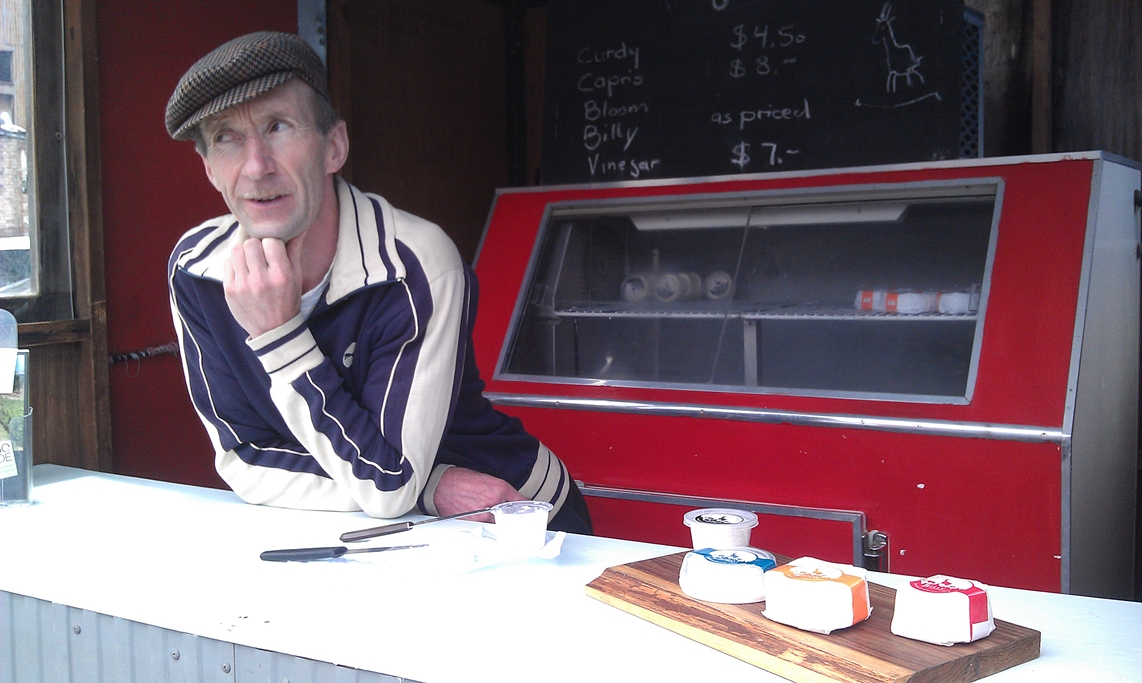
Goat cheese maker at the Hobart farmers market - he has the accent to go with the look too

I finally went to Tasmania last week, & will be going back again soon I hope, it is bellysister paradise.  A very beautiful place,  very peaceful after Byron. And a great food lovers’ destination.  There are the famous apples, wineries, at the moment lots of berries, but also many people trying new things. Much like in this area, but with very different weather & environment of course.  Fresh wasabi roots & saffron for example.  At the Saturday Salamanca market in Hobart you can buy saffron bulbs & Australia’s first hard raw cow milk cheese, from Bruny island, lovely but very expensive.  Salamanca market was the only really busy place we went to, some really interesting stalls among the usual market suspects that you see all over the world, but if you want just interesting food, check out the city centre farmers market on Sundays in Hobart.  Along the coast, oysters and crays just out of the water.  One business, based among the oyster leases at St Helens on the East Coast, has very successfully started to sell a major invasive pest of Tasmania’s waters to

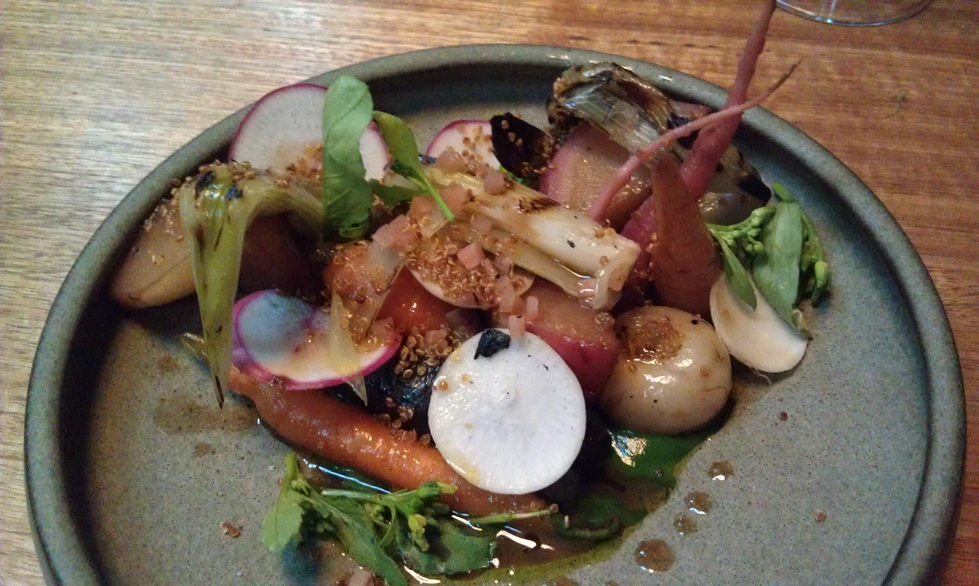
A beautiful garden made with "glazed turnips, carrots + society leek, nettle sauce, lovage oil, toasted quinoa" at les Garagistes. Toasted quinoa is an idea to try, it gives a lovely crunch to the dish.

some of Australia’s best restaurants – sea urchins.

Researchers have found that the oversupply of sea urchins in Tasmania is caused by the interaction of global warming and the overfishing of their predators, mainly large crayfish.  So we should be eating the urchins instead, but not just because they are a sustainable resource. They are meant to be aphrodisiac, possibly because the bit you eat are the sexual organs, and good for you.  But mainly they taste great, although they can be a bit of an acquired taste.  Luke Burgess, chef at Les Garagistes in Hobart, has urchins on the menu pretty much all the time.  He has now started to offer them as an optional extra because lots of customers were leaving them on the plate.  And that is on an adventurous fun menu full of offal and obscure ingredients.  I was even inspired to order tripe there.   If one of the wonderful people who invite me to dinner ask what I don’t eat, the answer is always “tripe”.  I will have to change it to “vegemite”, because Luke’s tripe was my favourite dish when we ate there.  It was very finely cut, an exploration of delicate textures rather than a lesson in cow biology, and the flavour was rich and deep, warmed by piment d’espelette (a Basque chilli),  sharpened with pickled shiitake mushrooms.  I actually got a little annoyed because the guy next to me at the shared table kept asking me questions and I did not manage to finish every speck of tripe while it was hot.  Even though he was a charming man, and the shared seating not only allows you to chat with friendly locals, but to check out everybody else’s beautifully arranged food landscapes.  Do try Les Garagistes if you go to Hobart, there is a no bookings policy but you can probably get in if you go early or late.   There is a lot there that flows along with current trends, from the presentation to shared small and large plates, smoking and curing, to the gleaned & locavore thing (though the oxalys weed in my dessert did taste just like a bit of pureed weed, and not in a good way).  But mostly the flavours work together really well and each element is prepared with great skill.  I finally saw the point in wagyu for example, with a delicious simple smoked brisket (with alexander mayonnaise, a new herb to me).  It is

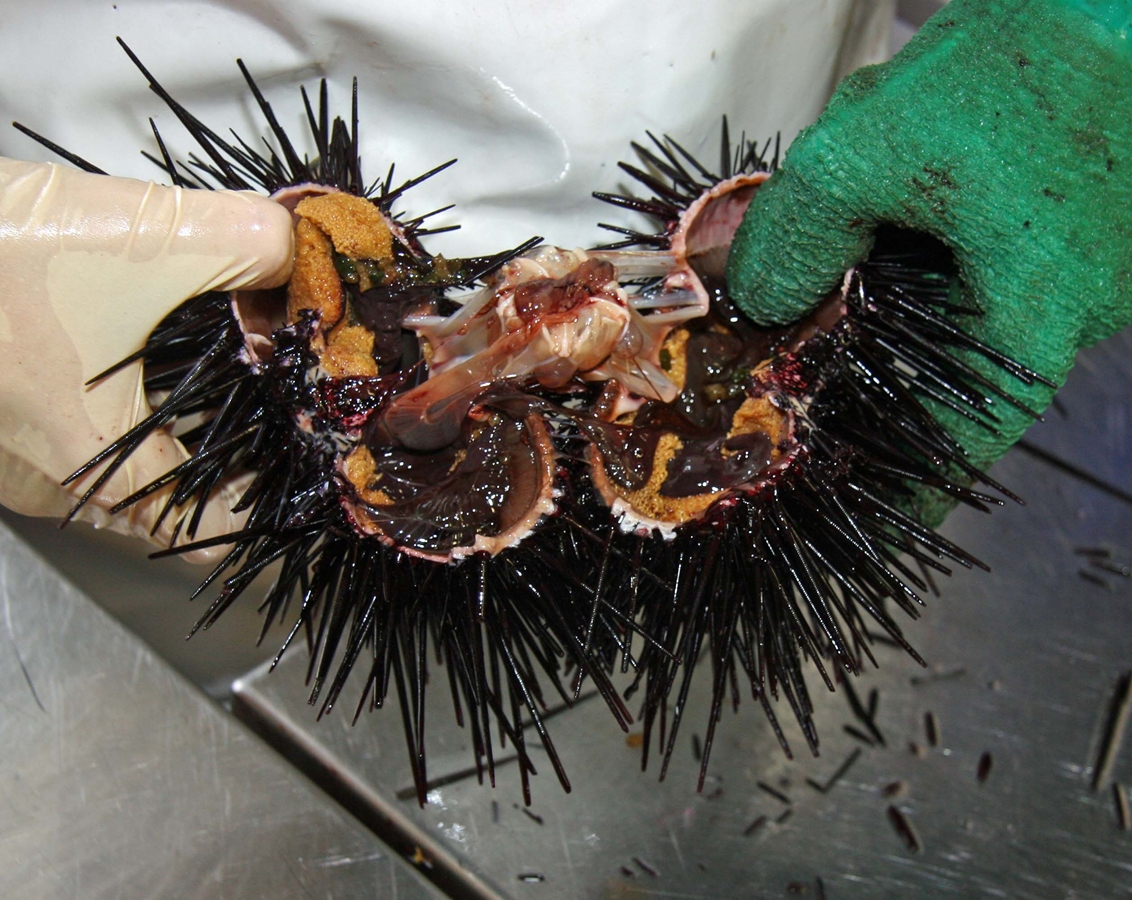
Cracking into a sea urchin - Photo Simon De Salis

fun food to eat if you are food obsessed, lots on the plate to keep you interested, and there is very interesting wine list too, with lots of information about the producers.  Not the place to go if dessert is the highlight of your meal though, but rhubarb granita is certainly an idea to try at home.

The urchins at Les Garagistes, Tetsuya’s and a bunch of other demanding Australian restaurants come from Seafoods Tasmania.  David Allen, who dives for urchins and is one of the owners of Seafoods Tasmania, has seen how hungry urchins are.  They are basically a ball of spines, with their bum up and their mouth down, eating. They love decaying seaweed, but they will eat pretty much anything.

Dave told me about about eating invasive NSW urchins in Tasmania, & the importance of creating regional jobs in the food industries. Tasmania is a lovely place to visit, with many interesting things happening on the food front, but has very high unemployment rates.

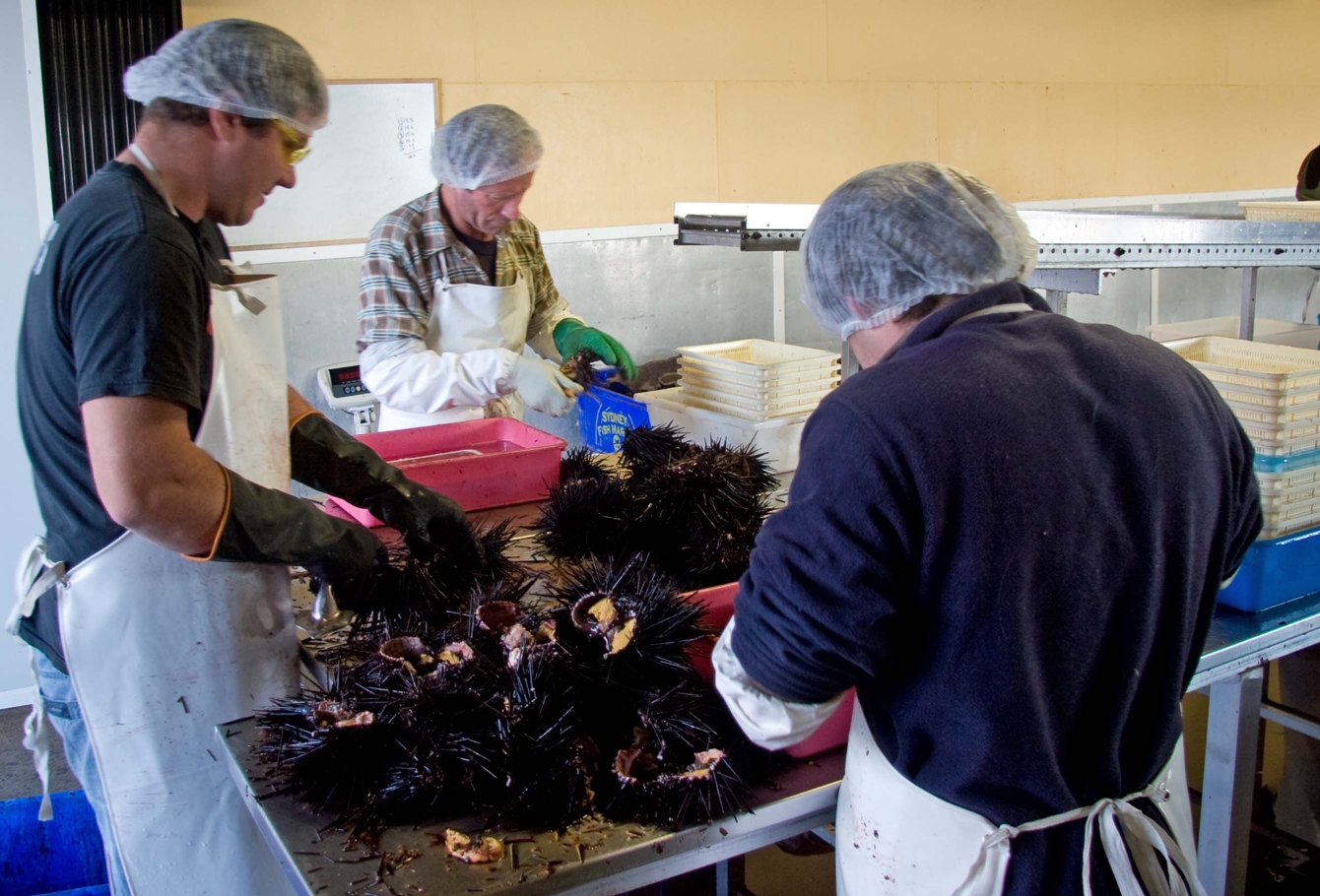
processing sea urchins - photo Simon De Salis

Dave  first ate an urchin about 15 years ago, and spat it out, saying “you’ve got to be kidding”.  They are also a bit  hard to handle. I told him about urchins I bought, all excited at the Sydney fish markets years ago, to share with friends a wonderful childhood memory of fresh urchins in Italy, straight out of the sea.  I opened them up soon after getting them home, and did my best to clean them, but we just couldn’t eat them, they smelled so bad.  I could never face urchins in the shell again, and I never knew if I had somehow stuffed up cleaning them until I asked Dave.  He says even restaurants who serve them in the shell often throw out the insides and use the shell as presentation for roe processed on site, as urchins really don’t travel well.  And the useful part is tiny, only about 8-9% of the whole spiky creature on average.  If you didn’t catch the show, the whole interview audio is below, or check out the Seafoods Australia links to more info.  Tasmanian Regions spring 2011 magazine (available online) also has an article about these tasty little pests.


COOKING SEA URCHINS

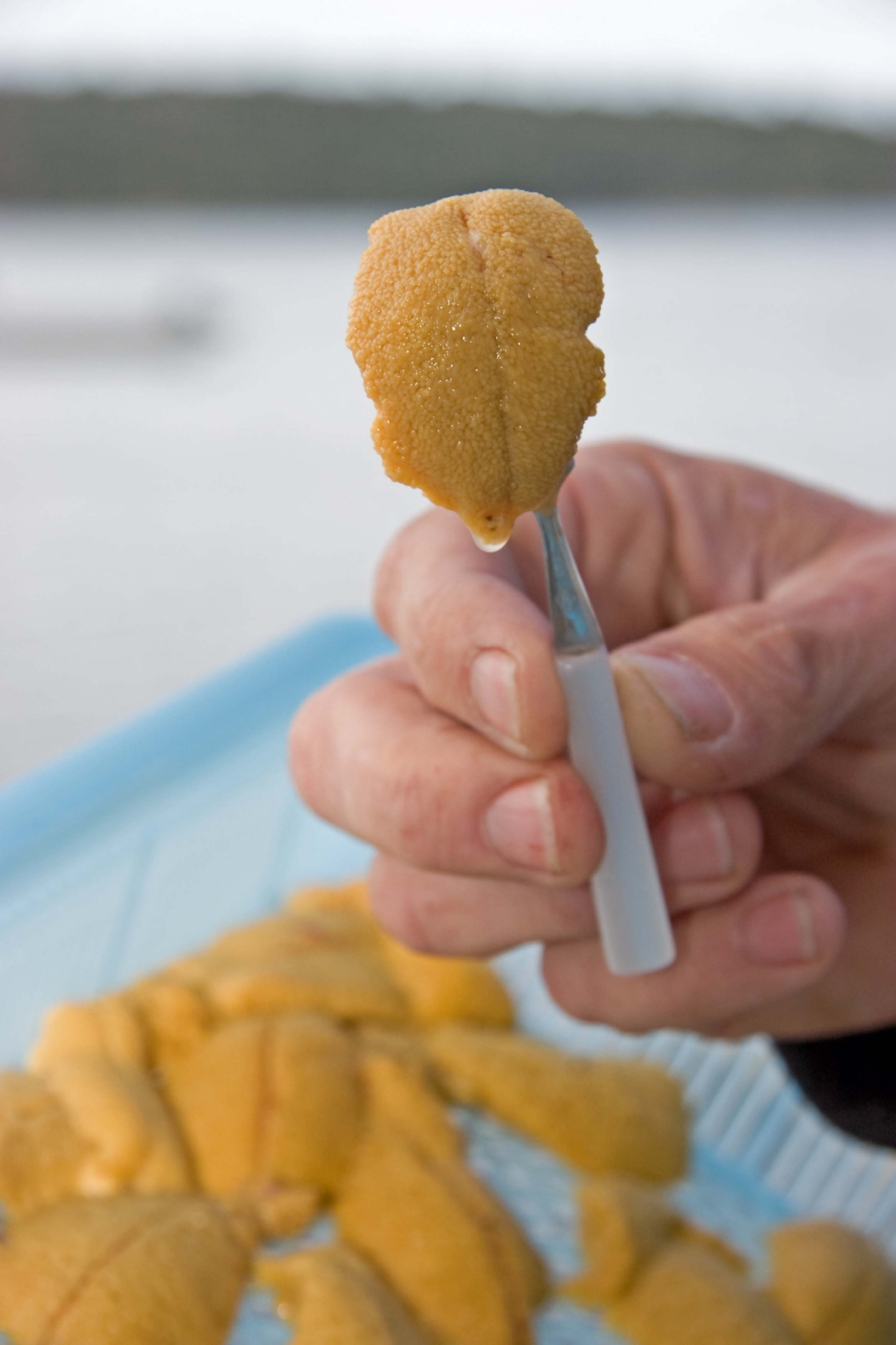
sea urchin roe, ready to eat - photo Simon De Salis

Well the best way is probably not to cook them, but to have them raw, as fresh as possible, maybe with a little lemon juice.
Dave suggests with wasabi, added to any sushi, on oysters, natural or as a variation on Kilpatric, or as a sauce on fish or cockles/vongole, or in fish soup.
Maggie Beer has a lovely recipe for urchin butter, made with lemon zest, pepper, butter, and urchins, dolloped on grilled scallops.  (Maggie says sea urchins are her secret indulgence)
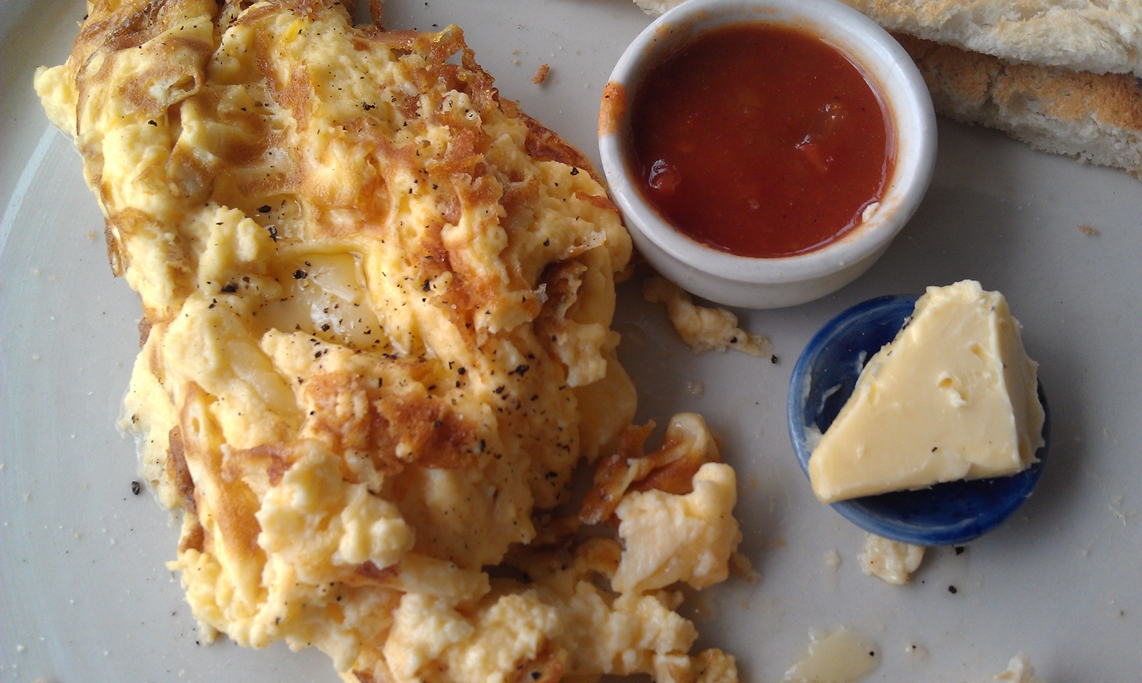
Or make urchin butter sandwiches like Dave’s Pacific islander customers, or eggy urchin fritters or omelettes.  Maoris call urchin roe ‘kina’.
Italians make sea urchin pasta, cook fresh tomatoes & onion in olive oil 15 minutes, then add urchins, with chopped parsley and garlic towards the end of cooking.

I made an urchin pasta on the road with coriander & lemon zest & cauliflower & way too much butter mmm.  I bought coriander just because it was the only healthy looking herb (the St Helen’s herb lady was on holidays) but its funkyness really goes well with sea urchin.
The easiest place to try them is at a good sushi restaurant – they turn up pretty often, or ask your fishmonger to get some in – urchins pack a big flavour punch for a very small weight so we can probably make an exception to food miles rules.  And if after all that you are left wondering what they taste like… well they taste like nothing else.  At first they taste of the sea, like a natural oyster, as you get into a piece they are soft and rich, nutty and sweet and have a deep and intense flavour, a little like a really rich seafood soup.


SEA URCHIN AND CAULIFLOWER PASTA – from the belly mobile lab

Steam or microwave some cauliflower, cut into small florets.

Finely chop a little garlic, roughly chop a lot of coriander leaf.  If you want to get fancy, the root is nice cooked in butter and finely chopped in this.

Cook the pasta in lots of water even if you are on the road and have to use two pots.

Mix together hot pasta, cauliflower, coriander, garlic, salt, pepper, a little of the cooking water if the sauce is dry, and way too much butter.  Serve raw cleaned urchin roe separately so everyone can add to taste.  This pasta works even without any sea urchin.  I didn’t forget the parmigiano, you don’t need it.


LINKS TO INFORMATION ABOUT TASMANIA AND SEA URCHINS

We were lucky enough to have a very well informed friend guiding us around some of Tassie’s most delicious and beautiful places, ex Suffolk Park resident Simon De Salis.  He is a very talented professional photographer and now the editor of a magazine called Tasmanian Regions (ex TasRegions).  It is available online here, and has lots of great photos and interviews with people doing interesting things with food around Tasmania.  Thank you very much Simon for the tasty tour de Tassie and the urchin photos, and may the surf gods smile on you.

Seafoods Tasmania has lots of photos and info about sea urchins on their website.

There are lots of urchin videos on youtube, from an urchin eating a biscuit (disturbing), to underwater footage of urchin barrens, a whole Ironchef  ‘urchin battle’, and lots of guys trying to look tough by eating live sea urchins.


SEA URCHIN SAFARI – INTERVIEW AUDIO

Click on the links below to listen to the interview I recorded at St Helens, on the Tasmanian east coast, in the lunch room of the tin shack which currently houses Seafoods Tasmania, with diver and co-owner Dave Allen.  Apologies to the blokes whose lunch was delayed because I asked too many questions, and a big thanks to Dave and Julie for the hospitality and the delicious sea urchin tastings.

what sea urchins eat

why should we eat sea urchins, & who does

sea urchins and global warming

processing sea urchins

why you should choose very fresh urchins & ways to cook urchins

sea urchin seasons & simple ways to eat them


MUSIC

Ludwig van Beethoven – the ode to joy – for Faith the Whian Whianbaker

Bamboo love shack and Moon Shaker, by Water Melon, from the cd “Fish smell like cat”

Lovers who drink the sea, by the Oyster Murders

Passacaglia in C minor by JS Back, from the cd ‘Sea Symphony”, Sydney Symphony Orchestra

Aphrodisiac, by Ganga Giri, a little Byron sound for Simon De Salis

The future’s so Bright…, by Abbie Cardwell


MORE BELLY TOUR DE TASSIE


delicious fruit icecreams at Eureka farm - crabby owner but best icecreams


Since you have made it this far down the page, I’d like to share a couple more tasty places we have come across.   Lucky it is small by Australian standards, we were only there for 5 days!  I’d love to hear your suggestions for the next belly tour, in Tasmania or anywhere else.  One idea we should copy in our area are the farm gate routes, explained in brochures with opening times, seasons, specialties.

cheddar omelette with chutney - no it didn't really need the butter

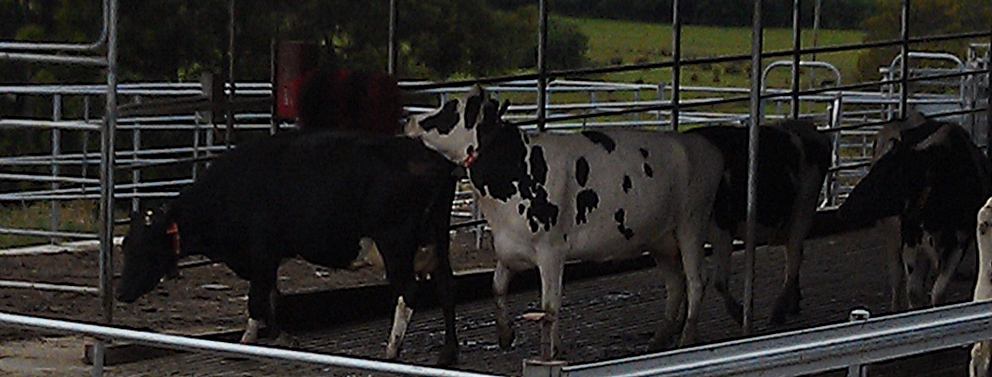
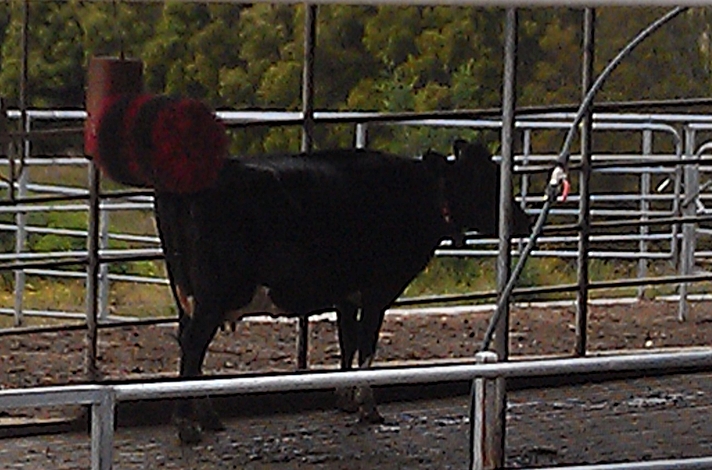
Pyengana cows pushing to get themselves a scratch from the brush roller

one lucky cow has got the bum scratcher to herself for a minute

just to prove we did something other that eat... a post-cheese waterfall walk


Thank you for listening to belly this year, or making your way to the belly website.   A big thank you to Sis Rasela for a year of belly, & to Alison Drover, our ever changing seasonal bellysister & tandem bike racer & to the very very delicious regular belly listeners, may your pot be always full of good things, & remember, cooks WILL save the world, or at least make it better.

I’m back on January 2nd with a very interesting guest, professor Mike Evans, who has lived and eaten in many interesting places, especially focusing on feasts and food and relationships on the Pacific island of Tonga .  He will tell us how he  somehow managed to not only eat dog, but eat I quote “his own dog –  – by mistake”.

Love and chocolate covered sea urchins (you never know, it might work), have a happy and peaceful holiday season,

Sister Tess


cooking up presents

On air on bayfm 99.9 community radio in Byron Bay on 5.12.11

Christmas trees are going up and carols are in the air from Bangkok to Buenos Aires, from Tokyo to Doha. I know because I looked at the Twitter carols thread. Doha is in Qatar, I had to look it up,but even there people are getting into the carols, yes this is your annual belly carols alert. And we are getting into another tradition, presents, which is older than all the Christian traditions of this festival. Especially the giving of food gifts. We are cooking up the presents on belly today, with Miss December & our new baking bellysister Deanna.  Miss December also brought us the most abundant December fruit & veg, and we launched a new series that will turn you into a confident pastry cook. Chock full of goodness today on belly.


Merry Everything from Sister Christmas!


The lovely Miss December, Alison Drover, is sharing her father’s Royal Easter Show winning Christmas cake recipe, and great easy to make cheese biscuits.


MISS DECEMBER’S BELLY CHRISTMAS – TRIED AND TRUE EDIBLE GIFTS


DON’S‭ (‬ALISON DROVER’S FATHER) CHRISTMAS CAKE‭


[This is an old family recipe,from before Australia went metric, so these are Imperial measurements, not American cups if you are looking at Belly from the USA]

1 &1/2‭ l‬bs sultanas

1/2‭ l‬b raisins

4‭ ‬oz currants

4‭ ‬oz mixed peel

3‭ ‬oz dates

1/2‭ ‬cup macadamias‭

1/2‭ ‬cup rum brandy or sherry

8‭ ‬oz butter

1‭ ‬vanilla pod‭ ‬-‭ ‬scraped

1‭ ‬tablespoon grated orange range

1‭ ‬tablespoon grated lemon rind

5‭ ‬eggs

1‭ ‬cup brown sugar‭ ‬-‭ ‬firmly packed

2‭ ‬tablespoons orange marmalade

2‭ & ‬1/2‭ ‬cups plain flour

1/2‭ ‬teaspoon salt

1/2‭ ‬teaspoon cinnamon

1/2‭ ‬teaspoon nutmeg

4‭ ‬tablespoons rum or ‭ ‬brandy


Soak mixed fruit in brandy.‭ ‬Cream butter until smooth,‭ ‬add vanilla and rinds.‭ ‬Add sugar,‭ ‬beat well until mixture is combined,‭ ‬do not overcream or cake will crumble when cut.

Add eggs,‭ ‬one at a time,‭ ‬beating well before adding the next one.‭ ‬Add marmalade and mix well.‭ ‬Add creamed mixture to fruit mixture,‭ ‬mix thoroughly,‭ ‬sift dry ingredients,‭ ‬add in two lots to fruit mixture,‭ ‬mix thoroughly.

Put mixture into a‭ ‬71/2‭ ‬inch square cake tin lined with four layers of greaseproof paper.‭ ‬Spread mixture level.‭ ‬Bang tin on table to settle mixture.

Bake in a slow oven for‭ ‬3‭ ‬to‭ ‬3‭ ‬1/2‭ ‬hour.‭ ‬Remove cake from the oven and test with a skewer.‭ ‬If it comes out free of cake mixture,‭ ‬remove cake from oven.‭ ‬Brush the cake evenly with extra rum brandy‭ ‬-‭ ‬you can use a little less or more than‭ ‬2‭ ‬tablespoons.

Cover immediately with some tin foil then a towel.‭ (‬This traps the steam giving a moist cake‭)‬.‭ ‬When the cake is cold‭ (‬about‭ ‬12‭ ‬hours‭) ‬remove from the tin and‭ ‬wrap in foil.‭ ‬Wrapped in this way it will keep for several months.


CHEESE BISCUITS – By Alison Drover


Ingredients

1oog fresh goat’s cheese or blue cheese

1 & 1/2 tablespoons freshly grated parmesan cheese

1 teaspoon fennel seeds

150g softened unsalted butter

scant pinch of salt

1/4 teaspoon pepper

175g plain flour, sifted


Method

Blend cheeses, butter, salt and fennel seeds quickly in food processor until smooth. Remove to a bowl and fold in flour.  Spoon mixture onto baking paper and roll into a log about 5cm in diameter. Refrigerate for several hours until firm.

Preheat oven to 180 Celsius. Slice thinly and put on baking trays lined with baking paper.

Bake for 10-15 minutes until golden. Cool, then store in airtight tin.


DEANNA’S CHRISTMAS TRUFFLES


BASIC TRUFFLES


200g good quality eating dark chocolate

1/3 cup cream

½ tsp vanilla extract

¼ cup cocoa powder or icing sugar


Combine chocolate and cream in the top of a double boiler or in a heat proof bowl over a pot of simmering water. Stir with a metal spoon until just melted and smooth. Remove from heat and stir in vanilla

Place in fridge to chill for approx one hour or until firm enough to roll into balls

Using approx. 2 tsp of mix at a time, roll into balls, place on a baking sheet covered in baking paper and refrigerate again until firm.

Place cocoa powder in a shallow dish, roll truffles in cocoa powder to coat.

Store in an airtight container in the fridge


PEPPERMINT TRUFFLES


400g good quality dark eating chocolate

2 tbsp peppermint liqueur (or 2 tsp peppermint essence)

70g peppermint chocolate (could be peppermint crisp, or mint flavoured chocolate, but not cream filled or green) crushed,

50g white chocolate chopped


Melt 200g of dark chocolate and cream as in method for basic truffles. When melted, take off heat and add liqueur or essence. Allow to cool for 10 minutes and add peppermint crisp.

Chill and roll as in previous recipe.

Melt remaining 200g chocolate. Place a toothpick in each truffle and dip into melted chocolate to coat. Place back on baking tray and allow to chill in refrigerator.

When chilled, melt white chocolate. Using a piping bag or small ziplock with the corner cut off, place chocolate in bag and pipe white chocolate over truffles. Refrigerate until set.


HAZELNUT TRUFFLES


450 g good quality milk chocolate, chopped

40g butter chopped

20 roasted whole hazelnuts

100g roasted hazelnuts chopped finely

50g dark chocolate chopped


Melt 250g milk chocolate and butter as described in basic truffle recipe, mix in chopped nuts and chill.


When firm, roll into balls pushing one whole hazelnut into centre of ball. Chill until firm.


Melt remaining 200g milk chocolate and place toothpick in each ball. Dip in melted chocolate and allow to set. Melt dark chocolate and pipe over truffles as described in peppermint truffle recipe.


TOFFEE TRUFFLES


140g packet of werther’s original hard toffees


400g good quality milk chocolate, chopped


1/3 cup cream


½ tsp vanilla extract


50g good quality dark chocolate.


Place werther’s in food processor and process until fine crumbs. Melt 200g chocolate and cream as in basic truffle recipe. Stir toffee through chocolate mixture. Chill as in previous recipes, and roll, then chill again. Melt 200g milk chocolate and dip truffles in melted chocolate using toothpick to hold on to truffle. Allow to chill and then pipe melted dark chocolate over top.


WHITE CHOCOLATE COCONUT


450g good quality white chocolate chopped


1/3 cup cream


30g butter


2 tbsp dessicated coconut


2 cups shredded coconut


2tsp coconut essence


Melt 250g white chocolate, cream, and butter.  The method I use for the white chocolate truffles is a bit different when I melt the

chocolate: I heat the cream and butter until almost boiling, and then pour it quickly on top of the white chocolate pieces and stir to melt.

Stir through desiccated coconut and essence. Follow steps for chilling and rolling as in above recipes. When chilled, melt remaining white chocolate and dip truffle in melted chocolate using toothpick, immediately afterwards rolling in shredded coconut. Allow to cool.

Truffle recipes adapted from “Superfood Ideas” December 2007


BELLY BULLETIN


Northern Rivers Food Links would like to connect food businesses who have leftover food going to waste with food aid groups who could put their leftovers to good use. If you have a food business operating in the Ballina, Byron or Richmond Valley local government areas, give them a call on (02) 6681 4772 or email

kim@northernriversfoodlinks.com.au


Shark fins are an expensive delicacy in Chinese restaurants. Scientists estimate between 26 and 73 million sharks are killed for their fins worldwide each year. Hong Kong is the major market, but local campaigns are successfully changing customer habits. About 60% of people there now say they wouldn’t eat shark fin, the price has dropped by 20%, and almost 100 caterers and hotels have signed up to the shark free menu campaign of the World Wildlife Fund, including the prestigious Peninsula group.


Global warming could be getting you drunk. More sun means riper grapes, which means more alcohol in your wine. Estimates are that global warming alone is increasing alcohol content by about 1 degree per decade. Wine writers and judges are also responsible, as many have praised big, full flavoured wines which also have a high alcohol content. Twenty years ago, most wines were 12 to 13%, now many are 15% or more. The smh has an interesting article listing average percentages in many wines, and reports calls to put alcohol content on restaurant and bar wine lists to help customers who are looking for a less potent drop.


If you want to trap a fire ant, give it a hot dog. Introduced fire ants have become a problem in Northern Queensland. They’ve displaced up to 95 per cent of the native ants, they can blind pets, they sting people as they garden or in their swimming pools. Biosecurity Queensland staff are luring the ants to footpaths and nature strips with traps baited with hot dog meat. Field staff put down the hot dog and leave it down for an hour and come back and pick it up and see what ants they’ve got. Spokesman Gary Moreton said “These ants are quite generalist eaters so they like all sorts of things, they like sugars, oils, proteins, and I think probably with those hot dogs, they’ve got a bit of everything in there.”


EDIBLE QUOTE

Irene Kangasniemi, a neighbour of Santa Claus from Lapland “When we are visiting places we don’t bring flowers, we bring food”


MUSIC

Amy Winehouse – I Saw Mummy Kissing Santa Claus

The Temptations – Rudolph The Red-Nosed Reindeer 2:58


Eileen Barton – If I Knew You Were Coming 2:51

W.A. Mozart, “Sleigh Ride”, opus K605 no.3


Italian regional food

On air on Byron Bay’s Bayfm 99.9 community radio on 21 November 2011

A Sicilian, a Roman and a Piemontese walked into a studio…and started talking about food – it could become the edible version of occupy Wall street, but lucky for the presenters who are on after us we will probably be quickly driven out by hunger.  Well actually the Roman kind of got lost on the way to the forum…Hopefully I will get to talk to Valentina soon, she has done a course at one of my favourite Italian food mags, sites and now school, Gambero Rosso.  But the capo degli amorevoli, wonderful Italian presenter Sergio from the Bayfm program ‘That’s Amore“, that has just returned to the summer broadcast, was on belly today.  Sergio is from Sicily, but has lived in Rome, Pisa and also in Merano, at the border with Austria, while doing his duty as a sweet young conscript in the Italian army.   I am from Piemonte, in the North near the Swiss/French border, but my parents have lived for years in Tuscany and Sicily, so between us we pretty much cover Italy, and many of its wonderful and very distinctive regional cuisines.

We are both keen to talk about some wonderful dishes from our bits of Italy , which are much less known than the standard pizzas and pastas.  We went straight off into singing the praises of caponata, a gorgeous Sicilian summer dish, done in many different ways across the island.  I have seen some very vibrant discussions among Sicilians about the best way to do this dish!


CAPONATA CATANESE – adapted from a recipe by Mimmetta Lo Monte in “Italy a Culinary Journey”

One 500 g eggplant

500g red and yellow capsicums

1 onion

60 g celery stalks and leaves

1 tbs capers, squeezed if in vinegar, rinsed and drained if in salt

6 large green olives, pitted and cut into pieces

2 tbs red wine vinegar

3/4 tsp sugar

6 canned tomatoes, seeded and finely chopped (or 6 very ripe tasty tomatoes, peeled, seeded and chopped)

salt

Peel a 2 cm strip of skin from the eggplant, stem end to bottom and back to the stem. Cut it into 2 cm cubes. Cover with water and 1 tsp salt. Weigh them so they stay underwater. Leave 30 minutes, drain, dry with paper or tea towels. Deep fry in 2 cm of oil on high heat, until dark gold. You may need to do this in batches. Set aside.

Cut capsicum and 3/4 of the onion into 2 cm cubes. Heat 3 tbs of the eggplant cooking oil, add capsicum, onion and celery. Stir over moderate heat for 2 minutes. Reduce to low, cover and cook 8 more minutes. Uncover, raise heat to high, stir until veg start browning. Add capers, olives, vinegar, sugar.

Turn off heat, add eggplant, mix very gently.

Finely chop the last 1/4 onion. Heat 2 more tbs of the eggplant oil in a small pan.

Saute’ the onion, add tomatoes, cook on high heat until they sizzle. If you are using fresh tomatoes, start a little slower and cook them a little longer. Stir in salt to taste and add to the other veg.

Serve at room temperature. This gets better the next day, and will keep well for a few days.

As we said on the show, this is basically the primary layer of caponata, which you can adapt and add to to your heart’s delight.  I have usually had it with pine nuts added.   You can add a lot of seafood, mainly little octopus (octopussies?), but also firm fleshed fish, bottarga (dried mullet roe), prawns, even lobster.  Or artichokes or asparagus.  There is even apparently a chocolate and almond sauce you can add, called Saint Bernard’s sauce, salsa di San Bernardo.  Play around, but try the basic version first.


SERGIO’S GNOCCHI WITH PESTO

This is a dish associated more with the North, and of course pesto is from Liguria, the region of Genova, but Sergio likes to make it as it is a low gluten dish, especially with spelt.  Spelt is called farro in Italian and has made quite a comeback in recent years.  Sergio said he likes to play around with Italian dishes, adding things like miso and tofu to Italian classics.

Gnocchi di Patate (4 people)

Ingredients

1kg Dutch (cream?) Potatoes, 200gr spelt Farina, 1 egg,


Steam the whole washed potatoes with their skin, in abundant water and a pinch of salt.

Let them cool down completely and then peel them, mash them till they are smooth.

Pour them on a floured wooden board, make a dimple in the middle and add the egg to it. Add the sieved flour little by little and mix it manually until it is hard and doesn’t stick to your hands. (Probably you will have to use only 3/5 of the flour)

Work it in long rolls of 1.5cm and cut it in 2cm pieces.

Use a fork to give them the right shape. (With a movement swift but firm). Put them on a well floured plate to keep them separated.

Boil them in an abundant (repeat abundant) salted water. When they rise scoop them with a holed ladle.

Mix the gnocchi with their sauce while still warm.


Recommended sauces: Burro e Salvia (Butter and Sage), Fresh tomato sauce and Basil, but you can try also with Pesto and grated Parmesan.


PESTO GENOVESE

(for 600 gr of pasta)


Ingredients

50 Gr of Fresh Basil leaves

½ glass of Extra-virgin olive oil

6 Tablespoons of Parmigiano Reggiano and 2 of Pecorino

2 garlic cloves

1 Tablespoon of pine nuts

A pinch of salt


For the traditional Pesto you should use a marble mortar and a wooden pestle.

Wash the basil leaves in cold water and place them to dry on a tea towel.

Pound the basil leaves and the garlic (a clove for thirty leaves) in the mortar with a slow circular movement.

When the basil releases its juice, add the pine nuts and then the grated cheeses. Finally add (slowly) the oil.


CORNMEAL BISCUITS – PASTE DI MELIGA By Sister T’s mum Franca Corino

A recipe from close to the mountains in Piemonte, where corn goes not only into polenta but into delicious light crunchy biscuits.  I remember we always used to buy particularly good ones in a little town where we made regular pilgrimages to a big discount shoe shop.  Half price Italian shoes and good biscuits : can a day be any more perfect?  This recipe is my mother Franca’s, from a book we did together, along with other authors from the regions of Italy, called “Italy a culinary journey” (Angus and Robertson 1991, ed A. Luciano) – 20 years old now, which is a bit scary.  [I just checked and you can get it on the internet for a massive $1 and 36 cents, + postage, but that is the American edition so I’m not sure if it would have the metric measurements as well]. The quantities are a little odd because the main market for the book was the US, you can play around a bit with the flour percentages.  Also if you are making this in midsummer in Byron and room temperature is 30 degrees, use your butter straight from the fridge.

315 g plain flour
90 g polenta flour
315 g butter, at room temperature
185 g sugar
2 egg yolks
1 tbs grated lemon rind

Preheat oven to 180 C.
Mix all ingredients lightly until the dough is similar to short crust pastry.  Be careful not to overwork it or the biscuits will be tough rather than crumbly and light.
Roll out to a 1.5 cm sheet, cut into circles with a biscuit cutter.
Bake on a buttered oven tray for 10 to 15 minutes or until golden.
Allow to cool and store in an airtight container.


BELLY BULLETIN


Where our food comes from, how it is produced and by whom, its impact on our lives and environment, the impact on our culture and on food security, will be some of the themes discussed at the Australasian Regional Food Cultures and Networks Conference. It will be held

At Peppers Resort, Kingscliff, on November 29 and 30, and is organised by Southern Cross University’s School of Tourism and Hospitality Management. The conference brings academics and industry together across a number of areas including food production, distribution, marketing, tourism and hospitality to explore key issues and opportunities for regional food.

Southern Cross University Professor Philip Hayward said the conference would specifically address local networking issues.

“Local food and low food miles are desirable. But to make local food industries sustainable we have to thoroughly rethink distribution systems, branding and appellation and how producers network with other members of the local supply chain,” he said.

School of Tourism and Hospitality Management Associate Professor Kevin Markwell said he believed regional food could become an engine for tourism.

” Food styles and products help create distinctiveness between regions which then has flow on effects in terms of attracting tourists

to regions to sample distinctive cuisine,” he said.

More info on the conference website, www.regionalfoodconference.com.au


AND BRIEFLY : 2013 has been declared the European Year against Food Waste, and Sikh immigrants are helping to save one of the most traditional of Italian food industries, Parmigiano Reggiano, as they are very skilled with cows, and willing to work the long hours required to bring us this wonderful cheese.


EDIBLE QUOTESDETTI GUSTOSI

A few of the many many Italian sayings that involve food.  There is a huge list here, although some of the translations are a bit off the mark.

A tavola non s’invecchia – you never get old sitting at the dinner table (not sure if this is because of the good food or the good company)

Non puoi avere la botte piena e la moglie ubriaca – you can’t have a full wine barrell and a drunk wife (both very desirable things)

i.e. – you can’t have your cake and eat it too


MUSIC

A big grazie to Sergio who always picks really interesting and varied music for That’s Amore, and brought all the tracks we played today.

Vacanze Romane – I Matia Bazar

Pronto – Zucchero

Rap Lamento – Frankie Hi-Nrg MC

Pasta al Pesto e Papadan – La banda di piazza Caricamento

Curre Curre Guaglio – 99 Posse


Love and caponata with chocolate sauce, sorella Mariateresa (aka sister T)

Love, fear and dumplings in Shanghai


Today Katrina Beikoff, author of “No chopsticks required: my family’s unexpected year in Shanghai”, was the delicious belly guest.  She  shared her stories and Ayi Tina’s dumplings.


AYI TINA’S DUMPLINGS

500g Pork Mince
Tbsp Soy sauce
Few drops sesame oil
Tsp Ginger
2 Tsp rice wine vinegar
1 clove garlic finely chopped
Handful Coriander inc stalks
Chives or spring onion
Salt
Pepper
Dumpling/wanton wrappers

Dipping sauce:
Vinegar
Coriander
Spring onion

Method:

Mix the pork mince and other filling ingredients.  For extra crunch and a little Chinese cabbage, but Tina (and I) find the coriander stalks are enough.

Assemble various helpers (children) to construct dumplings.  Alternatively, settle in front of daytime TV while assembling dumplings (choose a Chinese soap opera for the authentic experience).

Place about a teaspoon of the pork mixture in centre of round dumpling wrapper.  The trick is then not only to fold wrapper into a half moon, but to tuck in each wing before sealing the semi-circle.  Use water, or a slurry mix of water and corn flour, around the edge of the wrapper to help seal the dumpling.  Pinch the edges together to create seal and give that lovely ripply edge to the dumpling.

Plunge dumplings carefully, a few at a time, into boiling water for about six minutes to cook.

Meanwhile make dipping sauce by adding favourite flavourings to vinegar:  I prefer as much coriander as the vinegar can handle plus a smidge of chilli.

Please note measurements are only a rough guide, adjust sauces etc to taste preference.


MORE COMING, SORRY, VERY BUSY WEEK (OR 2)


Life and Death – ooh yes – planting spring veg, food and death

On air on Byron Bay’s Bayfm99.9 community radio on 7.11.11

The first belly of November today is about life and death – there is lots of new life to encourage – & then eat, in your veggie patch and in that gorgeous big patch, the Mullumbimby Community Garden.  Miss November Alison Drover told us all about their very successful food festival, then she pulled on her gumboots and got down and dirty planting spring veg both to eat and to grow as presents.  Then the woman who has steered some of the best weddings and burials, or as we like to say in Byron, celebrations of lives, Zenith Virago came on belly to talk about food and death.


BLISSFUL BERRIES AND BROAD BEANS ON BELLY

by Miss November Alison Drover

www.forkinthefield www.thealisonprinciple.com


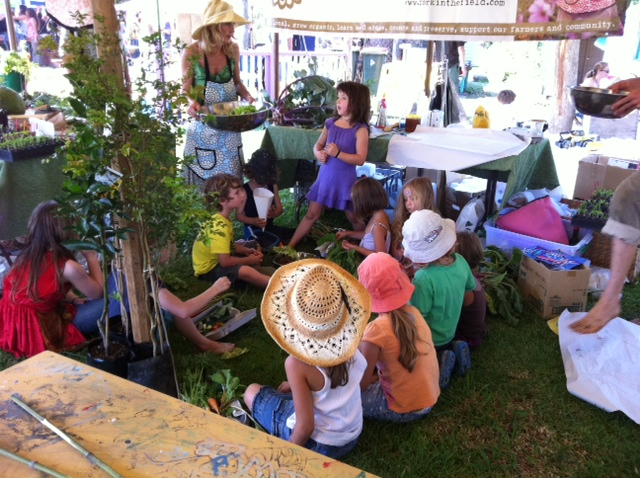
My best day in October was the Mullum Community Garden Local Food Day it was so inspiring. I hosted a class with the children a kitchen garden tour, cooking and growing it was blissful. Thank you to Joel and Sophie and Ian and Kate for their help and to the garden for creating such an amazing space.


If you would like to receive the Fork in the Field newsletter please email contact@alisondrover.com.


Broad beans, blueberries, basil and Belly

Mmm November get down and get dirty in the garden and pop a blueberry in your mouth and you can stay away from any pills as they are like wonder foods. This month is celebrating the broad bean, as this is the month when they are at they best and as they are not around for long I suggest having them as often as you can.

Broad beans are good sources of protein, fibre, vitamins A and C, potassium and iron. They also contain levodopa (L-dopa), a chemical the body uses to produce dopamine (the neurotransmitter associated with the brain’s reward and motivation system).


What we are celebrating at our markets locally

• broad beans, blueberries, avocados and soon to come basil and eggplants. In our gardens baby tomatoes on vines.


What’s in season in NSW

Avocado, asparagus, rocket, kale, lettuce, cabbage, beans, peas, fennel, beetroot, potatoes, ginger, passion fruit, bananas, herbs , watercress, strawberries, spinach, artichoke, broccoli (less around), silver beet, eggplant, cucumber, lettuce, mint, oregano, papaya, watercress, pears, oranges (Riverina), grapefruit, kale, okra, mushrooms, corn, zucchini (coming on), coriander


Fork in the Field Recipes – by Alison Drover


BROAD BEAN, MINT, PECORINO – perfect for picnics on baguette


2 cups shelled broad beans

1 cup of pecorino cheese grated

1 tablespoon chopped fresh mint

2 tablespoons lemon juice

150 mls olive oil

pepper, salt


Put a large pot of water on to boil. When it’s at a rolling boil, add the broad beans a few at a time so that it does not go off the boil. This ensures that the colour is retained in the beans. Cook until tender.

Refresh under running cold water then remove the outer skin from the broad beans to reveal the green inner part of the beans.

I prefer a mortar and pestle than food processor as you lose the shape and form of the bean and food becomes like baby food not good.

So if you are using a mortar and pestle place the beans, lemon juice and salt and pepper and smash. Add olive oil a little at a time.

If you have a food processor do this while the motor is running. Keep adding oil until the mixture reaches a creamy consistency suitable for a dip. The amount of olive oil you need to add will depend on the age of the beans.

Add the pecorino cheese. Just before serving add chopped mint. If you put this in beforehand it will go brown.


BLUEBERRY, MULBERRY, STRAWBERRY SUMMER PUDDING

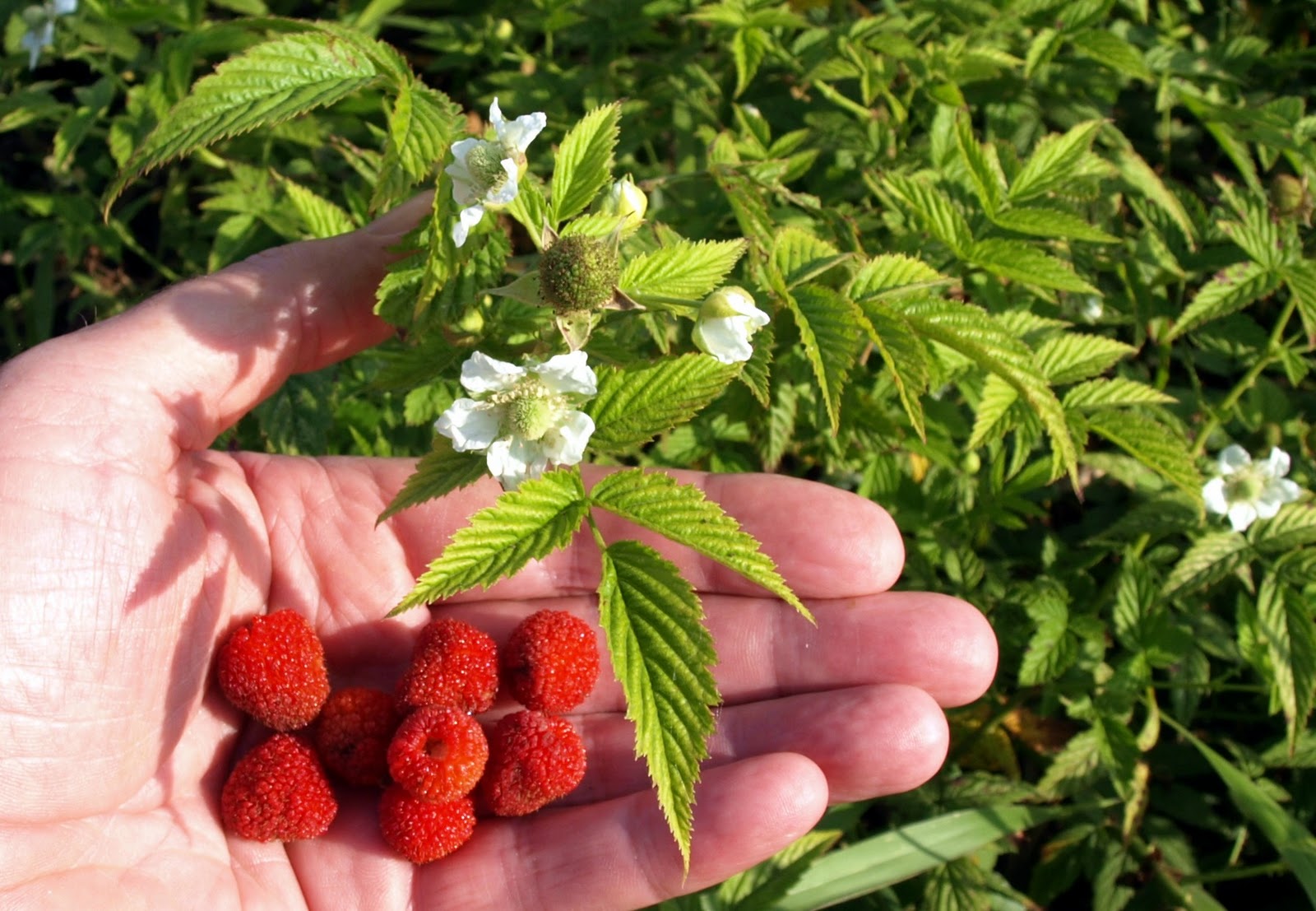
add some native raspberries

This can be made in individual ramekins or as a whole summer pudding


• 1 kg mixed fresh berries blueberries, strawberries, mulberries

• 50 ml water

• 175 g caster sugar

• 8 or so stale slices good white bread, thinly sliced or you can use croissants, panettone (great at Christmas way to use this up)

• 1 teaspoon of cinnamon

• Note: If you have any odd jars of berry jam in your fridge, which you would like to use up, add these when you are heating the berries.

Notes: make sure you use a combination of robust berries and some of the more delicate ones for example a good amount of strawberries and blueberries combined with mulberries.


Place all the berries carefully in a saucepan and gently heat until the sugar has dissolved. Take care with your berries so you don’t mush them around. Stir until sugar has dissolved. Taste – depending on the berries you may need to add more sugar.

Remove the crusts from the bread or if you have croissants remove any very dry crunchy bits.

Take a piece of bread or stretch out croissants (you may need 2) and place it on the bottom of your bowl and the place all around the bowl. The idea of this is to create the shell for the pudding. Now that you have the pieces of the jigsaw so to speak dip them in the juice and then place it back in position.

With a slotted spoon take the berries and place them in the bowl and then add the juice. Finally take the remaining bread or croissants and place across the top so as to cover the fruit. The juice should now be staining the bread as it seeps from below and to ensure it is well-soaked press on it a little. Cover with cling film and then place a large plate on top to weight it down.

Refrigerate overnight. Take out of the fridge and remove cling wrap.

Just before serving. Remove cling film. Ensure the plate you have covering the pudding fits across the pudding. Turn it upside down over the sink in case excess juice should spill out.

Result – you will see your creation a dome pudding which is filled with berries. Use the remaining juice that you have kept aside and spoon over the pudding. Serve with real cream or creme fraiche.


Community Gardens – join one, volunteer one or start one – Alison Drover

Here is a link to the Mullumbimby Community Garden.

Here is a link to an amazing resource for Community Gardens, and if you check it out some great how to compost, grow and garden guides for free!

Next month : Edible gifts for Christmas – please email us your ideas : belly(at)belly(dot)net(dot)au

x Alison


FOOD AND DEATH


This is a direct link to the Carnivale of Life and Death, happening in Mullumbimby on November 11 to 13.


BONES OF THE DEAD/BONES TO BITE – OSSA DEI MORTI/OSSA DA MORDERE

This is a type of biscuit that is made all over Italy around the time of the Day of the Dead, November 2, the traditional day to go visit loved ones at the cemetery.  This day looks like it is being swamped by Halloween, as in every other country.  These little bone shaped biscuits would be great for both, or to take along to the Mullum event.  This version comes from my region, Piemonte.  I translated and adapted it from an Italian website.  The author got it from his grandmother, and shared it on a site that seems designed to share recipes among Carabinieri, the Italian military police who wear those glamorous uniforms with a broad red stripe down their trouser leg, and a big red plume on their dress caps.  And they can cook up a storm!


INGREDIENTS

300 to 350 g. flour, possibly Italian ’00’ soft flour
100 g. hazelnuts, 100 g. almonds, 100 g. pinenuts

[or make it Northern Rivers bones by using 150 g. each of macadamias and pecans)
400 g. sugar
3 egg whites, beaten to firm peaks
juice of 1 lemon

MAKING BONES

Toast nuts lightly, chop coarsely the hazelnuts and almonds, separately, adding a little  sugar in the food processor.
Mix nuts, 250 g of the flour, and sugar in a bowl, remove any lumps.
Fold in lemon juice and beaten egg whites
Mix with hands, add more flour (if needed) until the dough no longer sticks to your hands (this may be easier if you get someone to help)The recipe is very flexible about the flour quantity because eggs come in many different sizes.  Also  lemons vary in size and juicyness and acidity, so try to use an average lemon or maybe use only half.
Cut into small pieces, roll them into sticks and shape the ends to look  like small bones
Cook in a 180 C oven for 20 minutes or until golden brown

Makes 20 to 25 little bones – very high in calories, so you probably only need one – well maybe two.

If you want to really go for the bleached bone look you could cover them with white chocolate, or just icing sugar.


BLESSED ARE THE CHEESEMAKERS

Camembert, Fetta, Quark, Ricotta, Mascarpone & Greek Style Yoghurt – learn how to make them all at one day courses this fri and sat from
travelling cheese teachers, linked up with the Byron region Community College. Check out byroncollege.org.au & while you are there look at their many other cooking courses.  Did you know they won 2011 Adult Learning program of the year?


EDIBLE QUOTE

Neighbors bring food with death and flowers with sickness and little things in between, Harper Lee, from the novel “to kill a mockingbird”


MUSIC


Lots of veggie patch tracks from Dirt Girl World

Black Box Recorder – seasons in the sun

Nigel Sabin –  Resting Point, from Points of Departure


Love and chocolate covered little crunchy bone biscuits, sister T

Mullum bakeoff, vegan time & cookbooks in bed

On air on Byron Bay’s Bayfm 99.9 community radio on 31.10.11

Tara Pearson's outrageously cute fondant monkeys


Today belly was all about the Melbourne Cup of the baking world, the second annual Mullumbimby farmers market bake-off. In the studio with Sister T were Mullum and New Brighton farmers market manager, and long term delicious belly guest on all sorts of gardening and cooking topics, Judy MacDonald. And the undefeated defending champion in the sweets category, Deanna Sudmals.   I also managed to celebrate Melbourne cup with a little pony pot pie, think about going vegan for a month (mmm), and play part 2 of a series of excepts from the Byron Writers Festival on the joy of food books.  More info on all that below.  But mainly it was all about the joy of baking.  Judy tried to tell us that there was no competitiveness involved on the day, just a friendly day of community fun, but Deanna pulled out all stops in defence of her title. She found her mother’s apron at the bottom of a drawer, channelled her and set to work with fresh in season peaches, lots of other market ingredients, including macadamias (also an ingredient in last year’s winning dish), much love and the experience acquired while keeping her lucky workmates supplied with home-baked treats. Deanna says this pastry is quite an easy one to make, but if you want to make the recipe even easier, just do the peaches with the pastry as a crumble topping, and/or do individual ones in ramekins. I love adding nuts to pastry too, it gives texture and that great roasted nut taste.


RUSTIC PEACH PIE WITH MACADAMIA CRUMB TOPPING – by Deanna Sudmals


Crust
225 g plain flour
1 tbsp icing sugar
Pinch of salt
115g cold butter, chopped
3-4 tbsp ice water
1 egg beaten

Filling
4 cups peaches (around 10-13 peaches) peeled and sliced
¾ cups white sugar
2 tbsp plain flour
1 tbsp honey
1 tsp cinnamon
Pinch of nutmeg
2 tsp fresh lemon juice

Topping
½ cup plain flour
½ cup rolled oats
1/3 cup packed brown sugar
½ tsp salt
85 grams of unsalted butter chopped
1 cup macadamias roughly chopped

Method
Make the Crust:
Blend the flour, butter, salt and icing sugar on pulse in food processor until it resembles fine crumbs.   Add chilled water slowly until pastry just comes together, over mixing will cause a tough pastry.  Form into a ball and flatten into a round.  Wrap in cling film and chill in the fridge for an hour.
Make the Filling:
Peel and slice the peaches, ( use a vegetable peeler like I did, or score the peach in an X and drop into boiling water for a few seconds to loosen the skin)
Combine the flour, sugar, and spices.  Add lemon juice and honey to peaches, and then mix in dry ingredients.  Allow to rest for half an hour.

To make the Topping:
Mix the flour, oats, sugar and salt.  Add the butter and mix with fingertips until forms moist clumps.  Add the nuts and mix.

Assembly and Baking:
Preheat oven to 180 degrees
Put a baking tray in the oven to heat. (pie will be placed on tray to help ensure a firm crust)
Roll out the pastry and line a 23 cm deep pie dish with pastry.  Crimp the edges.  Place in fridge to chill for half an hour.  When chilled, remove from fridge and baste inside bottom of pastry with beaten egg with a pastry brush (this helps keep the bottom firm, not soggy).  Fill the pie with the filling and sprinkle over the crumb topping.  Baste the visible crimped edges of pastry with remaining beaten egg.
Cook for ½ hour on 180 degrees (having placed on lowest shelf in oven on top of baking sheet)
After ½ hour, decrease heat to 150 and cook for a further hour until topping is bubbly.  Keep checking in last half hour to be sure not to over cook.


some winners, and judge Victoria Cosford. Deanna is the 2nd smiley person holding a certificate from the left

judges at work


Nadia de Pietramale's creative cassava cake, which draws on her Brazilian heritage

those cute monkeys on Tara Pearson's banoffee pie cupcakes, winners in the vegan/raw food category


Maurizio Viani's market pie (foreground), savoury winner

the punters' choice! Kate Durkin's vegetable and feta tart


Margaret Rose's Macadamia and chickpea patties, vegan/raw runners up

Winner in a very strong Young Cooks' field, Zane Smith's blueberry crumble cake


Zane Smith is a Year 11 student at Mullum High, as are Young Cooks runners up Holly and Maxine with their sweet potato brownies.  Judy did not quite manage to take pictures of everything, as after the judging the public were allowed to taste the entries and they vaporised in seconds!

I am not surprised, my mouth is literally watering uploading these pictures (several minutes have passed since my last meal).  If you click on the pictures you should see a bigger version.  If you would like to pass the bellysisters any of the recipes for these gorgeous cakes pies patties and muffins, please email the bellysisters: belly(at)belly(dot)net(dot)au.  Substitute the appropriate symbols for the words in brackets (spam protection measure).

Judy MacDonald also updated us on what is going on with the shire’s market policy.  If you would like to have your say,  she recommends you start by reading the proposed policy.  Click here to download a pdf of the policy from the Byron Shire site.

And Judy is just back from Europe, where she says two striking food trends are the heirloom vegetables, especially tomatoes, and the emphasis on sustainable fish, with lots available at farmers markets.


EAT MY WORDS AT THE 2011 BYRON BAY WRITERS FESTIVAL – part 2

“Eat my words, why we love food books”, was chaired by Janella Purcell, with masterchef winner Adam Liaw, restaurateur Victoria Alexander, and local food legend Belinda Jeffery, all of whom have writtten and love cookbooks. Today, the panel talks about the process of writing a cookbook, which is maybe not the peaceful process with pots pans and a notebook we may expect. First up Adam Liaw, talking about his first book, 2 Asian Kitchens. The publishing contract was part of his prize on Masterchef.

These are edited audio clips, that you should be able to listen to by just clicking.

Eat my Words Part 2a – audio clip


Eat my Words Part 2b – audio clip


WORLD VEGAN DAY

You might want to try giving up horsemeat, and milk , and eggs and honey and fish and all other meats and animal products, in honour of World Vegan day tomorrow. It has been going since 1994, there will be events all over Australia next weekend, although Sydney had its veggie fest yesterday. There will be lots of talks, food of course, art, even vegan speed dating. Or for something you can do from home, why not try the 30 day vegan challenge.  This is a  link to the vegan challenge, which helps you out with a 30 day menu and lots of recipes and info.  This is  a great list of world vegan events, from the veggie pride parade in Cape Town to the festa vegana in Barcelona, the verdurada in Sao Paolo to the Ghana Veg Soc day.  Lots of great events for you and your loved one to attend, after you find each other at the vegan speed dating!  Also have a look at last week’s meditation on going vegan by the very vegan, vibrant and healthy Sister Rasela, here.


EDIBLE QUOTE

Noma chef Rene Retzepy says that “cuisine is the edible expression of a culture”.  I reckon farmers markets are the edible expression of a landscape.


MUSIC

For more info, video links etc on the belly music, and the music of lots of shows on bayfm, check out www.bayfm.org, and go to the individual show pages

TODAY ON BELLY

Come on in my kitchen, Eric Clapton

Coffee flavoured kisses, Saffire, the uppity blues women

Pony pot pie, the Red Hot Poker Dots

Pouring milk out the window, Apricot Rail

Vegan baby, Trip Poppies


Love and triple chocolate shortcrust tart, Sister T


Celebrating country show food old and new – and scone secrets

I had the studio full of delicious people today.  We learned to make scones with Yvonne Scarrabelotti from the Country Women’s Association (“there are no secrets”, she kept saying, with a suspicious twinkle in her eye.  So we had to give her a 3-way third degree, and she shared a whole lot of those non-secrets). We  talked about country shows old and new with Yvonne and Leah Roland from the Bangalow Cooking School, who is co-ordinating the 3 day Northern Rivers Regional Food Celebration at the Lismore show this year.

Chef Gavin Hughes was a special fresh reporter, and shared some of his ideas about what to make with the best local in season ingredients. He is head chef of the Byron at Byron restaurant, via top Sydney restaurants and Scotland.   A big believer in using local ingredients, and in not making a big fuss about doing so.  Blueberries looking great he says, just eat them fresh when they are at their best.  Asparagus at the markets only for the early birds.  Check out his spring lamb salad recipe here.


Below is the CWA’s tried and tested scone recipe.  I will put audio of Yvonne’s tips online soon.


a tray of genuine CWA show-stopping scones


CWA SCONE RECIPE

lngredients

3 and 1/2 cups self raising flour
1 tspn baking powder
1 large tablespoon icing sugar mixture
1/2 teaspoon salt
200 mls thickened cream
200 mls milk
100 mls water


Sift all dry ingredients into large bowl.
Mix all wet ingredients together.
Add to sifted dry ingredients in bowl.  Stir with spatula until mixed.
Turn out on to lightly floured surface.
Knead until smooth and combined.  Mixture should be soft but not wet and sticky.
Pat out to approx. 2cm thick.  Cut out with scone cutter.
Place on greased or sprayed scone tray.
Brush with mixture of milk and small amount of cream.
Bake in pre-heated oven at 180 degrees C until lightly brown and sounds hollow when tapped.
Cool on wire rack.

This recipe can easily be doubled.

Recipe courtesy of Rita & Yvonne

Yvonne encourages young country women to get in touch with the CWA.  She says it exists primarily to fight for issues of importance to rural women.  There are offices in most towns.  This is the NSW website.  And if you’d like to learn more CWA recipes there are two cookbooks.


THE NORTHERN RIVERS REGIONAL FOOD CELEBRATION

This is a link to information about the Northern Rivers Regional Food Celebration at the Lismore Show, a.k.a. the North Coast National, one of the oldest shows in Australia.  As agriculture changes, so do the country shows.  Most show classics will be on in Lismore, but so will a big tasting and learning food event, showcasing the diverse production of this area.  It will be over 3 days, Thursday 20 to Saturday 22 October.  It will include two stages with master classes, cooking competitions and demonstrations, and growers talking about their produce.. Some of the foods to be represented will be macadamias, stone fruit, beef, pork, native bush foods, dairy, cheeses, coffee, beer and wine.  Lots of scone and morning tea masterclasses with the CWA, lots of smells and tastes of the bush, including classes with Australia’s only one hatted Aboriginal chef, Clayton Donovan from the Jaaning Tree.  And Gavin Hughes will do whatever Leah asks him to.  AND there is a happy hour and tastings at the end of each day.


BELLY BULLETIN

Voiceless, the animal welfare campaigners, are joining Choice the consumer association in efforts to stop chicken suppliers advertising that they use no hormones.  Hormones have not been used in chickens in Australia since the 60s, and the claim leads consumers to think the chickens are more naturally grown, says Voiceless.  Producers say they have to keep using this claim as Australians still think many chickens are grown with added hormones.  So – no hormones are added to any  chooks in Oz – concentrate on the rest of the small print.

The Unity Festival is happening in Murwillumbah this month, this year it is starting with a Foodie Friday evening event of music and tastings, Friday 21 October, 6 til 10 pm.  Saturday 22nd is a day of celebrating diversity through the food, music and dance of India, Africa, the Philippines, Indonesia, the Torres and South Sea Islands, and Aboriginal communities. Noon til 10 pm,  both events at the Murwillumbah Showgrounds check it out at www.unityfestival.com.au

Are you a top baker?  Do your friends follow you with a plate and a spoon, just in case?   Then enter the Mullum Farmers Market  bake-off.  There are 4 categories, sweet, savoury, vegan and under 18.  You need to get to the Mullum Farmers Market on Friday 21 October to enter and buy your ingredients, and take your creation to the market on 28 October for judging and the chance to win $575 worth of market vouchers as prizes.  Maybe do a trial version and bring it to bayfm, we will give you feedback.

If you run a food business and you would like to learn all about turning it into a tourist drawcard, check out the Tourism Symposium that Southern Cross Uni is holding in Lismore from this Sunday 16 October.  It will include a workshop on Tuesday 18 by Mark Gleeson, who used to just have a deli at the Adelaide Central Markets and has now apparently turned them into a tourist destination with his interactive food tours.  Mind you, every visit to Adelaide the markets have always been my preferred first and last destination in Adelaide, they are fab.  www.tourismsymposium.com.au

The Sydney Crave food festival continues all month if you are heading that way.  One interesting type of event is the pop-up dinner, many in warehouses, private houses, gardens, and other locations kept secret until the last moment.  Secret chefs, dress ups…I love the lost city of atlantis dinner where you get a free drink if you dress as a mermaid.  And the one night gathering of winemakers and oyster growers at the Opera House. And the V and S ball – vermentino wine and sardines of course.

The winner of the first Australasian world sandwichship has just been decided and it  is a chip buttie – or a baguette filled with hand cut fries, rocket and nasturtium leaves by Melbourne cafe owner Matt Wilkinson, of Pope Joan Cafe.


EDIBLE QUOTE

Our edible quote today has nothing to do with food.  It was a common saying of the much missed Michael Molloy, according to some people who I met at the packed out commemoration of his life.  It is simply “what can I do to help”.


MUSIC


Salsa Celtica,  El Sol De La Noche, from Putumayo Presents: Salsa Around The World

Markus Meier, Rope A Cowgirl, from   A Different Land

Gurrumul Yunupingu, Gopuru, from   Rrakala

Wildseed, Goose on the Loose   , from The Speed Of Light

Meridional 5:40 William Barton & Anthony Garcia Desert Stars Dancing


Love and chocolate scones, sister T

October’s best, from quick asparagus to an ox bone on the barbie

On air on Byron Bay’s bayfm 99.9 community radio station on October 3, 2011

October is a great month to be cooking, including fabulous asparagus.  Miss October came to belly, as she does on the first Monday of every month, to tell us what is most abundant and delicious. This month we are inspired by asparagus and eggs.  No waste with Miss October, she has recipes for the white and the yolk of those fresh spring eggs.

And October is a great month to be eating, if you are travelling around these school holidays you should check out some of the food events in Sydney.  There has been a food festival in Sydney in October for a few years now, the city comes alive with events like the night noodle markets, which should happen all year really.  And the festival director, Joanna Savill, has brought a whole heap of great international chefs to Australia for a visit.  I played a bit of a talk she gave in Byron Bay recently, about what these chefs at the top of the international best restaurant lists are cooking these days.  Scroll down to hear it.

I also played a couple of extracts of a great panel at the 2011 Byron Bay Writers Festival, called “Eat my Words: why we love food books”.  I will play more of this on belly later this month.  Today the panel, all cookbook writers among many other talents, is talking about being inspired by local in season ingredients in their cooking and writing, it all seemed to fit in… Audio below.

FRESH REPORT

The in season delicious ideas were mainly by miss October of course, but I am still getting inspired by the piles of kale at the markets.  I tried a salsa verde with raw kale and converted a friend who had been trying to eat kale for the health benefits but just couldn’t find a palatable way to cook it.  I haven’t yet found a way with kale that I think is any less than delicious, but raw is probably even better for you.  Just substitute kale for the herbs in a standard salsa verde recipe.


MISS OCTOBER  – Spring, eggs and asparagus

Warmer weather well we thought so… use your eggs make aioli to enjoy with all the abundant variety of green vegetables kale, watercress, bok choy and fresh herbs however especially good with asparagus.

Save your whites for meringues and of course the egg shells for around seedlings for the caterpillars. Remember what the Romans used to say “as quick as cooking asparagus” make sure you don’t dilly dally and get it out after a few minutes.


What’s in season in NSW

Peak season asparagus

Iceberg – prime growing time

Celery – look for bunches with firm stems


Vegetables

globe artichokes,

beetroot, bitter melon, broad beans, sugar snaps, peas

broccolini, broccoli

cauliflower, kohlrabi,

lettuce, Asian greens, rocket

cultivated and shiitake mushrooms

new potatoes, swedes, sweet potatoes, potatoes

silverbeet, spinach, watercress, wombok (aka Chinese cabbage, aka celery cabbage)

Herbs, spices and aromatics

chillies

coriander, curly parsley, flat leaf parsley, mint

ginger, horseradish, turmeric

oregano, thyme

spring onions (aka green onions, aka shallots – not eschallots)


Fruits, berries and nuts

apples (Lady Williams), nashis, pears

bananas, strawberries

cumquats, grapefruit, lemons,mandarins (Honey Murcott), pomelo

oranges, Seville and Blood oranges

papaya, pineapple

rockmelons, watermelons in Queensland being harvested already


Locally at the market in the Northern Rivers

rocket, kale, lettuce, cabbage, beans, peas, fennel, beetroot, potatoes, ginger, passionfruit, bananas, herbs , watercress


Fork in the Field Recipes

Recipes and words Alison Drover


ASPARAGUS WITH CODDLED EGGS AND TOASTED PECANS

Note – this version was done to promote the Orange region of NSW highly regarded for its hazelnuts so there are hazelnuts but yours will have pecans.


Ingredients – Serves 4


For the dressing

2 free-range egg yolks

2 lemons, juice only – you can use the zest for a garnish on top of the asparagus

215ml/7½fl oz extra virgin olive oil

salt and freshly ground black pepper

½ tbsp chopped chervil

1 tablespoon local pecans roughly chopped


For the asparagus and coddled eggs

12 asparagus spears, woody ends trimmed, bottom ends peeled if necessary (about 3 per person)

50ml/1¾oz unsalted butter

4 free-range eggs


For the dressing, place the egg yolks into a food processor and blend until smooth.


With the motor running, gradually add the lemon juice in a thin stream until it has been fully incorporated into the egg yolks. Do the same with the olive oil. Season, to taste, with salt and freshly ground black pepper.

Add the chervil.

Boil your eggs so they are very soft and peel about 2 minutes. Here are some tips http://www.ninemsn.com.au/food/freshtv/790999/how-to-cook-a-soft-boiled-egg

For the asparagus and coddled eggs, blanch the asparagus spears in boiling water for 10 seconds, then remove from the pan using a slotted spoon and transfer to a bowl.

Drizzle with dressing and top with pecans and lemon zest.


AIOLI

Crush 2 or more depending on how strong you like cloves of garlic and salt in mortar using a pestle. It will form a paste. Transfer to bowl; add 3 egg yolks and mix. Slowly add 300 ml of extra virgin olive oil. Keep whisking so that a mayonnaise forms. It should be thick. Add salt and pepper.

Keeps in an airtight container for three days.

Add chervil or finely chopped rosemary or tarragon to your aioli and serve with cold or warm vegetables or as a accompaniment to potatoes


ITALIAN STYLE MERINGUES WITH CINNAMON BLUEBERRIES AND PECANS

Makes 10 large meringues

• 7 egg whites – free range organic or backyard (200g)

• 260g caster sugar

• 140g dark brown muscovado sugar

• 1/2 tsp ground cinnamon

• crushed pecans or macadamias

Heat oven 110 degrees C

The secret to meringues is your bowl. There must be no grease whatsoever in it so ensure it is dry. Take your eggs out of the fridge so they are at room temperature and of course free range or organic and fresh.

Place egg whites & sugar in bowl & sit over simmering water til mixture is quite hot (40deg) & sugars have dissolved.

Pour into electric mixer & whip on high speed with whisk attachment for about 8 minutes until mixture has cooled.

Sprinkle cinnamon over mix & fold in with rubber spatula.

Line baking tray with parchment paper & spoon mixture onto it and cook for 1 and 1/4 to 2 hours.

Take a punnet of blueberries and blend. Serve with your meringues and add a cumquat for decoration.


Tip for the garden fork….

Mulch to ensure you get onto those weeds and also make sure you are getting trellis ready for tomatoes ..

Visit www.sustainfood.com.au for planting and harvest tips.

Egg shells are good for the garden around seedlings to keep away the caterpillars

Miss October Alison Drover


COMING UP AT THE MULLUMBIMBY COMMUNITY GARDEN

The Mullum Local food Festival – Saturday 29 October, 10 am to 4 pm

link


Joanna Savill speaking about food trends in Byron Bay, apparently wearing 'the Masterchef dress'


INTERNATIONAL FOOD TRENDS

The Crave Sydney Festival is on all this month,  see cravesydney.com.  Festival director Joanna Savill was speaking at the Byron at Byron resort a few weeks ago about all the great chefs who are in Sydney in October,so if you are heading there this month look out for lots of interesting food events.   Joanna was talking about the top international trends that are coming to our kitchens and supermarkets soon.  If you’d like a look into the kitchen crystal bowl, click on the sound clips below.

One chef is roasting a whole ox bone on an open fire, then opening it up to get at the marrow, so look forwards to wild paleolythic barbies coming to a backyard near you soon.  A focus on nose to tail meat eating, great local vegetables, local ingredients and cooking traditions rather than foie gras and French or Italian cuisine in top restaurants from Lima to  Helsinki, and activist chefs are more strong international trends.

These are audio extracts of Joanna’s talk, with a background of happy eating of a very on-trend meal by chef Gavin Hughes.  Thanks to the Byron at Byron and Joanna for allowing me to record this, and Caroline Desmond for the photo.

Joanna Savill – International Food Trends (part 1)

Joanna Savill – International Food Trends (part 2)


2011 BYRON BAY WRITERS FESTIVAL PANEL – EAT MY WORDS : WHY WE LOVE FOOD BOOKS


L to R, Victoria Alexander, Belinda Jeffery, Adam Liaw, Janella Purcell


Eat my Words audio 1

Eat my Words audio 2


BELLY BULLETIN

Have you ever survived on instant  noodles?  There is a new museum in Yokohama, Japan,devoted to cup noodles and their inventor, Momofuku Ando.  In 2010 the world ate 95 billion portions of cup noodles.  It all started when Mr Ando saw a long line of people waiting to buy food at a black market stall in post-war Japan.  He invented cup noodles alone in a small shack and went on to create an empire.  At the 10 thousand square metre noodle museum kids can to create their own noodles, design their own cups and assemble their own toppings – up to 5,000 combinations.  You can also see noodle sculptures, see how cup designs have evolved over the decades and pay tribute to Mr Ando.  His motto was “never give up”

Queensland scientists, at a research station of the Department of Employment, Economic Development and Innovation  on the Sunshine Coast, are trying to grow a variety of strawberry that tastes like bubblegum.  Principal horticulturalist Mark Herrington says the bubblegum-flavoured strawberry will not be in the shops for several years, but predicts it will be a big hit with the kids.  He says : “just like cars, we want to design strawberries for what the consumer wants.”

The bureau of statistics surveys about 10,000 Australian households every 6 years to find out what we spend our money on. There are some interesting facts about our food spending in the newly released figures : we spend about the same on fish and on beef per week, about $5.  Twice as much per week on coffee than tea.  We spend more on confectionery, including chips chocolate and ice-cream (almost $12 per week), than on fresh fruit – less than 10 dollars.  And that is out of an average spend (on everything including housing costs) of over 12 hundred dollars a week.  Food and non-alcoholic drinks come to $240 a week, the second biggest cost after housing, but food has come down  as a percentage of our budgets since 1984 by a fifth.  And we spend $63 on eating out including fast food.

If you live on cup noodles, stand up and be proud, because fast food may be the ultimate step in human evolution.  A new study at Harvard in the USA shows that we may have been cooking for about 2 million years.
The ability to cook and process food allowed Homo erectus,  Neanderthal man and us, Homo sapiens to make huge evolutionary leaps from other primates.  Researchers analysed  DNA, molar size and body mass among non-human primates, modern humans, and 14 extinct types of humans.  When we learned to prepare food with tools and fire, more calories could be consumed and we needed to spend less time foraging and eating. Molar sizes shrunk while body mass increased.  Apes of similar size to humans spend about half the day consuming calories.  “Homo erectus  spent 6 per cent  of their active day feeding,” said the Harvard study, and modern humans spend 4.7 per cent of their days eating.
“Human feeding time and molar size are truly exceptional compared with other primates, and their oddity began around the start of the Pleistocene,” that is, from about 2.5 million years ago .  Cooking may be even older, it may have started with other species that also lived in Africa and came just before homo erectus.  In any case, the tools and behaviours necessary to support a cooking culture “related to feeding and now necessary for long-term survival of modern humans evolved  before our lineage left Africa.” say researchers.  So probably, the most ancient cuisine of the world is African, and if you think cooking is a waste of time, be thankful you don’t have to spend all day looking for grubs and leaves, and have a face full of giant teeth.  And fast food may well be the apex of our food evolution.


MUSIC

Hot Ready Or Not,    Gleny Rae Virus & Her Tamworth Playboys, for Dwone and Jay

Big Yellow Taxi – Joni Mitchell – which I always thought was called ‘they paved paradise’, and includes the line ‘give me spots on the apples” – yei

Les Joieux Bouchers, the happy butchers, Catherine Ringer

Chatma (my sisters), Tinariwen

And a couple of tracks from the classic St Germain album ‘Tourist”


Love and chocolate covered ox bones, Sister T

A salty and simply Asian belly


On air on Bayfm 99.9 community radio on September 26, 2011

At this year’s By ron Bay Writers Festival I interviewed the 2010 Masterchef winner, Adam Liaw.  For those of you who never watch TV and managed to miss the whole Masterchef thing, he is a charming, obviously intelligent young man who looks like a very friendly samurai.  He is of Chinese Malay heritage and spent several years living in Japan.  He wants everyone to realise how simple Asian food is to make, and  often just uses just salt as a seasoning, not dozens of obscure ingredients.  So it is fitting that we started the show with Brad Sarson, a healthy salt enthusiast.  Salt is the single most important seasoning in the world.  Many roads started as ancient salt trade  routes.  Salt is at the origin of the very word for sauce, for salary (the money to buy salt), salt and bread mean hospitality in Russian, salt means intelligence and wit.  And our bodies are a salty sea, our bodies have the same percentage of salt as the oceans.


Himalayan salt


ALL SALT IS SEA SALT…

was the most interesting thing I learned today. At one time all salt was sea water says Brad.  We still get some straight from the sea, but some was deposited long ago and became solid crystals,  with all sorts of interesting trace elements which colour it grey, yellow, brown – or a pretty pink, like Brad’s favourite salt, Himalayan.  This salt was made when the biggest mountains in the world sat on top of an ancient sea for a few million years, trapping 84  minerals that our bodies need in its crystals. Brad and Jen Sarson run the Byron Bay Healthy Salt Company, go to their website for lots of information about salt in general and Himalayan crystal salt.  All salts are definitely not the same.  Basic cooking salt has been stripped of all trace elements, and has other chemicals added to keep it running freely.  I don’t know enough to comment about the health claims for Brad’s salt, but it does taste good, and it is intensely salty, so you can use less.  Most of the ‘gourmet’ salts do have a more interesting, balanced flavour than basic salt.  Or maybe that is just my body recognising what it needs, the same way grazing animals look for salt to lick.

Brad was keen to share a healthy way to start the day.

HIMALAYAN SALT SOLUTION SOLE’  (stored sunlight)

Fill a jar that has a lid with mineral water.

Add Himalayan crystal salt to water and leave overnight.

If all the salt has dissolved add more salt and leave it overnight again.

When salt crystals are still visible it means no more can be absorbed, so the solution is saturated.

Have one teaspoon in the morning 20 to 30 minutes before food.  It  will gently start your digestion and has amazing health benefits.

Brad Sarson


ADAM LIAW AT THE BYRON BAY WRITERS FESTIVAL

Adam Liaw in his first cookbook, Two Asian Kitchens, is on a mission to get us all just having a go at Asian food.  He told belly about summer fish and winter fish, the birthday cake with tomato sauce his father made him once, life after Masterchef and why there were so many lawyers on the show, among other things. The full interview is here, just click on the audio links below.


Adam Liaw part 1 audio


Adam Liaw part 2 audio


His favourite food is Hainanese chicken rice, and he does seem to love chooks and ducks.  Here’s a bunch of links to his recipes.


KAPITAN CHICKEN


LARB DUCK


LAKSA FRIED CHICKEN


SPICY GROUND CHICKEN AND RICE NOODLES

HAINANESE CHICKEN RICE


FRESH REPORT

Lots of lovely kale in the markets at good prices, try making a super healthy kale pesto. Strip out the central stalk and stick the raw leaves in afood processor with olive oil, toasted pinenuts (or macadamias), garlic, salt and parmesan.  No need to use a mortar and pestle, the kale leaves can take it.  Or try the same ingredients as a salad.

BELLY BULLETIN

Choice the consumer rights organisation would like our help.  As part of a nationwide review of product labelling,  it would like the government to introduce traffic light style labelling of fat, sugar and salt content, so we are no longer misled by products that claim to be healthy because they are very low in salt, for example, or have added fibre, while they are very high in sugar or fat.

This is the link to the Choice better labelling/shame the claim campaign

This is a direct link to some graphic examples of currently perfectly legal, but misleading claims.


EDIBLE QUOTES

It had to be about salt today.  From wiccans to jews, hindus to catholics, most religions regard salt highly.  The Christian apostle Paul, not someone I would quote much as he had rather old fashioned views about women, was a salt lover.  He wrote : “Let your conversation be always full of grace, seasoned with salt”.  But my favourite salty saying comes from the great  prophet of Islam, Muhammad, who is reported to have said : “Salt is the master of your food. God sent down four blessings from the sky – fire, water, iron and salt”

Love and salty chocolate balls, sister T


MUSIC

MLK, Topology

Salt, Lizz Wright

Chocolate Salty Balls, South Park’s Chef

Funky Chicken, Rufus Thomas

Quan Yin’s cherry Blossom, Shanti family and Friends, from Buddha and Bonsai