Category Archives: Uncategorized

What are you cooking or eating this Christmas?

December has only just begun but it feels like the holiday season has been going on for months.  I refuse to talk about it until at least  December, even though if you are the pudding making type you would have your baby all made and wrapped up well before now.  So I’m told, anyway.  My Christmas cake making frenzy involves stuffing a panettone with tipsy creme patissiere and covering it with lashings of chocolate, so I only need to start a day ahead.  (See “Dressed up Panettone” in the belly sweets).  If you are already planning your Christmas meal, or looking forwards to whatever your family whips up every year, look out for Sister T at the Byron Farmers Market this Thursday December 2.  I will be running around with a mike to find out what our Christmas will taste like.  And if you don’t celebrate Christmas, but have a feast for some other occasion at this time of year, I would very much like to hear from you.  If you don’t catch me at the market, please leave a comment below or send us an email: belly@belly.net.au

I will play/read your comments on December 6 and 20 on belly.  I’ve just asked a few of the bayfm presenters and volunteers and have some great responses already, I think we may have to have a monthly “burning belly question”.  Leave suggestions if you like.

So :

what are you/your loved ones cooking this holiday season?

what do you remember/miss eating in the past?

who are you eating with this year?

And if you’d like some help, the very creative Alison Drover will be on belly on December 20 to talk about doing it sustainably, and I don’t think she means honey roasted chokos instead of the ham or turkey – but if you want beautiful local ethically raised animals on your plate, you’d better order them soon – it’s almost Christmas!

ho ho ho , sister T

Fruitful Nutrition with Dr Sandy Tuszynska

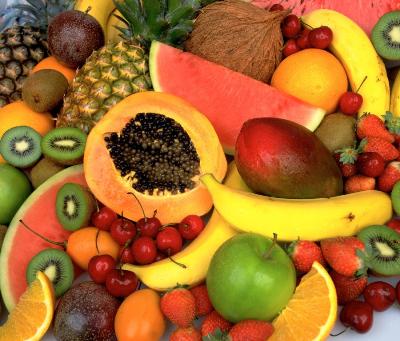
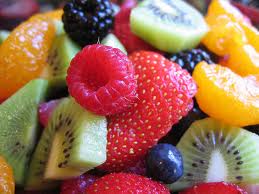
Today we get fruity with our guest Dr Sandy who is (amongst other things) the author of a book called Fruitful Nutrition. In this book and on this show, Dr Sandy reveals her beliefs that the human body is specifically and perfectly designed to eat fruit, fruit and nothing but the fruit. With scientifically valid reasons for believing this, it is hard not to warm to her gentle coercing and knowledgeable inklings but as always i ask you to read the information and decide for yourself what you think is right and good for you… yes YOU!

I have left Sandy to speak in her own words as she does it so wonderfully. It was a true joy to have her on the show with her fruitfully passionate chatter and so inspiring to bring her into our fantastic community radio station so that her voice and teachings could fly free across the airwaves and land in various gardens and hearts around the Shire.I hope some seeds were planted and that thoughts and actions have grown from them.

From Sandy…

Fruit – The Optimal Human Food – by Dr. Sandra Tuszynska

Fruits are a forbidden food in our society. We have been conditioned to look at fruit as a treat or a sugar filled desert, not necessarily good for us when eaten in “excess”. There are many myths and fears associated with eating fruits such as “too much fruit sugar is not good for children and diabetics” and “fruit sugar and citrus acid is bad for your teeth”. These unsubstantiated myths are the primary reasons responsible for our health problems. We are designed for fruit consumption and fruits should be the staple food in our diet. Only by consuming fruits as our primary source of nutrients can we attain optimum health and overall wellbeing.

Our colour vision, memory, ability to climb trees, grasp and peel fruit and our natural sweet tooth are just the obvious biological adaptations to fruit consumption. Our digestive physiology and anatomy are almost identical to that of other anthropoid primates such as the chimpanzee, orangutan and the gorilla. These animals are frugivores, they eat primarily fruits and leaves. Taxonomically we belong to the great ape family called Hominidea. All of the other members of our family eat very similar diets except for us. They are on average five times stronger than we are. Our relatives in the wild do not share our diseases and live 7 times their age of maturity compared to only 4 times of the average human. We have cut down our lifespan by half largely due to the dietary choices, which we have been conditioned into over the last few hundred years. We have moved so far away from the diet of fruits and leaves, for which we are designed, that we suffer malnutrition and disease as a result.

Fruits are the only foods which perfectly satisfy our caloric requirements. Unlike other foods, they provide our bodies with a fuel mixture which is required for optimal wellbeing. Just like a racing car requires a particular ratio of fuel constituents, our food needs to contain the most optimal proportions of fuel providing nutrients. The nutrients which provide us with calories include carbohydrates, proteins and fats. These have to be converted into glucose to be used as fuel. The easier it is to derive glucose out of our diet the more energy we gain. Our body requires glucose to feed all of its cells. Brain, nerve and muscle cells are especially hungry for glucose. At least 80% of our calories should come from simple carbohydrates to optimally fuel our cells. On average around 90% of fruit calories are in the form of fructose and glucose. This provides us with an instant supply of energy that is efficiently delivered to our cells.

Fruits provide us with just the right amount of essential fatty acids and amino acids. The soluble fibre present in fruits is essential for our digestive system, it supplies oxygen and roughage to eliminate waste. The abundant vitamins and minerals present in fruits are essential for optimal wellbeing. While most animals produce their own vitamin C, those animals adapted to eating fruits do not synthesise this vital nutrients which is easily obtained from their natural diet. We also rely on fruits for our vitamin C supplies. When we lack this essential vitamin our immune system is prone to malfunction. Colds and flues are an accepted part of life in our society, but are something very unnatural and unnecessary – a signal of malnutrition, a fruit deficiency.

The nutritional information we are constantly bombarded with is based on half truths and propaganda in the name of profit. My mission is to educate others that there are human foods that we are designed for and that once we decide to respect our biological requirements, our health and wellbeing take on a whole new level. In my book called Fruitful Nutrition, http://www.fruitfulnutrition.com/, I have presented what I believe to be the most important of nutritional information.

Fruitful Nutrition is a scientific analysis of our nutritional requirements, written in a language we can all relate to. It is based on the principles of human evolution, biology, anatomy, physiology as well as psychology to illustrate our dietary needs. Like all animals we are adapted to a specific diet and we are the only species that does not respect this natural law and thus suffer dis-ease.

The principles of food combining, enzyme nutrition, fasting, our fuel requirements and the link between food and emotions are some of the topics, so seldom discussed in other nutritional books. This knowledge has transformed my life and the life of many readers. I believe that this book has the potential to revolutionise our health and the health of the planet.

For more information or to order a copy of Fruitful Nutrition please go to http://www.fruitfulnutrition.com/, or email me at fruitfulnutrition@gmail.com.


Fruitful Future

I would like to share my vision of where I see humanity is going. I believe we are heading for that Garden of Eden, utopian paradise scenario. I believe that once the majority of people start embracing our natural frugivorous nature, consuming fruit as our main source of nutrients, the world will become a peaceful paradise here on Earth. Fruits are produced by trees for our consumption, they are the most compassionate of foods, creating the least harm possible.

I see that as more and more people begin to eat fruits as the staple food many of today’s problems will be solved. For this to occur we need to be planting our own trees, in our yards, on the sidewalks and anywhere there is space, where a food producing tree can grow. In this way we will annihilate the need to drive to the supermarket and rely on an external supply of food.

We are the only species on earth that has created a system where we have to work all of our lives to be fed and sheltered. I find this very disturbing. Mother Earth feeds all of her children, yet we have given that birth given right away to profit makers. I am determined to change that.

Growing our own food trees will encourage us to share and swap produce with one another, creating social interaction and a strong sense of communities.

As we become properly nourished we naturally get in touch with our emotions, healing ourselves and the society into peace, love and harmony. Hungry and homeless people will be able to feed from the street. Hopefully, the third world nations will follow in our footsteps and re-embrace the path of simplicity. Right now they are obsessed with material wealth, wishing to experience consumerism just like we do. However, there are simply not enough resources for the third world citizens to live the way we do. We need to be ready to, to become a leading example for others, and be the change we wish to see.

We can solve many of the environmental problems by growing fruit trees which provide food and shelter for wildlife and encourage biodiversity. Trees also create rain and oxygen and are a carbon sink. They produce more calories in the space they take up than any other food. They are the only sustainable human food source. We can avoid monoculture practices such as grain production by growing a varieties of fruit trees.

Farming will no longer be required as there will be no demand for grains, meat and dairy. This will free up lots of land to accommodate people. It will lessen or annihilate the need for fossil fuels, pesticides and artificial fertilisers which are oil based, reducing pollution and exploitation of our environment.

We need to establish a deep connection with our food. The only way to achieve this is to have an interpersonal relationship with the plants that provides us with nourishment. There needs to be a level of communication, love and respect between us and the beings which feed us.

Imagine a world with no wars, conflict, fear, disease, competition or money. Imagine if we could all do exactly what we wish to do, develop different skills, teach one another, play in groups, and love and support one another. Imagine that we are all family and friends, living in trust and harmony, that we are a giving, peaceful society living in abundance.

It is up to each and one of us to make the choices which will be fruitful for humanity as a whole. We are living in very powerful times, we are powerful beings capable of achieving anything we desire. It is time to think about ourselves as the missing link in the web of life. It is time to acknowledge our Mother Earth, heal ourselves in order to heal her so she can continue to support this precious human life and all other life forms forever more. So I ask all of you to plant a fruit tree or a seed today so this fruitful scenario starts becoming our reality.

I’d like to thank Sandy for coming on the show and if you or anyone you know feels you have something important to share with the rest of the community then please don’t hesitate to contact us here on the belly website or at the beautiful Bayfm on     02 66 807 999.

Alofa,

Sister Rasela

bellysisters at the farmers market

hi, if you’d like to chat to a live bellysister, sister T will be collecting subscriptions with a lot of other bayfmrs at tomorrow’s Byron Bay farmers market  – you can have a live fresh report with each subscription (not singing the watermelon song though).  And sister Rasela is  there talking good rrrraw foods.  Other bayfmrs will be at most of the local weekend markets and farmers markets until the end of the month.

So get thee to a market, bellysister!

16 August 2010 – e-books,love and polenta

A pretty crazy show on day one of our major subscriber drive aka radiothon.  Sister T was answering phones for the previous show, Andrew Davie’s luscious Lighthouse Lounge, chatting up subscribers, and she ain’t a morning girl (why do you think we’re sponsored by a coffee company?)  Sister B had been to the gim for the first time in a loooong time and looked like she had been run over by a cement mixer.  And our lovely guest, presenter Karin Kolbe from Bayfm’s ‘the spin cycle’, is learning to surf.

She had all the glory ot standing up and all the pain of a solid fall in a few short seconds, and turned up full of painkillers.  But also full of beans, great info on her and TOOT’s (Train on our Tracks) campaign to bring back train transport, which would also make our food more sustainable.  And on where e-publishing,  is going, as she is a publisher and ‘internetty person’.  We look forwards ot electronic cookbooks with a stack of extra features as soon as publishers and authors get more creative.  And she shared her favourite, tried and tested cake recipe, from a tattered exercise book – with alphabetical tabs though, obviously an organised woman.

POLENTA AND YOGHURT CAKE

Ingredients :

300 g. plain yoghurt

100 g. polenta

grated rind of 1 orange

125 g. softened,chopped unsalted butter

220 g. caster sugar

3 eggs

200 g. self raising flour

½ tsp bicarbonate of soda

85 g. chopped raisins

80 g pine nuts [or try macadamias in our area – n.d.sr.T]

citrus syrup :

1 lemon and 1 orange (preferably organic)

200 g. caster sugar

30 mL Cointreau (more is more, says Karin)

and cream to serve!

KK says that this cake is magic because first off you put the yoghurt and polenta and grated rind together to chat for an hour in a bowl.

Heat oven to 180C.

Toast nuts well in a little olive oil in a pan on low heat, it makes them come alive, but careful not to let them burn.

Cream butter and sugar until light and fluffy, then add the eggs one at a time, beating well. Sift together the flour and bicarbonate and fold gently into the butter mixture. Toss the raisins in a tbs of flour. Add yoghurt/polenta mix to batter, fold in nuts and raisins.

Butter and flour a 2 litre/21 cm kugelhopf (holey) cake mould. Pour in cake batter and cook 30-45 minutes, until a skewer comes out clean.

While the cake cooks, make the citrus syrup.

Make small threads of zest from the orange and lemon and juice them. Put all ingredients except Cointreau in a saucepan, bring to the boil, lower heat and reduce volume by half. Turn off heat and add Cointreau.

To assemble, turn cake onto a rack for 10 minutes, then slide onto a plate and and pour hot syrup on top. Serve with cream.

Don't you love those spattered old recipe collections? Instead of star ratings they have spatter & scribble ratings


WHAT’S ON

for farmer’s and weekend markets please go to our markets page, but here’s a couple of other local events:

Organic farm share meetings – remember the people from herdshare, who were in the news a while ago with their scheme to own a bit of a cow so you can have your own organic, maybe even raw, milk – now calling themselves farm share

info meetings

NORTHERN NSW

Murwillumbah – Mon Aug 16, 7pm to 8:30pm

South Golden Beach – Fri Aug 20, 1pm to 2:30pm

Broken Head – Fri Aug 20, 6pm to 7:30pm

more info on website – http://organicfarmshare.com

BARISTA COURSE
TUESDAY 17th OF AUGUST
4.00PM TO 7.00PM
$75
call the Byron Youth Service – 6685 7777

Thanks again to everyone who subscribed to Bayfm today – we are getting together a few tasty bits and pieces for a post radiothon draw for belly supporters, and anyone listening on the first show after radiothon.  Also while you call in, tell the volunteer answering the phone if you’d like to go on the belly listeners page that we are assembling, leave an email address and the sisters will get in touch.

To go in the big prize draw you need to call (02) 6680 7999 by the morning of 29 August 2010.

Details on bayfm site.


LOVE FOOD

whole and split nutmeg

In honour of the ‘love your radio’ fortnight we are talking love foods for 2 weeks – keeping it seasonal for the Australian winter, unlike the summery Valentine Day recipes – and we wanted to change a bit from the constant oysters, strawberries and chocolate that our lovers serve us up.  Did you know you can make sexy pumpkin soup?   Just add freshly grated nutmeg at the beginning of cooking.  Nutmeg was considered an aphrodisiac by the Arabs and the Chinese.  Apparently you can also rub nutmeg oil on the genitals to ‘excite sexual passion’, but you might just give yourself a nasty rash.  I put a few drops of mace (the covering of the nutmeg ) essential oil in the bath a few years ago and had to get out very quickly.


Byron Bay writers festival report, flatmates, Rob’s olives

A new bellysister joined Sister Tess for this belly show, the lovely Sister Robert.  Sister Rob came to Byron from Sydney for the 2010 Byron Writers Festival.  He went to several foodie events at the Festival, including a workshop by Vietnamese Australian chef Luke Nguyen and local writer Victoria Cosford’s launch of her first book, “Amore and Amaretti”.  As well as several non-food related events, just for balance.  Sisters T and R agree that the foodies were by far the most charming and best behaved people at the Writers Festival.  Victoria’s launch was packed and very lively, there were tears, wine and delicious food, and a heartfelt introduction by Joanna Savill. Joanna and Victoria studied Italian together in Canberra, and Joanna  first invited Victoria to join her in Bologna (and then tried unsuccessfully to stop Victoria from smiling back at the hordes of men who followed her around).  Victoria read delicious extracts from her book, we played a snippet from her visit to Enoteca Pinchiorri in Florence.  The audience was in pain, you could hear the sighs.  Luke Nguyen is a very charming man.  One chairperson’s researcher summed him up as “cook, Vietnam, good guy”.

In contrast, Brett Eason Ellis decided to be a very naughty boy at his first ever writers festival.  Ramona Koval from the ABC reminded us that she has 3 grandkids and she doesn’t believe in letting naughty boys play too many silly games.  It sounds like he was just after the Australian holiday.  And Gretel Pinniger aka Madam Lash made photographers happy by pretending to burn her biography, and looking ready to eat her biographer – not in a good way.  And various panellists were talking as usual about climate change, population and other environmental concerns, sounding desperate enough in the leadup to this Australian federal election to incite revolution. Or “a social tipping point”.  Or at least a vote for the Greens, or anyone game enough to whisper that we need to change from a growth model to a steady state one.  Look it up, to some of us belly sisters it sounds like the last chance to stop the veggie patch from going underwater.  Meantime, the sun shone on the whole festival and it was easy to revel in the beauty of the North Beach site and all the wonderful brain food.  There were even a few more panellists discussing their topics rather than just plugging their books, or we were just lucky to pick panels with good chairpeople.
Meantime, back in the kitchen, Luke’s cooking workshop was very interesting and hands on. It was great to find out that we can get most of the ingredients for Vietnamese food locally.  And who knew that soft shell crab is available frozen at the fish shop?  A few good tips :

Use a dusting of potato starch for deep frying for a light crunchy texture
Use a chopstick to check oil temperature (lots of bubbles=hot)
Less is more – food will keep cooking after you take it out
Buy the best, light, first press fish sauce you can find
Rice paper rolls – don’t leave them in water to soften, just a quick dip is enough
Don’t overfill
And – lots of herbs is barely enough!

Sister Rob did our first ever cookbook review, of Luke’s “The songs of Sapa”, even after hearing local writer Alan Close take to task reviewer Rosemarie Sorensen for a negative review 19 years ago!  Rob says he sometimes forgets to actually read recipe books rather than just focus on the recipes,
·    Luke’s book also offers insights into Vietnamese culture e.g his father’s story from fighting in the war.
·    The recipes are good although some ingredients may be hard to find.

Some of Luke Nguyen’s recipes are online, see here

Sister Tess did an interview with Luke and his partner/photographer, Susanna Boyd, and recorded several sessions of the festival, so listen up to belly for more – and remember our major subscriber drive/radiothon is starting, subscribe online here.  Most of us bring you great radio for free, but the gear and rent have to be paid, so please help if you can.  You can even nominate your favourite show (hint?)

Sister Rob was lucky enough to have a mother who was a skilful and enthusiastic cook.  He was asked to bring his favourite cookbook on belly, and he turned up with a very well used (trashed!)
scrapbook of recipes, the oldest were handwritten 70s gems from his mum (aww).  Like many of us, Sisters T and R both discovered that not everybody knows what good food tastes like, let alone how it is made, when they had…..(horror music)…. flatmates!   A chance to share war stories : Rob’s most memorable was hearing a squeak, opening the crumb tray under the toaster and finding a dead mouse.  Sister T’s was the special occasion roast chook a flatmete splurged on – but she didn’t know that you take the chicken out of the plastic bag before you put it in the oven.  We’d love to share your best stories on air if you comment on this post, or email us
belly@belly.net.au

Rob also made the best ever pickled olives – yes starting from raw olives – get in touch if you know where to get some in the Northern Rivers.

SISTER ROBERT’S HOME PICKLED OLIVES

On a recent visit to sister R, sister T had the pleasure of tasting the best home pickled olives ever.  Sister R has helped friends harvest olives both out in the country and in central Sydney, of all places, so he’s learned how to get them from bitter little fruits to delicious, long lasting snacks.  This is a traditional home skill of Australians of Mediterranean descent, but somehow very Anglo sister Rob does a better job!  He also focused on methods that use the mildest possible ingredients to remove the olive bitterness.  And if you want to just remove excessive saltyness from shop-bought olives, or just improve their taste and keep them longer, jump straight to the oil steps.

“Well there are many, many methods for pickling olives but here I give the two methods that have worked well for me loosely based on my friend Paul’s [see buthkuddeh link below] method:


Method 1
– Good for green and for black firm olives

1.2. Give each olive a small slit with a sharp knife or bash with the bottom of a bottle to break the skin only
2. Soak olives in plain water changing the water fully each day.  You need to do this long enough for the strong acid flavour to leach out. Taste an olive and see how bitter it is. Think about an olive you have liked and what degree of bitterness or otherwise it had. When the olives taste ok move to the next stage.
3.  Prepare brine solution by placing a fresh egg into a bucket with water and keep adding salt and stirring it in slowly until the egg floats to the surface and shows a circle of shell about the size of a five cent coin.
4. Soak the olives in the brine until the olives taste salty enough for you. Don’t change the brine solution until you are happy with the level of saltiness of the olive. Give the olives a bit of a tumble each day.  Do not forget them in the brine otherwise they will undergo cellular collapse and go soft.
5. When they are ready for bottling, drain them and wash them to get excess brine off.
6. Sterilise some old bottles or preserving jars. Pop the olives in. As you do you can add whatever flavourings you like – thinly sliced garlic is always welcome, as is crushed dried oregano, or a split red chilli, , Sage and thyme go well, peppercorns too.   Fill the jar with a good quality olive oil. Don’t fill it with brine like I did once as the olives will have that cellular collapse you don’t want. Leave them in the pickling oil for at least 3 -4 weeks before eating.

Method 2 – To end up with dry salted black olives only

1.Again, start with nice firm olives, but make these ones also nice and plump.
2. Get a white plastic bucket with tight fitting lid and make holes in the bottom and the lid.
3. Put a layer of salt on the bottom of the box.  Toss the olives on top – don’t slit them.  Cover with another thick layer of salt and repeat the process.
6.Leave untouched for three or four days. Then, each day, mix the olives and salt together by turning the bucket over.
7. What should happen is that the salt will get wetter and go a nice mauve colour as it drains the moisture out of the olive.
8. As the moisture drains out, and put some new salt in and mix it with the olives.
9. When the olives have shriveled up and are nice and salty (check those olives!), take them out of the salt, wash them, dry them and store them in an airtight container in a little oil just coating the olives. You can at this stage put in some finely chopped garlic, crushed oregano, and maybe some chili flakes.
Websites for further research:
www.buthkuddeh.com.au (look for ‘olives’ under recipe link)
www.sbs.com.au/food (search on olives and Steve Manfredi)
www.abc.net.au (Gardening Australia factsheet on olives)

EDIBLE QUOTE

Today’s came from Luke Nguyen’s cookbook  The Songs of Sapa, which has lots of traditional Vietnames sayings and their meanings scattered among the recipes.

When drinking water, remember where it flowed from; when eating fruit, remember who planted the tree.

In life, always be thankful for how you got there, and remember who helped you get there.

26th July : Aphrodisiac Avocados, Reasons to ‘Swerve from a Big Serve’ and ‘Do You Kakadu?’

Sister Rasela in the Belly kitchen today bringing you the tastiest show on radio. On the menu today we’ll start with 

‘ The Pleasures of the Flesh’  Rumours of the Aphrodisiac Powers of the Avocado…

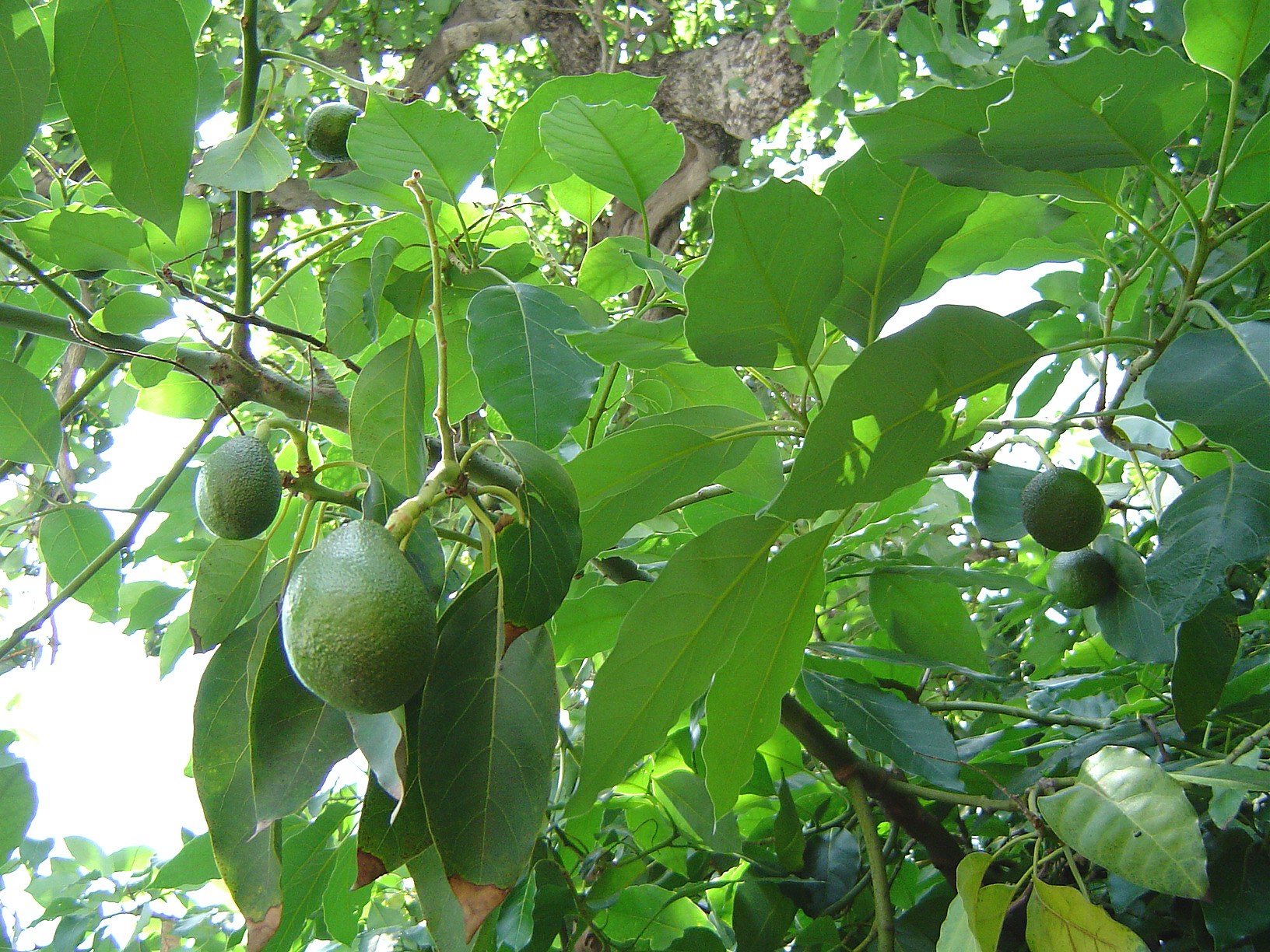
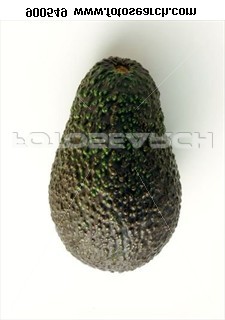
The Avocado has a ‘seedy’ and somewhat unexpected history. While many of us enjoy this delicious fruit in sandwiches and salads, you may be unaware that it has in fact been considered an aphrodisiac for centuries.

This notion probably started way back with the Aztecs, who were the first documented avocado eaters and who called the avocado tree ‘Ahuacatl’ which means testicle tree… something to do with the way the pear shaped fruit sometimes ‘dangle’ from the tree in pairs or perhaps their visual resemblence… i’ll let you decide.

In the 1920’s California growers enhanced the avocados sexy image in an advertising campaign in which they strenuosly denied the avocado was an aphrodisiac. The reverse phychology worked so well that this fabulous fruit has gone on to forge a fantastic career.

At the start ofg the 21st century the California Avocado Commission ran a Valentines Day survey on the Avocado’s libido enhancing properties. Six out of 10 nutritionalists, scientists and psychologists surveyed said they knew of cases where the avocado had improved a persons love life (we’re not sure what they actually did with the avocados…). The survey outcome can, however, be attributed as much to the fact that the fruit is high in nutrients such as fibre, folic acid, potassium, vitamin E and some B vitamins and lecithin as to any alleged properties.

Facts to nibble on –

  • Avocados are sodium  and cholesterol free
  • They contain only monounsaturated fats
  • Avocados were once a luxury food reserved for the tables of royalty, but thankfully we commoners are now able to share in their delights
  • In one year, a single avocado tree can absorb as much carbon as is produced by a car driven 26,000 miles!
  • Latin Americans wrap avocados up and give them as wedding gifts

… More to come about why you should  ‘Swerve from a BIG Serve’  while our waistlines and dinner plates are growing in size and temptation and the huge effects overeating has on your health. Relflux, Acid Indigestion and Heartburn are all things that could you live without if only you knew how. Explanations and Nutritional advice galore.

And finally… Do You Kakadu? Our lovely guest Anna Parker came in to talk about the ‘new’ 40,000 year old indigenous Bush Foods that are a part of the ingredients in this Super Food that is buzzing around town in the belly’s of the lucky ones.

food labelling review

food labelling review

The Council of Australian Governments and the Australia and New Zealand Food Regulation Ministerial Council are undertaking a comprehensive review of food labelling law and policy.  They are looking at a lot of issues, from confusing country of origin labelling, to health claims on labels, health warnings, disclosure of ingredients of concern to customers, such as genetically modified components, legibility, enforcement of rules.  Pretty much anything to do with food labelling.
Public consultation has just started, and will be open until the 14th of May for written comments. There are also some public meetings in capital cities.

This is the official site of the review, with a lot of information about what they are considering and contact details.

Please leave a comment with your opinion on anything to do with this topic, if you wish we will forward them to the people making decisions by the May 2010 deadline, or post it to this page, or discuss it on air – up to you.

UPDATE – this is a media release sent to bayfm on May 21,2010, on a related topic

Food Allergy Awareness is everybody’s business
The NSW Food Authority has thrown its support behind Food Allergy Awareness Week, 16-22 May, in an effort to remind consumers and industry of the importance of understanding the role of food labels in protecting against allergic reaction.
NSW Food Authority CEO Mr Alan Coutts said the State Government’s food safety body works tirelessly in an effort to protect the consumers of NSW.
“The NSW Food Authority has an important role in trying to make sure food labels comply with national standards so consumers can safely choose products that will not impact their health,” Mr Coutts said.
“Knowledge is power and the consumers of NSW have every right to make their food choices safe in the knowledge they are labelled truthfully and correctly.
“The Food Act and Food Standards Code also requires all food businesses in NSW, including cafes and restaurants, to provide information about the ingredients contained in their food.”
Food businesses are required to display information about allergens next to food provided for sale or provide information about food allergens contained in food if requested by a customer.
“While many people are aware of food allergies, they may not have an understanding of just how devastating and far reaching the impact of food allergies can be,” Mr Coutts said.
“Allergic reactions can range from mild to extreme, and in the worst instance can lead to death. It is vital for people living with food allergies to be able to rely on food labels to accurately assess the risk.”
There are eight food groups that account for up to 90 per cent of all allergic reactions to food, these include:
•       Peanuts and peanut products
•       Tree nuts and tree nut products
•       Egg and egg products
•       Milk and milk products
•       Fish and fish products
•       Crustacea and their products
•       Sesame seeds and their products
•       Soybeans and their products
Mr Coutts said NSW food businesses needed to understand that mislabelling of food would not be tolerated.

“Just last month the NSW Food Authority fined a company almost $10,000 for falsely labelling food that contained peanuts,” Mr Coutts said.
“The law requires the main eight food allergens be declared on the food label and we will continue to enforce that requirement.”
Anyone with a concern about food labelling is urged to contact the NSW Food Authority Helpline on 1300 552 406.
Media contact: Rebecca Bowman 0400 400 859

belly 8.3.10 – glitter’s glorious grains and cooking with pisces

TOPICS : food labelling laws, tuna, website launch, quinoa, millet and buckwheat, autumn foods, cooking with the stars for pisces

GUESTS: Glitter Girl, bayfm presenter, poet and grain lover
Lilith, astrogourmet and hula dancer

PRESENTERS : Sister B and sister T

GUEST RECIPES:

MILLET AND MUSHROOM BAKE adapted by sister Glitter from: Food for the Seasons : Eat well and stay healthy the traditional Chinese way, by Professor Lun Wong and Kath Knapsey

Serves 4

Like all the grains, millet is fine for any season.  But it is particularly good for autumn as it gets rid of heat (that maybe a summer leftover), moistens dryness(the most  common autumn problem) and supports yin and kidneys for the upcoming winter.  Mushrooms ease coughs and get rid of phlegm as well as strengthening the lungs.  If you have a great deal of phlegm, swap the millet for rice.

3 cups millet
pinch of salt
1 tablespoon of olive oil/ or avocado oil
1/2 cup of flour (unrefined) can be millet, rice, buckwheat
1/2 onion, chopped
200 gm mushrooms, sliced
3 tablespoons tamari
bunch parsley

Soak millet in water overnight.  Drain.  Add millet, fresh water (8 cups) and salt to a pot and bring to a boil.  Reduce heat and simmer for 35 minutes.

While you prepare other ingredients, preheat the oven to 180 degrees.  Place millet in an oiled casserole dish.  In a frying pan, saute onions and mushrooms
until soft.  Then add flour, and stir in with the mushrooms and onions, before adding 1 1/2 cups of water.  Stirring continuously.  Bring almost to the boil, then
cover, reduce heat and simmer for five minutes.  Add tamari and simmer for a further ten minutes.  Pour contents of frying pan into the casserole dish and stir very lightly
with millet.  Bake for 20 minutes.  Cut into four slices, garnish with parsley and serve with lightly steamed spinach.

This could also  be accompanied with steamed carrots, pumpkin, and asparagus


BUCKWHEAT NUT LOAF
– a sister Glitter favourite from : The Australian and New Zealand Book of Wholemeals, by Marcea Weber

Serves 4-6

1 1/2 cups of buckwheat (roasted)
3 cups water
1/2 teaspoon of himalayan pink salt
2 cups sliced mushrooms
1 tbs minced ginger
2 teaspoons minced garlic
1 cup diced red onion
1/2 cup grated carrot
4 tablespoons of coconut oil/ avocado oil/ ricebran or olive oil (cold
pressed)
6 large cabbage leaves
1 cup roasted, ground almonds or walnuts
3 organic eggs, beaten
2 tbs miso (young)
1/2 teaspoon each thyme, basil, oregano (dried)
1/2 cup chopped parsley
3/4 cup of LSA (linseed sunflower and almond) or millet meal

Firstly bake buckwheat kernels in 200 degree C preheated oven until lightly
browned.
Then bring 3 cups of water to the boil.  Add buckwheat, salt, cover and lower
heat, simmer 15 minutes.  Meanwhile, cut the rest of the vegetables.  Heat the 2
tablespoons of chosen oil and saute mushrooms for 5 minutes.  Remove from skillet or wok, set aside and add the 2 remaining tablespoons of oil to wok.  Saute the rest of the vegetables in order listed above.  Cover and simmer for 5 minutes.

Now, bring a pot of salted water to the boil.  Add cabbage and blanch 1-2
minutes.  Drain and rinse under cold water.
Preheat oven to 190 degrees
Roast and grind nuts.
Oil bread tin.  Line tin with cabbage leaves, covering the bottom and sides.  Leave enough overhang to fold over and cover the top.

Combine half the buckwheat with the cooked vegetables and the roasted nuts.
Beat eggs and miso, combine with buckwheat mixture and add the rest of the ingredients.
Spoon into cabbage-lined loaf tin (9 1/2 cm x 23 cm) ( 4 x 9 inch), press down firmly and fold overhanging leaves over the mixture.  Cover the pan with a double layer of oiled paper.
Reserve other half of buckwheat for another recipe ( e.g. stewed fruit and buckwheat )

Place the loaf pan in a baking dish and pour enough water into the
baking dish, so that it reaches halfway up the sides of the loaf pan.  Bake for 45-60 minutes or until firm to the touch.
Cool before slicing.

Serve with steamed spinach, bokchoy or kale and  steamed squash and sliced
avocado..

LILITH’S COOKING WITH THE STARS – PISCES

Fish live in water and water sign PISCES more than any other sign need
to keep their fluids up, they’re notoriously fond of liquid refreshments ­
they drink like fish, and are usually partial to liquid rituals around food:
dipping chilled grapes in dessert wine in a pool strewn with rose petals,
sipping exotic liqueurs beside a moonlit sea or eating mangoes in the bath:
undeniably the most appropriate setting.

As you’d imagine they favour sensuous slithery food: oysters, rice noodles, the sexy texture of melting brie, the  perfume of lusciously succulent, juicy fruits.  Mood is as important as food to a Pisces. They need a feel-good ambience because romantic Pisces likes to feel the luuurve in the cooking,to eat with loved ones and yes, you can open that wine now.

Famous fish foodies include the exuberant “Dances with Saucepans” Ainsley
Harriott of the BBC cooking show More Nosh, Less Dosh among many others –
posh Swiss chef Anton Mossimann who runs his own exclusive private dining
club in London – and the photogenic Hell’s Kitchen gourmet spunk
Jean-Christophe Novelli who became personal chef to the Rothschilds at the
age of 20.

Other well known Fish are Mrs. Beeton, the most famous
cookery writer in British history, and the notorious and formidable Fanny
Craddock.  Even though her only claim to culinary fame appears to be the creation of the prawn cocktail she was billed as the Queen Of The Kitchen, probably because she presented her TV shows in ballgowns, big jewels and mega-make up when nineteen-fifties housewifes all wore aprons. One of the pitfalls of being a fabulous Piscean is a constitutional vulnerability to substance abuse,and Fanny had a major amphetamine habit which made her so explosive and rude to her guests the BBC had to sack her.

And another Pisces foodie was Adelle Davis, the American health author who
pioneered the fledgling field of nutrition  during the mid-20th century,
advocated whole unprocessed foods , recommended dietary supplements to prevent disease and was an outspoken critic of food additives, but also published in 1961,
under the pen name  Jane Dunlap, a classic of psychedelic  literature
called Exploring Inner Space: Personal Experiences Under LSD.

Being the sea creatures they are, Pisces are ruled by Neptune and I’ve
chosen one of my personal favorite recipes for the healthy protein of their
totems

GRAVLAX SALMON ­ A Scandinavian recipe for  raw salmon cold-cured with salt,
sugar, pepper, dill and alcohol.  No cooking is required, but it does take
2-3 days to cure.

Ingredients:
1 fresh salmon, and it must be fresh
3 tablespoons salt
2 tablespoons sugar
1 teaspoon freshly ground black pepper
1 good-size bunch dill, roughly chopped, stems and all
1 tablespoon spirits: aquavit, lemon vodka, your choice..

Method:
Fillet the salmon, or have the fishmonger do it for you; it needn’t be
scaled, but leave skin on.

Lay both halves, skin side down, on a plate. Sprinkle with the salt, sugar
and pepper, spread with all of the dill, splash over all of the spirits.
Sandwich the fillets together, tail to tail, then wrap tightly in plastic
wrap.  Cover with another plate and weigh down with something heavy on top.
Refrigerate.

Open the package every 6-12 hours and baste, inside and out, with the
accumulated juices.  On the second or third day, when the flesh has lost its
translucence, remove skin and slice thinly on the bias, and serve as you
would smoked salmon – with rye bread or pumpernickel, potatoes and home made
mayo, anything really.

BY Lilith

EDIBLE QUOTE

we ran out of time to tell you our Pisces icon Mrs Beeton quote – we would have had to interrupt Lilith’s hula dance, unthinkable!

but just so good for international women’s day, so here it is:

“The rank which a people occupy in the grand scale may be measured by their way of taking their meals, as well as by their way of treating their women. The nation which knows how to dine has learnt the leading lesson of progress.”

CONTACTS:

http://www.greenpeace.org/australia/issues/overfishing/our-work/save-our-tuna
to find out more about the best brands of tinned tuna and sign the Greenpeace petition

http://www.foodlabellingreview.gov.au/internet/foodlabelling/publishing.nsf/Content/pubconsult
to contribute to the government review of all food labelling issues – submissions due by May 14 – or go to the food label review page of this site

[I have to close comments on this page as it is generating a ridiculous amount of comment spam]

belly 1 march 2010 – autumn harvest

TOPICS: autumn fruit and vegetables, cooler weather salads, salad dressings, setting up as a  small food producer, danger dogs, grapes

PRESENTERS:   sister T & sister Bernadette of the miraculous muscatel

GUEST : Amanda Bannatyne, salad queen and proprietor of Mullumbimby Magic Foods

SISTER RASELA’S MORSELS

This weeks morsels  highlighted the DANGER of the DOG!!!… the hot dog that is.. and all other nitrite and nitrate containing cured and processed meats.. and root veges due to commercial fertilizer use. Also the connection between these toxins, linked diseases, and fast foods.

GUEST RECIPES : from Amanda

WARM POTATO SALAD

Ingredients:

Firm potatoes (my favourite are kipfler)

Red onion

Capers

Handful of Italian parsley

Hard-boiled free-range eggs (optional)

DRESSING

Good quality mayonnaise (I like Norganic)

Mullumbimby Magic Classic Salad Dressing

(Mix enough salad dressing with mayo to make it the consistency of thick cream).

1.    Scrub potatoes (peel if really dirty) and simmer until tender. Drain and cool slightly.

2.    Place finely sliced red onion, chopped parsley and some capers in the bottom of your salad bowl.

3.    Mix together several spoons of mayo and a good slug of Mullumbimby Magic Classic Salad Dressing and add to bowl.

4.    Slice (or quarter) warm potato into bite-sized pieces. Add to bowl and gently toss through dressing.

5.    Dice a couple of eggs if that’s your thing, and fold through gently.

6.    Garnish with a little extra chopped parsley.

ROAST BEETROOT, FETA AND ROCKET SALAD

Ingredients:

*Bunch of baby beets or 2 medium beetroot (scrubbed and trimmed)

Juice of 1 lemon

Olive oil

Salt and pepper

Feta (cow or goat milk)

Rocket (washed and dried)

1.   Quarter beets (if large) and put in a small baking dish.

2.    Squeeze over lemon and drizzle with olive oil.

3.    Season and mix around.

4.    Roast 30-45 minutes or until tender. Cool.

5.    Place warm beetroot and any juices in salad bowl.

6.    Toss through a handful of rocket for each person and crumble over some fetta.

7.    Drizzle with a little more olive oil.

*The beetroot can be replaced by sweet roast pumpkin chunks if you wish.

SISTER T’S SERMON – ‘THE GLORY OF THE GRAPE’

Sister B of the miraculous muscatel, sister Amanda, dearly beloved listener, let us celebrate the glory of the grape.  Grapes tend to turn up in our shops all year, as they are grown in every Australian state and harvested from October in Northern Queensland to May in Tasmania, but the local harvest is from January to March mostly, so now is the time to enjoy them.  Grapes are an ancient fruit.  The main cultivated grape ancestor was a wild vine from the southern shores of the Caspian and the Black sea, vitis vinifera, it has been grown for food and drink since ancient times.  There are paintings of fat grapes on trellises in Egyptian tombs from 4 and a half thousand years ago.  The Romans loved the grape and took it around their empire.  One big use of grapes was as a sweetener, before our modern sugars became available, They were concentrated to different degrees as syrups.The Turks and Arabs still make grape syrups, called pekmez or dibs.  They might be worth searching out if you are a fan of the Italian vin cotto, which is also a concentrated grape juice, currently trendy and very expensive.  Of course a lot of preserves and mixed juices still use grape juice as a sweetener.  Sour verjuice is also ancient, made from unripe grapes and  popular before the mass production of vinegars.
There are native grapevines in every continent except Australia and Antartica, and they have been interbred over the centuries so that now there are more than 8000 varieties of grapes, but less than 100 are commercially important,and many are wine grapes.  Which are delicious usually, intense in flavour, just more work to eat.  Most of our table grapes now have fat seedless raisins.
If you would like to enjoy 2 great fruits of autumn go to the Apple and Grape Harvest Festival in Stanthorpe,  just west of most of us, north of Tenterfield in the granite belt winemaking region.  It’s on this friday, Saturday and sunday, with a  Gala Ball, Wine Fiesta, Grand Parade, Queensland Grape Crushing Championships,  Fireworks,  Multicultural Music Festival, markets, an apple peeling competition, fruit packing competition and  lantern parade.

Apple & Grape Harvest Festival – Home

Or just enjoy grapes while they are at their peak – on a cheese platter of course
on tarts, in fruit salads, but there are many interesting grape recipes.  You can make a layer of grapes in a baking dish, top them with mascarpone, panna cotta or creme caramel mix, set then caramelise sugar on top for a grape brulee.  Or make grape jam or a savoury sauce to use with pork.  Stephanie Alexander and Maggie Beer have lots of grape recipes, like sago cooked with red grape juice, a traditional Barossa German dish; white gazpacho, with almonds and white grapes; chicken stuffed with grapes, roasted and served with a sauce of the pan juices and more grapes; grape bread, and upside down grape cake.  Grapes go well with liver and liver pates.  You can also preserve grapes in spirit,pickle or candy them. Try Israeli grape soup or Armenian grape paste. Or just toss them into a salad, they are great with sharp flavoured leaves.
Thus endeth sister T’s grape sermon.

* a lot of the historical information is from the wonderful (and huge) “The Oxford Companion to Food” Alan Davidson – ed

EDIBLE QUOTE:

One of the very nicest things about life is the way we must regularly stop whatever it is we are doing and devote our attention to eating.”
Luciano Pavarotti, My Own Story

CONTACTS:

www.belly.net.au – our new website, check it out

or email us on belly@belly.net.au

To get information if you are starting out as a local food producer, Amanda recommends:

Lois Kelly, Regional Coordinator, Northern Rivers Food

Regional Development Australia – Northern Rivers

Ph: +61 02 6622 4011      Mob: 0432 476 926        Fax: +61 02 6621 4609

Email: food@rdanorthernrivers.org.au

www.foodstandards.gov.au – for hygiene, packaging, etc.

www.mullumbimbymagicfoods.com.au – to contact Amanda

belly 15 february 2010 – great food markets and cooking with aquarians

TOPICS : the new Mullumbimbi farmers market, great food markets around the world, ‘cooking with the stars’, cooking styles and famous cooks of each star sign –  today aquarius

GUESTS:

Judy McDonald, world-wide marketologist and head wrangler at the North Byron Farmers Market

Lilith, belly astrogourmet and hula queen

A FEW OF OUR FAVOURITE OVERSEAS MARKETS:

* Hong Kong island food market
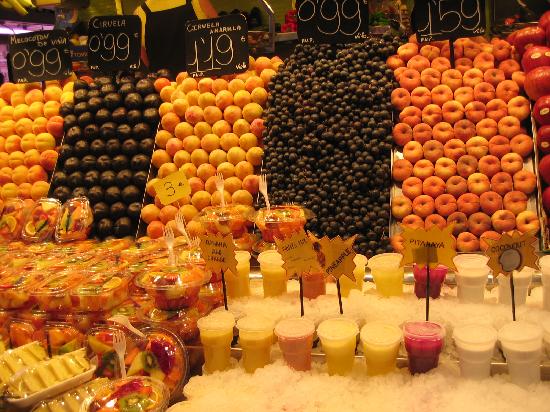
* Barcelona, both the large central market and smaller local ones
* in Paris, place Monge and boulevard Richard Lenoir/Bastille (this is a big favourite of both Sister T and Judy’s)
* in London, sister T likes the Borough market, Judy has checked out many more and recommends  :
Brick Lane
Ridley Road [last of on the original London barrow markets [Dalston]..very
Afro/Carribean
Stoke Newington Organic Market
Angel Islington Farmers Market -more inner London trendy
* there are so many more great markets around the world, we’d love to hear about your favourites, and what do you think about getting some covered market structures here?

GUEST RECIPE: an Aquarian-friendly suggestion from Lilith

– see more about Aquarians in the kitchen in the Cooking with the Stars section

“Obviously classic recipes are a yawn for Aquarians so keeping in mind their
love of the esoteric and obscure I’ve chosen a retro recipe from the Vogue
Autumn Collection of 1987 as a suitable surprise for an Aquarian birthday.”
Lilith

TOMATO ICECREAM  WITH  TOMATO COINTREAU SAUCE

Ingredients for Icecream:

4 medium tomatoes chopped
grated rind of 2 lemons, juice 1 lemon
4 egg yolks
3/4 cup sugar
1 cup milk, dash vanilla
300 mL thickened cream

Ingredients for Sauce:
6 tomatoes chopped, peeled, seeded
grated rind + juice of half lemon,
grated rind + juice of half orange
half cup sugar
generous Graham Kerr size slosh of Cointreau
sweet basil leaves to garnish

Method for Icecream:  Cook tomatoes till the consistency of thin jam and let
cool.  Puree the cooled mix, pass through a sieve, discard solids, add lemon
rind and juice, set aside.  Beat egg yolks and sugar together, add milk and
vanilla, cook over low heat till mix coats back of a spoon, let cool.  Then
combine the 2 mixtures together, add cream and freeze.

Method for Sauce:   Cook all ingredients except Cointreau to a thin jam.
Puree in blender, pass through sieve, discard solids, add Cointreau to
remainder and chill.

Serve a little sauce on each chilled dessert plate with tomato icecream in
the centre garnished with a sweet basil leaf.

EDIBLE QUOTE:

this week in honour of the year of the tiger, a Chinese proverb from about.com:
“Enjoy yourself.  It’s later than you think.”
AND A GOOD BOOK:

Look out for a book about the markets of Paris, with lots of recipes and an introduction by one of our featured Aquarians, the great chef Paul Bocuse (yes it is all connected, grasshopper)

Nicolle Aimee Meyer and Amanda Pilar Smith: Paris in  a Basket, Konemann 2000

“Above all, do not forget to give  a word of encouragement to the vendors when you find quality products.  They value your opinion and it helps them to keep their stand and forge ahead in their continuing fight against industrialized products.”  Paul Bocuse


WEBLINKS AND CONTACTS
:

belly@belly.net.au  – please get in touch

mullummarket@gmail.com This e-mail address is being protected from spambots. You need JavaScript enabled to view it     , or 0413 610 222 if you would like to be a stallholder or volunteer at the new Mullum farmers market

http://chocolateandzucchini.com/parismarkets.php – a great list of the Paris markets from a highly regarded blog

http://www.guardian.co.uk/travel/2008/nov/28/paris-markets-shopping-trips-france?page=all – article about a few of the markets including Richard Lenoir

http://gohongkong.about.com/od/photosofhongkong/ig/Hong-Kong-Food-Market/ –

some pics of Hong Kong markets, but to get the flavour read:

http://www.travelintelligence.com/travel-writing/food-markets-hong-kong

http//wwwtimeoutcom/london/shopping/features/1968/Londons_best_food_markets.html
– lots of London markets in this article, learn even more from the comments of other Londoners

http://www.transitionsabroad.com/listings/travel/travel_to_eat/slow_food_and_markets_in_barcelona.shtml – I want to go back!

http://www.grahamkerr.com/gk.php – a wonderful Aquarian – this is his site, lots of recipes

http://www.facebook.com/note.php?note_id=61716293699 – blue curacao caviar – you can’t get more Aquarian than this

http://www.alifewortheating.com/france/paul-bocuse/ – a blog entry that takes you through a meal at Paul Bocuse’s in technicolour, dish by dish – so when you get there you can keep the camera in your bag